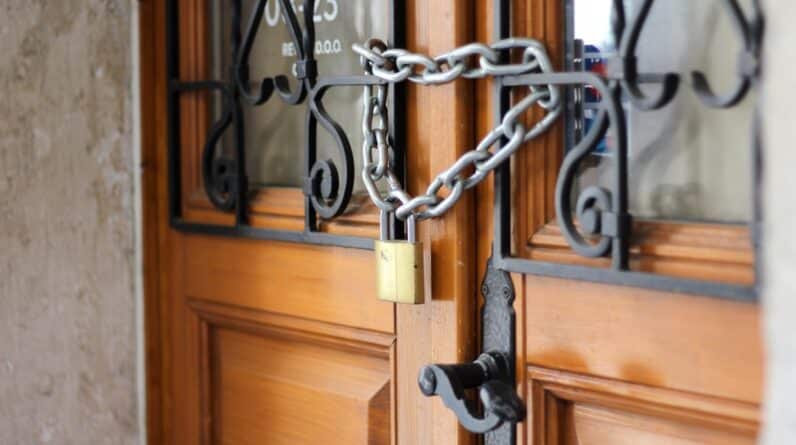
Home security maintenance is a crucial aspect of ensuring the safety and well-being of your household. You may often think of security as a one-time investment, but in reality, it requires ongoing attention and care. Just as you wouldn’t neglect your car’s maintenance, your home’s security systems also need regular check-ups to function optimally.
By prioritizing home security maintenance, you not only protect your property but also provide peace of mind for yourself and your loved ones. A well-maintained security system can deter potential intruders and reduce the risk of theft or vandalism. Moreover, the importance of home security maintenance extends beyond just physical safety.
It encompasses emotional well-being as well. Knowing that your home is secure allows you to relax and enjoy your space without the constant worry of potential threats. Regular maintenance can also help you identify vulnerabilities in your security setup, allowing you to address them before they become significant issues.
In a world where crime rates fluctuate, staying proactive about your home security can make all the difference in safeguarding your sanctuary.
Key Takeaways
- Regular home security maintenance is crucial for keeping your property and loved ones safe.
- Assess your current security measures to identify any weaknesses or areas for improvement.
- Update and test your alarm systems regularly to ensure they are functioning properly.
- Check and maintain surveillance cameras to ensure clear visibility and coverage of your property.
- Inspect and secure entry points such as doors and windows to prevent unauthorized access.
Assessing Current Security Measures
To effectively maintain your home security, the first step is to assess your current security measures. You should take a comprehensive inventory of all the systems and devices you have in place. This includes alarm systems, surveillance cameras, motion detectors, and any other security features you may have installed.
By understanding what you currently have, you can identify any gaps or weaknesses that need to be addressed. It’s essential to evaluate not just the presence of these systems but also their functionality and effectiveness. As you assess your security measures, consider how they align with your lifestyle and the specific risks associated with your neighborhood.
For instance, if you live in an area with a higher crime rate, you may need to enhance your security measures accordingly. Engaging in this evaluation process allows you to make informed decisions about what needs to be updated or replaced. Additionally, it can help you prioritize which areas require immediate attention and which can be addressed later, ensuring that your home remains a safe haven.
Updating and Testing Alarm Systems
Once you have assessed your current security measures, it’s time to focus on updating and testing your alarm systems. Alarm systems are often the first line of defense against intruders, so ensuring they are functioning correctly is paramount. You should regularly test your alarm system to confirm that it responds appropriately when triggered.
This includes checking the sensors, control panel, and any connected devices. If you notice any malfunctions or inconsistencies during testing, it’s crucial to address them immediately. In addition to testing, consider updating your alarm system to incorporate the latest technology.
Many modern systems offer features such as smartphone integration, remote monitoring, and real-time alerts. By upgrading to a more advanced system, you can enhance your home’s security significantly. Furthermore, keeping your alarm system updated ensures that it remains effective against evolving threats.
Regularly reviewing and updating your alarm system is an essential part of maintaining a secure home environment.
Checking and Maintaining Surveillance Cameras
Surveillance cameras play a vital role in deterring crime and providing evidence in case of an incident. To ensure they are functioning optimally, regular checks and maintenance are necessary. Start by inspecting each camera for any physical damage or obstructions that may hinder their view.
Dust and debris can accumulate over time, affecting image quality. Cleaning the lenses and ensuring that the cameras are positioned correctly will help maintain clear visibility. Additionally, it’s important to review the footage captured by your surveillance cameras periodically.
This not only helps you assess their effectiveness but also allows you to identify any unusual activity around your property. If you notice any blind spots or areas that are not adequately covered, consider repositioning or adding additional cameras to enhance your surveillance capabilities. By taking these steps, you can ensure that your surveillance system remains a reliable component of your home security strategy.
Inspecting and Securing Entry Points
Entry points are often the most vulnerable areas of your home when it comes to security. Therefore, inspecting and securing these points should be a top priority in your maintenance routine. Start by examining all doors and windows for any signs of wear or damage.
Ensure that locks are functioning properly and consider upgrading to deadbolts or smart locks for added security. You may also want to reinforce door frames and install strike plates to make forced entry more difficult. In addition to physical inspections, consider the visibility of entry points from the street or neighboring properties.
Overgrown bushes or poorly placed outdoor furniture can create hiding spots for potential intruders. By maintaining clear sightlines around entry points, you can deter criminal activity while also making it easier for neighbors or passersby to notice suspicious behavior. Taking these proactive measures will significantly enhance the security of your home.
Evaluating and Upgrading Lighting Systems
Effective lighting is a critical component of home security that is often overlooked. Evaluating and upgrading your lighting systems can greatly enhance safety around your property. Start by assessing the current lighting setup around entry points, pathways, and outdoor spaces.
Ensure that all areas are well-lit during nighttime hours to deter potential intruders from approaching your home unnoticed. Consider installing motion-activated lights in strategic locations around your property. These lights not only illuminate dark areas but also alert you to movement outside your home.
Additionally, using timers for indoor lights can create the illusion that someone is home even when you’re away, further deterring potential break-ins. By investing in effective lighting solutions, you can create a safer environment while enhancing the overall aesthetic appeal of your property.
Maintaining Landscaping for Security
Landscaping plays a significant role in home security that often goes unrecognized. Overgrown trees and shrubs can provide cover for intruders, making it easier for them to approach your home undetected. Therefore, maintaining your landscaping is an essential aspect of home security maintenance.
Regularly trim bushes and trees near windows and entry points to eliminate hiding spots for potential criminals. Incorporating thorny plants or dense hedges around vulnerable areas can also act as a natural deterrent against intruders. Additionally, consider using gravel or stone pathways instead of mulch or grass near entry points; gravel creates noise when stepped on, alerting you or neighbors to any unusual activity.
By being mindful of how landscaping affects security, you can create a safer environment while still enjoying the beauty of nature around your home.
Securing Windows and Doors
Windows and doors are primary access points for intruders, making their security paramount in protecting your home. Start by inspecting all windows and doors for any vulnerabilities such as weak locks or damaged frames. Upgrading to high-quality locks and reinforcing frames can significantly enhance their security.
Consider installing window locks that require a key or adding window bars for added protection. Additionally, don’t overlook the importance of window treatments in enhancing privacy and security. Using blinds or curtains can prevent outsiders from peering into your home and identifying valuable items inside.
You might also want to consider installing shatterproof glass or window film for added protection against break-ins. By taking these steps to secure windows and doors, you create formidable barriers against potential intruders.
Checking and Maintaining Fire Safety Equipment
While focusing on burglary prevention is essential, fire safety should not be neglected in your home security maintenance routine. Regularly checking and maintaining fire safety equipment is crucial for protecting both life and property. Start by inspecting smoke detectors and carbon monoxide detectors to ensure they are functioning correctly; replace batteries as needed and test them monthly.
In addition to detectors, ensure that fire extinguishers are easily accessible and fully charged. Familiarize yourself with their locations within the house so that everyone knows where to find them in case of an emergency. Consider creating an escape plan that includes designated meeting points outside the home in case of fire emergencies.
By prioritizing fire safety alongside burglary prevention, you create a comprehensive approach to securing your home.
Creating a Neighborhood Watch Program
Creating a neighborhood watch program can significantly enhance community safety while fostering relationships among neighbors. You may want to start by gathering interested residents in your area to discuss concerns about local crime rates and safety issues. Establishing regular meetings allows everyone to share information about suspicious activities or incidents they’ve observed.
In addition to fostering communication among neighbors, consider organizing community events focused on safety awareness and education. Workshops on home security tips or self-defense classes can empower residents while building camaraderie within the neighborhood. A strong neighborhood watch program not only deters crime but also creates a sense of belonging among residents who look out for one another.
Hiring a Professional Security Service
If you find that maintaining home security becomes overwhelming or if you desire an extra layer of protection, hiring a professional security service may be worth considering. Professional services offer expertise in assessing vulnerabilities within your property while providing tailored solutions based on individual needs. They can install advanced security systems that include monitoring services for added peace of mind.
Moreover, professional security services often provide 24/7 monitoring capabilities that allow for immediate response in case of emergencies or alarms being triggered at odd hours when you’re away from home. This level of vigilance can be invaluable in ensuring the safety of both your property and loved ones. By investing in professional services, you gain access to resources that enhance overall security while allowing you more time to focus on other aspects of life.
In conclusion, maintaining home security is an ongoing process that requires diligence and attention to detail across various aspects of your property. From assessing current measures to creating community programs, every step contributes significantly toward creating a safer environment for yourself and those around you.
When considering a Home Security Maintenance Plan in Chandler, AZ, it’s essential to understand the broader context of home security services. For instance, you might find valuable insights in our article about home security system services in Oakland, California, which discusses various maintenance strategies and their importance in ensuring the effectiveness of security systems. You can read more about it here: Home Security System Service in Oakland, California.
FAQs
What is a home security maintenance plan?
A home security maintenance plan is a schedule of regular checks and updates to ensure that all security systems and devices in a home are functioning properly and providing the highest level of protection.
Why is a home security maintenance plan important?
A home security maintenance plan is important because it helps to ensure that all security systems and devices are in good working condition, which is crucial for the safety and security of the home and its occupants.
What are some common components of a home security maintenance plan?
Common components of a home security maintenance plan may include regular testing of alarm systems, checking and replacing batteries in security devices, updating security software, and inspecting and maintaining surveillance cameras and motion sensors.
How often should a home security maintenance plan be carried out?
The frequency of a home security maintenance plan can vary depending on the specific security systems and devices in place, but it is generally recommended to conduct checks and updates at least once a year, if not more frequently.
Who should be responsible for implementing a home security maintenance plan?
The responsibility for implementing a home security maintenance plan typically falls on the homeowner, but professional security companies may also offer maintenance services as part of their security system packages.