In today’s world, the significance of home security cannot be overstated. You may often hear stories about break-ins and thefts, which can leave you feeling vulnerable and anxious about your own safety. A secure home not only protects your belongings but also provides peace of mind for you and your family.
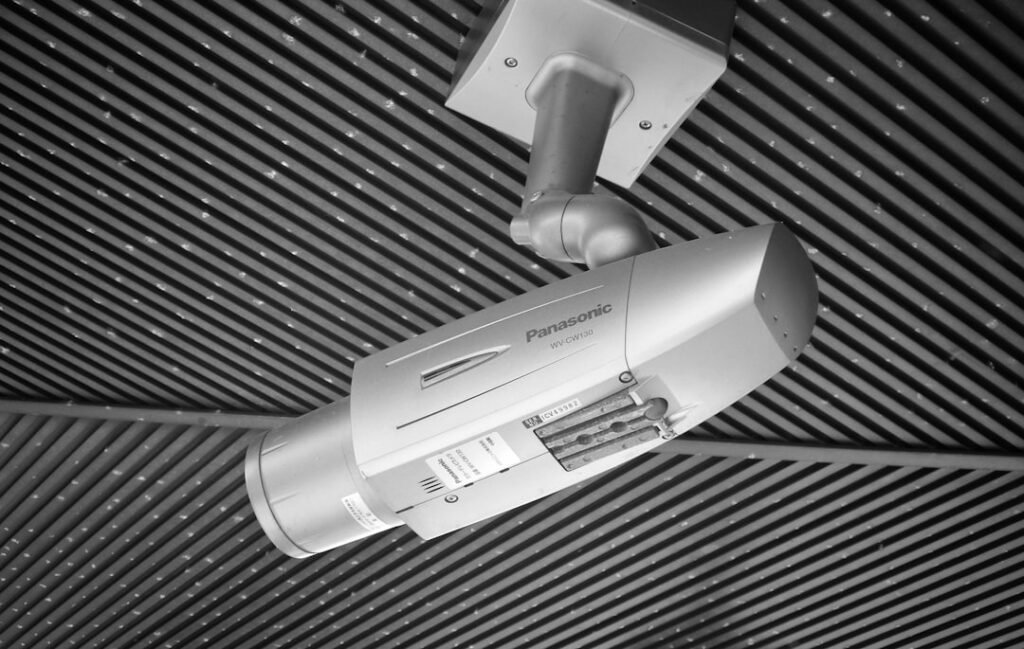
When you invest in a robust security system, you are taking proactive steps to safeguard your sanctuary, ensuring that your loved ones feel safe and secure within its walls. Moreover, a well-implemented home security system can deter potential intruders. Criminals often look for easy targets, and a visible alarm system or security cameras can make your home less appealing to them.
By enhancing your home’s security, you are not just protecting your property; you are also contributing to the overall safety of your neighborhood. When homes are secure, communities thrive, and the risk of crime diminishes. Thus, prioritizing home security is not just a personal choice; it is a communal responsibility that fosters a safer environment for everyone.
Key Takeaways
- Home security is crucial for protecting your family and belongings from potential threats.
- Alarm systems come in various types, including wired, wireless, and smart systems, each with its own set of features and benefits.
- When choosing an alarm system, consider features such as motion sensors, entry sensors, and remote access for monitoring and controlling the system.
- DIY installation may be cost-effective, but professional installation ensures proper setup and integration with other home security components.
- Monitoring options for alarm systems include self-monitoring, professional monitoring, and video surveillance, each offering different levels of security and convenience.
Types of Alarm Systems
Wired Alarm Systems
One of the most common types is the wired alarm system, which connects directly to your home’s electrical system. This type is often favored for its reliability and consistent power supply. However, installation can be more invasive, requiring drilling and extensive wiring throughout your home.
Wireless Alarm Systems
If you prefer a less intrusive option, wireless alarm systems might be more suitable for you. These systems use radio signals to communicate with sensors and control panels, making installation simpler and more flexible.
Monitored vs Unmonitored Alarm Systems
Another popular choice is the monitored alarm system, which connects to a central monitoring station that alerts authorities in case of an emergency. This option provides an added layer of security, as you can rest assured that help is just a call away. Alternatively, unmonitored systems rely on loud alarms to scare off intruders and alert you or your neighbors. While they may be less expensive upfront, they lack the immediate response that monitored systems offer. Understanding these different types of alarm systems will help you make an informed decision based on your specific security needs and lifestyle.
Features to Consider When Choosing an Alarm System
Selecting the right alarm system involves considering various features that can enhance your home’s security. One crucial feature is the type of sensors included in the system. Motion detectors, door/window sensors, and glass break sensors all play vital roles in detecting unauthorized access.
You should evaluate which areas of your home require the most protection and choose a system that offers comprehensive coverage. Another important aspect to consider is the user interface of the alarm system. A user-friendly control panel or mobile app can make it easier for you to manage your security settings and receive alerts.
Additionally, look for systems that offer remote access capabilities, allowing you to monitor your home from anywhere using your smartphone or tablet. This feature can be particularly beneficial when you are traveling or away from home for extended periods. By carefully assessing these features, you can select an alarm system that aligns with your lifestyle and security requirements.
DIY vs Professional Installation
When it comes to installing an alarm system, you may find yourself weighing the pros and cons of DIY versus professional installation. DIY installation can be appealing due to its cost-effectiveness and the satisfaction of setting up your own security system. Many modern alarm systems are designed with user-friendly instructions that allow you to install them without needing specialized skills.
This option gives you complete control over the placement of sensors and cameras, ensuring that they are positioned exactly where you want them. On the other hand, professional installation offers expertise and peace of mind. Trained technicians can assess your home’s layout and recommend optimal placements for sensors and cameras that you might overlook.
They can also ensure that the system is installed correctly and functioning properly from the start. While this option may come with a higher price tag, the assurance that comes with professional installation can be worth the investment, especially if you are not comfortable with technology or have a complex home layout.
Monitoring Options for Alarm Systems
Monitoring options are a critical component of any alarm system, as they determine how quickly help can be dispatched in case of an emergency. You typically have two main choices: self-monitoring or professional monitoring. Self-monitoring allows you to receive alerts directly on your smartphone or other devices when an alarm is triggered.
This option gives you immediate control over how to respond but requires you to be vigilant and available at all times. Professional monitoring services provide a more comprehensive solution by having trained personnel monitor your system 24/7. In the event of an alarm activation, they can quickly assess the situation and contact emergency services if necessary.
This option is particularly beneficial for those who travel frequently or have unpredictable schedules, as it ensures that someone is always watching over your home. Weighing these options carefully will help you choose a monitoring solution that fits your lifestyle and provides the level of security you desire.
Integrating Home Automation with Alarm Systems

The integration of home automation with alarm systems has revolutionized how you can manage your home’s security. Smart home technology allows you to connect various devices—such as lights, locks, and cameras—into a cohesive system that enhances both convenience and safety. For instance, imagine being able to remotely lock your doors or turn on outdoor lights when you’re away from home; this capability not only adds convenience but also acts as a deterrent against potential intruders.
Furthermore, many modern alarm systems offer compatibility with voice-activated assistants like Amazon Alexa or Google Assistant. This integration allows you to control your security system using simple voice commands, making it easier than ever to manage your home’s safety while multitasking or when your hands are full. By embracing home automation alongside your alarm system, you create a more responsive and efficient security environment tailored to your needs.
Common Mistakes to Avoid When Using Alarm Systems
While alarm systems are designed to enhance security, there are common mistakes that can undermine their effectiveness. One frequent error is failing to regularly update passwords or access codes for your system. If someone gains access to these credentials, they could potentially disable your alarm or bypass security measures altogether.
It’s essential to change passwords periodically and ensure that only trusted individuals have access to them. Another mistake is neglecting regular maintenance and testing of your alarm system. Just like any other technology, alarm systems require upkeep to function optimally.
You should routinely check batteries in wireless devices, test sensors for responsiveness, and ensure that cameras are capturing clear images. By staying proactive about maintenance, you can avoid potential failures during critical moments when security is paramount.
Tips for Maintaining and Testing Your Alarm System
To ensure that your alarm system remains effective over time, regular maintenance and testing are crucial practices you should adopt. Start by creating a maintenance schedule that includes checking batteries in sensors and cameras at least twice a year. This simple task can prevent unexpected failures when you need your system most.
Additionally, consider cleaning dust or debris from sensors and cameras to maintain their functionality. Testing your alarm system should also be part of your routine maintenance plan. You should conduct regular tests by triggering alarms and ensuring that notifications are sent correctly to both yourself and any monitoring service you use.
This practice not only confirms that everything is working as intended but also helps familiarize you with how the system responds in real-time situations. By committing to these maintenance tips, you can enhance the reliability of your alarm system and ensure that it continues to protect what matters most to you. In conclusion, investing in a comprehensive home security system is essential for safeguarding your property and loved ones in today’s world.
By understanding the various types of alarm systems available, considering key features during selection, weighing installation options, exploring monitoring choices, integrating automation technology, avoiding common pitfalls, and maintaining regular testing routines, you can create a secure environment tailored specifically to your needs. Your home should be a place of comfort and safety; taking these steps will help ensure it remains just that.
If you’re considering enhancing the safety of your home with an alarm system, you might find the article “How to Secure Your Home with a Modern Security System” particularly useful. It provides comprehensive insights into the latest technologies and strategies for home security, helping you make informed decisions about protecting your property. For more detailed information, you can read the full article here. This guide is an excellent resource for anyone looking to update their home security setup with modern solutions.
FAQs
What is a home security alarm system?
A home security alarm system is a network of integrated electronic devices designed to alert homeowners and authorities in the event of a security breach, such as a break-in or fire.
How does a home security alarm system work?
Home security alarm systems typically consist of sensors, control panels, and alarms. When a sensor detects a potential threat, it sends a signal to the control panel, which then triggers the alarm and may also alert a monitoring service or the homeowner directly.
What are the benefits of having a home security alarm system?
Some benefits of having a home security alarm system include deterring burglars, providing peace of mind, and potentially lowering homeowners’ insurance premiums.
What are the different types of home security alarm systems?
There are various types of home security alarm systems, including wired systems, wireless systems, monitored systems, and unmonitored systems. Each type has its own set of features and benefits.
How much does a home security alarm system cost?
The cost of a home security alarm system can vary depending on factors such as the type of system, the number of sensors and cameras, and whether professional installation is required. On average, homeowners can expect to pay anywhere from a few hundred to a few thousand dollars for a home security alarm system.
Are home security alarm systems worth it?
Many homeowners find that the peace of mind and added protection provided by a home security alarm system make it well worth the investment. Additionally, having a home security alarm system may also increase the resale value of a home.