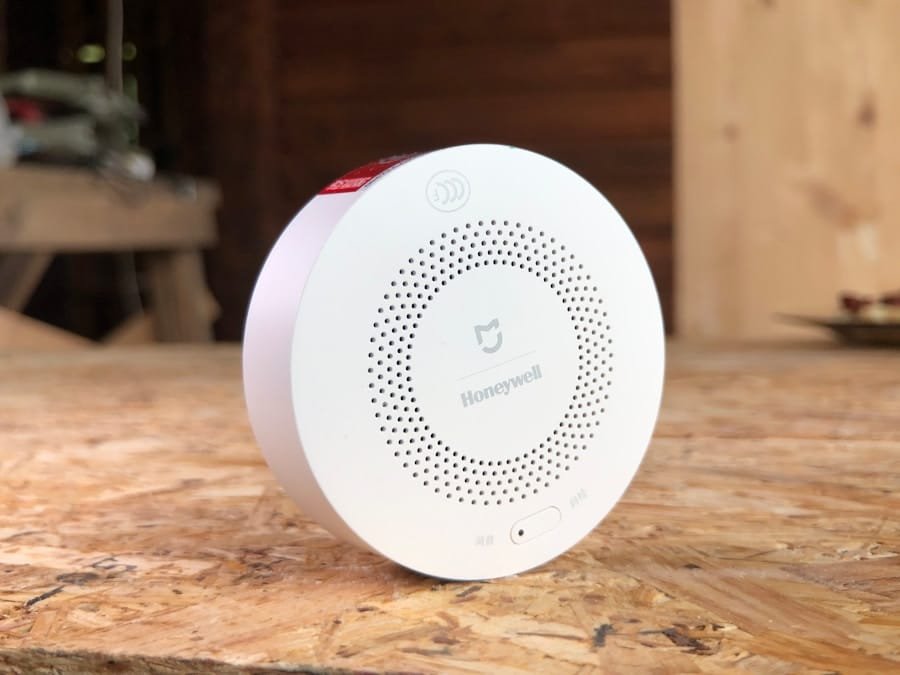
In an age where technology is rapidly evolving, the concept of home security has taken on a new dimension. You may have noticed that traditional security systems, which often require manual operation and constant monitoring, are being replaced by more intuitive solutions. Voice-controlled home security devices are at the forefront of this transformation, offering a seamless blend of convenience and safety.
These devices allow you to manage your home security through simple voice commands, making it easier than ever to keep your home safe and secure. Imagine walking into your home after a long day and simply saying, “Security on,” to activate your entire system. This level of ease is not just a luxury; it’s becoming a standard expectation for homeowners.
As you explore the world of voice-controlled home security, you’ll discover how these devices can enhance your lifestyle while providing peace of mind. With the integration of artificial intelligence and smart technology, these systems are designed to adapt to your needs, making them an essential component of modern home security.
Key Takeaways
- Voice-controlled home security devices offer convenience and ease of use for homeowners, allowing them to control their security systems with simple voice commands.
- The benefits of voice-controlled home security devices include hands-free operation, integration with smart home systems, and the ability to monitor and control the security of the home from anywhere.
- Popular voice-controlled home security devices on the market include Amazon Echo, Google Home, and Apple HomePod, all of which offer voice-activated security features and integration with other smart home devices.
- Voice-controlled home security devices work by using built-in microphones to listen for voice commands, which are then processed and executed by the device to control security features such as door locks, alarms, and cameras.
- When choosing a voice-controlled home security device, it’s important to consider factors such as compatibility with existing smart home systems, security features, and privacy concerns.
Benefits of Voice-controlled Home Security Devices
One of the most significant advantages of voice-controlled home security devices is their user-friendly nature. You no longer need to fumble with keypads or mobile apps when you arrive home with your hands full. Instead, you can simply issue a command, allowing for a smoother transition into your space.
This convenience is particularly beneficial for families with children or individuals with mobility challenges, as it eliminates barriers to accessing security features. Moreover, these devices often come equipped with advanced features that enhance their functionality. For instance, many voice-controlled systems can integrate with other smart home devices, allowing you to control lighting, thermostats, and even appliances through voice commands.
This interconnectedness not only simplifies your daily routines but also contributes to energy efficiency and overall home management. As you embrace this technology, you’ll find that it can significantly improve your quality of life while ensuring that your home remains secure.
Popular Voice-controlled Home Security Devices on the Market

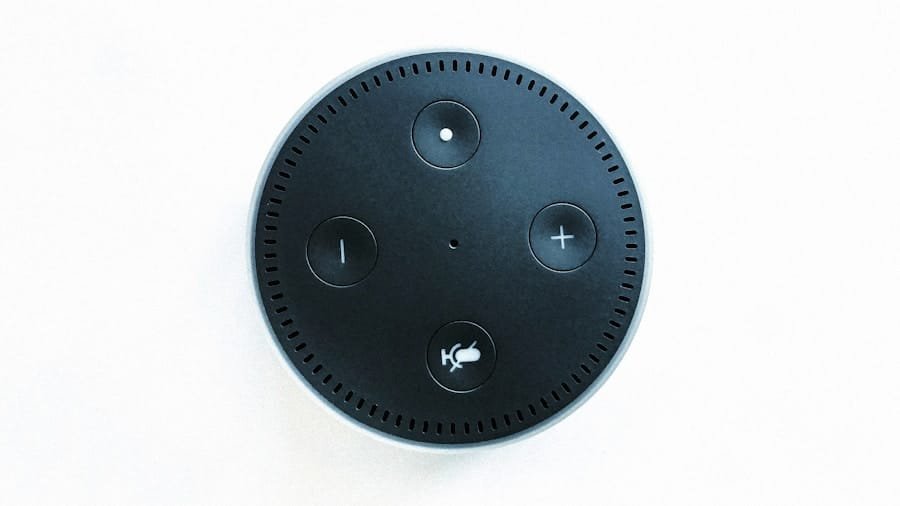
As you delve into the realm of voice-controlled home security devices, you’ll encounter a variety of options tailored to different needs and preferences. Some of the most popular devices include smart speakers like Amazon Echo and Google Nest Hub, which serve as central hubs for controlling various aspects of your home. These devices not only respond to voice commands but also integrate seamlessly with other security systems, such as cameras and alarms.
In addition to smart speakers, there are dedicated security systems like Ring and Arlo that offer voice control capabilities. These systems often include features such as video doorbells, motion sensors, and surveillance cameras that can be monitored and controlled through voice commands. As you explore these options, consider what features are most important to you—whether it’s real-time alerts, video monitoring, or integration with other smart devices—so you can choose a system that best fits your lifestyle.
How Voice-controlled Home Security Devices Work
Understanding how voice-controlled home security devices operate can help you appreciate their value even more. At the core of these systems is voice recognition technology, which allows the device to interpret and respond to your commands. When you speak a command, the device processes your voice using natural language processing algorithms, translating your words into actions.
This technology has advanced significantly in recent years, making it more accurate and responsive than ever before. Once your command is recognized, the device communicates with other components of your security system. For example, if you instruct your system to “lock the doors,” the device sends a signal to the smart locks installed on your doors.
This communication typically occurs over Wi-Fi or Bluetooth networks, ensuring that your commands are executed quickly and efficiently. As you become more familiar with how these systems work, you’ll likely find yourself relying on them for various tasks beyond just security.
Considerations for Choosing a Voice-controlled Home Security Device
When selecting a voice-controlled home security device, there are several factors to consider to ensure it meets your needs effectively. First and foremost, compatibility is crucial. You’ll want to ensure that the device you choose can integrate with your existing smart home ecosystem.
If you already have smart lights or thermostats, look for a security system that can communicate with those devices seamlessly. Another important consideration is the level of security offered by the device itself. Look for features such as encryption protocols and two-factor authentication to protect your data from potential breaches.
Additionally, consider the ease of use; a user-friendly interface will make it easier for all members of your household to engage with the system. By taking these factors into account, you can select a voice-controlled home security device that not only enhances your safety but also fits seamlessly into your lifestyle.
Integrating Voice-controlled Home Security Devices with Smart Home Systems
Convenience and Energy Savings
For instance, when you leave for work in the morning, you can issue a single command to activate your security system while simultaneously turning off lights and adjusting the thermostat. This level of integration not only enhances convenience but also contributes to energy savings.
Enhanced Safety and Automation
Many systems allow for automation based on specific triggers; for example, if a motion sensor detects movement outside your home while you’re away, it can automatically turn on outdoor lights and send an alert to your smartphone.
A More Responsive and Secure Living Space
As you embrace these capabilities, you’ll discover how interconnected devices can create a more responsive and secure living space.
Potential Drawbacks of Voice-controlled Home Security Devices
While voice-controlled home security devices offer numerous benefits, they are not without their drawbacks. One concern is privacy; as these devices are always listening for commands, there is potential for unauthorized access or data breaches. It’s essential to understand how your chosen device handles data and what measures are in place to protect your privacy.
Another potential drawback is reliance on internet connectivity. If your internet goes down or experiences disruptions, so too may your ability to control your security system via voice commands. While many devices have backup options or manual controls, this reliance on technology can be a concern for some users.
As you weigh the pros and cons of these systems, consider how comfortable you are with technology and whether alternative methods of securing your home are available should issues arise.
Future Trends in Voice-controlled Home Security Devices
Looking ahead, the future of voice-controlled home security devices appears promising as technology continues to advance. One trend gaining traction is the incorporation of artificial intelligence (AI) into these systems. AI can enhance voice recognition capabilities and improve the overall responsiveness of devices, making them even more intuitive and user-friendly.
Additionally, as smart home technology evolves, we can expect greater interoperability among devices from different manufacturers. This means that in the future, you may be able to control an even wider array of devices through a single voice command, creating a truly integrated smart home experience. As you consider investing in voice-controlled home security devices now or in the future, keep an eye on these trends to ensure that you’re choosing solutions that will remain relevant and effective in an ever-changing technological landscape.
In conclusion, voice-controlled home security devices represent a significant leap forward in how we approach safety and convenience in our homes. By understanding their benefits, functionality, and potential drawbacks, you can make informed decisions about integrating these technologies into your life. As you navigate this exciting landscape, remember that the ultimate goal is not just enhanced security but also improved quality of life through smarter living solutions.
If you are interested in enhancing your home safety beyond just voice-controlled devices, you may want to consider installing a security system. According to a recent article on Our Secure Home, having a security system in place can provide added peace of mind and protection for your family and belongings. In addition to voice-controlled devices, incorporating a security system into your home can further enhance your overall safety measures.
FAQs
What are voice-controlled home security devices?
Voice-controlled home security devices are electronic gadgets that can be controlled using voice commands. These devices are equipped with voice recognition technology that allows users to arm/disarm the security system, lock/unlock doors, and control other security features using their voice.
What types of home security devices can be voice-controlled?
Several home security devices can be voice-controlled, including smart locks, security cameras, doorbell cameras, and home security systems. These devices are designed to integrate with voice assistants such as Amazon Alexa, Google Assistant, and Apple HomeKit, allowing users to control them using voice commands.
How do voice-controlled home security devices work?
Voice-controlled home security devices work by connecting to a compatible voice assistant platform, such as Amazon Alexa or Google Assistant. Once connected, users can use voice commands to interact with the security devices, such as asking the smart lock to lock the door or asking the security camera to show live footage.
What are the benefits of using voice-controlled home security devices?
The benefits of using voice-controlled home security devices include convenience, hands-free operation, and seamless integration with other smart home devices. Voice control allows users to easily manage their home security system without having to physically interact with the devices, making it a convenient and user-friendly option.
Are there any limitations to using voice-controlled home security devices?
While voice-controlled home security devices offer convenience, there are some limitations to consider. These devices rely on a stable internet connection and may be susceptible to voice recognition errors in noisy environments. Additionally, users should be mindful of privacy and security concerns when using voice-controlled devices in their homes.