In an age where technology is rapidly evolving, home security devices have become an essential part of safeguarding your living space. From smart locks to surveillance cameras, these devices offer a sense of safety and peace of mind that many homeowners crave. You may find yourself considering the installation of these systems to protect your property and loved ones.
However, while the benefits of enhanced security are clear, it is crucial to understand the legal landscape surrounding these devices. As you explore the various options available, you might be intrigued by how these devices not only deter crime but also provide real-time monitoring and alerts. Smart home technology has made it easier than ever to keep an eye on your property, even when you are miles away.
Yet, with this convenience comes a host of legal considerations that you must navigate. Understanding the implications of using home security devices will empower you to make informed decisions that protect both your home and your rights.
Key Takeaways
- Home security devices are becoming increasingly popular for protecting homes and families.
- Privacy concerns and legal implications arise from the use of surveillance cameras and smart locks.
- Laws and regulations regarding surveillance cameras vary by location and it’s important to be aware of them.
- Legal issues with smart locks and access control systems can include liability for unauthorized access and data breaches.
- Homeowners should be aware of their legal responsibility and liability when using home security devices.
Privacy Concerns and Legal Implications
As you delve deeper into the world of home security devices, you may encounter significant privacy concerns. The very nature of surveillance cameras and monitoring systems raises questions about who is being watched and how that information is used. You might wonder whether your devices could inadvertently infringe on the privacy rights of your neighbors or visitors.
The potential for misuse of recorded footage or data can lead to uncomfortable situations, making it essential for you to be aware of the legal implications. Moreover, the balance between security and privacy is a delicate one. While you have the right to protect your home, you also have a responsibility to respect the privacy of others.
This duality can create a complex legal environment where your actions may be scrutinized. For instance, if your security camera captures footage of a neighbor’s property, you could find yourself in a legal gray area. Understanding these nuances will help you navigate the potential pitfalls associated with home security devices.
Laws and Regulations Regarding Surveillance Cameras
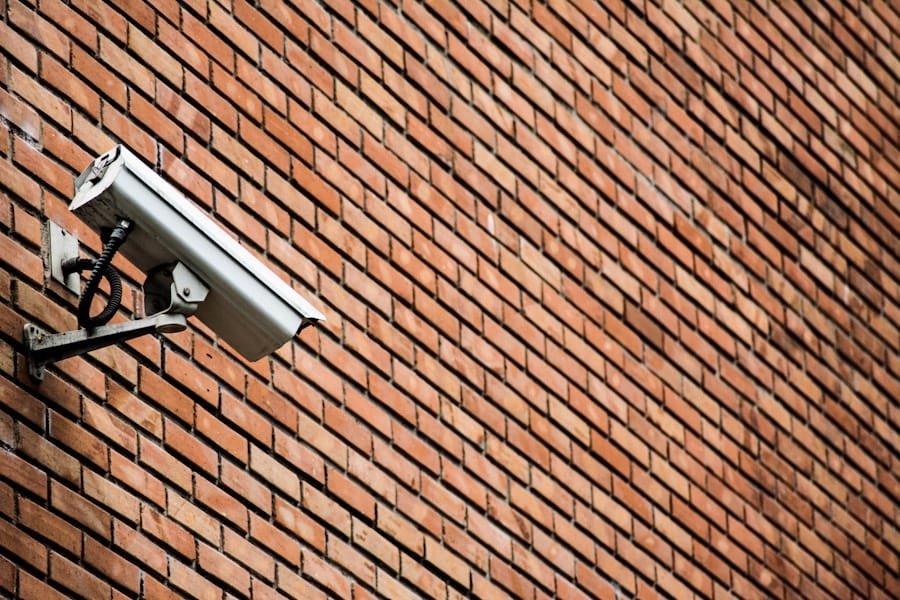
When it comes to surveillance cameras, various laws and regulations govern their use. As a homeowner, you need to familiarize yourself with these rules to ensure compliance and avoid legal repercussions. In many jurisdictions, it is legal to install cameras on your property as long as they do not infringe on the privacy of others.
However, you may need to consider local laws that dictate where cameras can be placed and what they can capture. For example, some states require that you notify individuals when they are being recorded, especially in areas where they have a reasonable expectation of privacy, such as backyards or inside homes. You might also need to consider whether your camera’s audio recording capabilities could violate wiretapping laws.
By understanding these regulations, you can make informed choices about where to place your cameras and how to use them responsibly.
Legal Issues with Smart Locks and Access Control Systems
Smart locks and access control systems offer convenience and enhanced security for your home. However, they also come with their own set of legal challenges that you should be aware of. As you consider installing these devices, think about how they may impact your liability in case of a break-in or unauthorized access.
If a smart lock fails or is hacked, you could be held responsible for any resulting damages or losses. Additionally, the use of smart locks raises questions about data privacy and ownership. When you grant access to family members or guests, you may inadvertently share sensitive information about your home’s security system.
Understanding the terms and conditions associated with these devices is crucial for protecting yourself legally. You should also consider how to manage access rights effectively to minimize potential risks.
Liability and Legal Responsibility for Home Security Devices
Liability is a significant concern when it comes to home security devices. As a homeowner, you may wonder what happens if your security system fails to prevent a crime or if someone is injured while on your property due to a malfunctioning device. In such cases, you could be held legally responsible for any damages incurred.
This reality underscores the importance of maintaining your security systems and ensuring they are functioning correctly. Moreover, if you choose to hire a professional monitoring service, you may need to consider their liability as well. If they fail to respond promptly to an alert or provide inadequate service, you might find yourself in a complicated legal situation.
It’s essential to review contracts carefully and understand the extent of liability coverage provided by these services. By being proactive in understanding your responsibilities, you can better protect yourself from potential legal issues.
Data Protection and Cybersecurity Laws

In our increasingly digital world, data protection and cybersecurity laws play a crucial role in the realm of home security devices. As you install smart cameras or locks that connect to the internet, you must be aware of how your data is collected, stored, and used. Many jurisdictions have enacted laws that require companies to implement robust data protection measures to safeguard consumer information.
You should also consider how breaches in cybersecurity could impact your home security system. If hackers gain access to your smart lock or surveillance camera feed, they could compromise your safety and privacy. Familiarizing yourself with relevant cybersecurity laws will help you understand what protections are in place and what steps you can take to secure your devices against potential threats.
Legal Considerations for Home Security Monitoring Services
If you’re contemplating hiring a home security monitoring service, there are several legal considerations that warrant your attention. First and foremost, you’ll want to ensure that the service provider complies with all applicable laws and regulations regarding surveillance and data protection. This includes understanding how they handle your personal information and what measures they take to protect it from unauthorized access.
Additionally, it’s essential to review the terms of service carefully before signing any contracts. Pay close attention to clauses related to liability, cancellation policies, and service guarantees. You may also want to inquire about their response protocols in case of an emergency or breach.
By doing your due diligence in selecting a monitoring service, you can mitigate potential legal risks while enhancing your home’s security.
Navigating the Legal Landscape of Home Security Devices
As you navigate the complex world of home security devices, it’s vital to remain informed about the legal landscape that surrounds them. From understanding privacy concerns to recognizing liability issues, being proactive in your approach will empower you to make sound decisions regarding your home’s safety. By familiarizing yourself with relevant laws and regulations, you can enjoy the benefits of enhanced security while minimizing potential legal pitfalls.
Ultimately, investing in home security devices should not only focus on protecting your property but also on respecting the rights of others and adhering to legal standards. By taking the time to educate yourself on these matters, you’ll be better equipped to create a secure environment for yourself and your loved ones while navigating the intricate web of legal responsibilities that come with it.
Are There Any Legal Implications of Using These Home Security Devices? explores the potential legal issues that may arise from installing home security systems. For more information on the specific regulations and laws surrounding home security systems in different states, check out this article on home security system service in Aurora, Colorado, this article on home security system service in Oklahoma City, Oklahoma, and this article on home security system service in Albuquerque, New Mexico. These resources can provide valuable insights into the legal implications of using home security devices in different locations.
FAQs
What are the legal implications of using home security devices?
There are several legal implications to consider when using home security devices, including privacy laws, trespassing laws, and regulations regarding the use of surveillance cameras.
Do I need to notify people if I have surveillance cameras on my property?
In many jurisdictions, it is a legal requirement to notify individuals if they are being recorded by surveillance cameras on private property. Failure to do so may result in legal consequences.
Are there any restrictions on where I can place surveillance cameras?
There may be restrictions on where surveillance cameras can be placed, particularly in areas where individuals have a reasonable expectation of privacy, such as bathrooms or bedrooms. It is important to be aware of and comply with these restrictions to avoid legal issues.
Can I use home security devices to record audio?
Laws regarding the recording of audio vary by jurisdiction, but in many places, it is illegal to record audio without the consent of all parties involved. It is important to understand the laws in your area before using home security devices to record audio.
What are the potential consequences of not complying with legal regulations related to home security devices?
Failure to comply with legal regulations related to home security devices can result in legal consequences, including fines, civil lawsuits, and criminal charges. It is important to understand and adhere to the laws and regulations in your area to avoid these potential consequences.