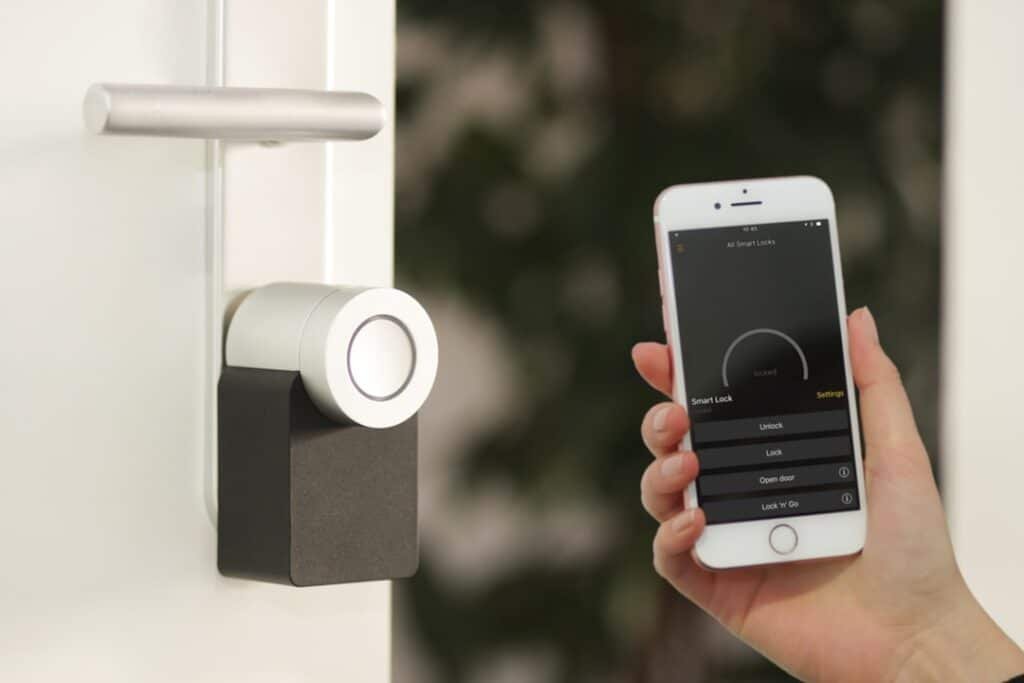
In an age where technology permeates every aspect of our lives, the concept of home security has evolved significantly. You may have noticed that traditional security systems, which often relied on cumbersome hardware and lengthy installation processes, are being replaced by more sophisticated smart home security systems. These modern solutions not only enhance your safety but also integrate seamlessly with your lifestyle.
Imagine being able to monitor your home from anywhere in the world, receiving real-time alerts on your smartphone, and controlling your security devices with just a few taps. This is the promise of smart home security systems. As you delve into the world of smart home security, you will discover a plethora of options designed to cater to various needs and preferences.
From smart cameras that provide live feeds to motion sensors that alert you of any unusual activity, these systems offer a level of convenience and peace of mind that was previously unimaginable. The integration of artificial intelligence and machine learning further enhances their capabilities, allowing them to adapt to your habits and preferences. In this article, you will explore the essential features to look for, the top systems available, and how to choose the right one for your home.
Key Takeaways
- Smart home security systems provide advanced protection for your home and family, using technology to monitor and secure your property.
- When choosing a smart home security system, look for features such as remote monitoring, motion detection, and integration with other smart devices.
- Some of the top smart home security systems on the market include Ring, Nest, SimpliSafe, ADT, and Vivint, each offering unique features and benefits.
- Using a smart home security system can provide benefits such as peace of mind, remote access, and potential savings on home insurance premiums.
- When choosing the right smart home security system for your needs, consider factors such as your budget, the size of your home, and the level of customization and integration you require.
Features to Look for in a Smart Home Security System
When considering a smart home security system, it’s crucial to identify the features that will best serve your needs. One of the most important aspects is remote access. You want a system that allows you to monitor your home in real-time through a mobile app or web interface.
This feature not only provides peace of mind but also enables you to respond quickly to any potential threats. Look for systems that offer high-definition video feeds, night vision capabilities, and two-way audio, allowing you to communicate with anyone on your property. Another key feature to consider is automation and integration with other smart devices.
A robust smart home security system should work harmoniously with your existing smart home ecosystem, such as smart locks, lights, and thermostats. This integration can enhance your overall security by allowing you to create automated routines. For instance, you can program your lights to turn on when motion is detected or lock your doors automatically when you leave home.
Additionally, consider systems that offer customizable alerts and notifications, so you can tailor the information you receive based on your preferences.
Top Smart Home Security Systems on the Market

As you explore the market for smart home security systems, several options stand out due to their features, reliability, and user satisfaction. One popular choice is the Ring Security System, known for its user-friendly interface and extensive range of products. With options like video doorbells, indoor cameras, and outdoor floodlight cameras, Ring provides a comprehensive solution for monitoring your property.
The ability to integrate with Amazon Alexa further enhances its functionality, allowing you to control your system using voice commands. Another noteworthy contender is the Arlo Security System, which offers high-quality video surveillance with advanced features such as color night vision and a wide field of view. Arlo’s wireless design makes installation a breeze, and its cloud storage options ensure that you never miss an important moment.
Additionally, the system’s compatibility with various smart home platforms allows for seamless integration into your existing setup. As you evaluate these options, consider your specific needs and preferences to find the system that best aligns with your lifestyle.
Benefits of Using a Smart Home Security System
Investing in a smart home security system comes with numerous benefits that extend beyond mere protection against intruders. One significant advantage is the enhanced convenience it offers. With remote access capabilities, you can monitor your home from anywhere at any time.
Whether you’re at work or on vacation, having the ability to check in on your property provides peace of mind that traditional systems simply cannot match. Moreover, smart home security systems can lead to cost savings in the long run. Many insurance companies offer discounts for homes equipped with advanced security measures.
By reducing the risk of theft or damage, you may find that your premiums decrease significantly. Additionally, some systems allow for energy management features that can help lower utility bills by optimizing energy usage when you’re away from home. This combination of safety and savings makes smart home security an appealing investment for many homeowners.
How to Choose the Right Smart Home Security System for Your Needs
Selecting the right smart home security system requires careful consideration of several factors tailored to your unique situation. Start by assessing the size and layout of your home. Larger properties may require multiple cameras or sensors to ensure comprehensive coverage, while smaller homes might only need a few strategically placed devices.
Understanding your space will help you determine which products are necessary for effective monitoring. Next, consider your lifestyle and specific security concerns. If you travel frequently or spend long hours away from home, a system with robust remote access features may be essential for you.
Alternatively, if you have pets or children, look for systems that offer customizable alerts to avoid false alarms triggered by everyday activities. Additionally, think about your budget; while some systems may have higher upfront costs, they could save you money in the long run through insurance discounts or energy savings.
Installation and Setup of a Smart Home Security System

Setting Up Your Smart Home Security System
Easy DIY Installation
Once you’ve chosen a smart home security system that meets your needs, the installation process is typically straightforward. Many systems are designed for easy DIY installation, allowing you to set up cameras and sensors without professional assistance. You’ll likely start by downloading the corresponding mobile app and following the step-by-step instructions provided by the manufacturer.
Customizing Your Setup
This user-friendly approach empowers you to customize your setup according to your preferences. You can tailor your system to fit your specific needs and ensure that it integrates seamlessly with your existing smart home devices.
Professional Installation for Larger Properties
However, if you prefer a more hands-off approach or have a larger property requiring extensive coverage, consider hiring a professional installer. They can ensure that all devices are optimally placed for maximum effectiveness and can assist with integrating the system into your existing smart home network.
Ensuring Optimal Performance
Regardless of which route you choose, taking the time to properly install and configure your system will significantly enhance its performance and reliability.
Tips for Maximizing the Effectiveness of Your Smart Home Security System
To get the most out of your smart home security system, there are several best practices you can follow. First and foremost, regularly update your system’s software and firmware. Manufacturers often release updates that enhance functionality and address security vulnerabilities.
By keeping your system up-to-date, you ensure that it operates at peak performance while safeguarding against potential threats. Additionally, consider creating a comprehensive security plan that includes not only your smart devices but also physical measures such as locks and outdoor lighting. For instance, installing motion-activated lights around entry points can deter potential intruders while complementing your camera system.
Furthermore, familiarize yourself with all features of your system; understanding how to customize alerts and notifications can help you respond more effectively to any incidents.
Future Trends in Smart Home Security Systems
As technology continues to advance at a rapid pace, the future of smart home security systems looks promising. One emerging trend is the integration of artificial intelligence (AI) into security devices. AI-powered cameras can learn to differentiate between familiar faces and strangers, reducing false alarms while enhancing overall security measures.
This capability not only improves monitoring efficiency but also provides users with more accurate information about who is on their property. Another exciting development is the increasing focus on cybersecurity within smart home systems. As more devices connect to the internet, ensuring their security becomes paramount.
Future systems are likely to incorporate advanced encryption methods and multi-factor authentication processes to protect user data from potential breaches. As these trends evolve, you can expect smarter, more secure solutions that will redefine how we think about home safety in an increasingly connected world. In conclusion, embracing a smart home security system can significantly enhance your peace of mind while providing convenience and cost savings.
By understanding the essential features to look for and evaluating top products on the market, you can make an informed decision tailored to your needs. With proper installation and ongoing maintenance, these systems will not only protect your home but also adapt to future technological advancements that continue to shape our lives.
If you’re considering enhancing the safety of your home with a smart security system, you might find the article on “The Role of Home Security Systems in Crime Prevention” particularly enlightening. It delves into how modern security systems not only protect individual homes but also contribute to broader crime prevention efforts in communities. You can read more about the impact and effectiveness of these systems by visiting The Role of Home Security Systems in Crime Prevention. This resource provides valuable insights that could help you make informed decisions about securing your home smartly and efficiently.
FAQs
What is a smart home security system?
A smart home security system is a network of interconnected devices and sensors that work together to protect your home from intruders and other potential threats. These systems can include features such as cameras, motion detectors, door and window sensors, and smart locks, all of which can be controlled and monitored remotely through a smartphone or other internet-connected device.
What are the benefits of a smart home security system?
Some benefits of a smart home security system include increased peace of mind, remote monitoring and control, integration with other smart home devices, and potential savings on home insurance premiums. These systems can also provide real-time alerts and notifications in the event of a security breach or emergency.
What features should I look for in a smart home security system?
When choosing a smart home security system, it’s important to consider features such as video surveillance, motion detection, entry sensors, smart locks, and compatibility with other smart home devices. Additionally, look for systems that offer professional monitoring services and easy-to-use mobile apps for remote access and control.
How do smart home security systems protect against hacking and privacy concerns?
To protect against hacking and privacy concerns, it’s important to choose a reputable and secure smart home security system from a trusted manufacturer. Additionally, make sure to regularly update the system’s firmware and use strong, unique passwords for all connected devices and accounts. It’s also a good idea to familiarize yourself with the system’s privacy settings and data encryption features.
What are some popular smart home security system brands?
Some popular smart home security system brands include Ring, Nest, SimpliSafe, ADT, and Vivint. Each of these brands offers a range of products and services designed to meet the security needs of different households, from basic DIY setups to professionally installed and monitored systems.