
In an era where technology is rapidly evolving, the landscape of home security has transformed dramatically. You may have noticed that traditional locks and alarm systems are no longer the only options available to protect your home. Advanced home security devices have emerged, integrating cutting-edge technology to provide enhanced safety and peace of mind.
These devices not only deter potential intruders but also offer a level of convenience and control that was previously unimaginable. As you explore the world of advanced home security, you will find a plethora of options designed to meet your specific needs and preferences. The integration of smart technology into home security systems has revolutionized how you can monitor and protect your living space.
From smart cameras that allow you to view live feeds from your smartphone to motion sensors that alert you of any unusual activity, these devices are designed to keep you informed and in control. As you delve deeper into this realm, you will discover that many of these advanced systems utilize facial recognition technology, which adds an additional layer of sophistication to home security. This article will explore the various aspects of advanced home security devices, particularly focusing on facial recognition technology, its benefits, limitations, and future developments.
Key Takeaways
- Advanced home security devices use cutting-edge technology to provide enhanced protection for homes and families.
- Facial recognition technology is being integrated into home security devices to provide an additional layer of security and convenience.
- Advanced home security devices can be programmed to recognize familiar faces, allowing for personalized security settings and alerts.
- These devices learn and adapt to the household’s patterns and behaviors, providing a more customized and effective security system.
- While facial recognition technology offers benefits, there are privacy concerns that need to be addressed to ensure the ethical use of this technology in home security.
Facial Recognition Technology in Home Security
Facial recognition technology has become a cornerstone of modern security systems, providing a means to identify individuals based on their facial features. You may be familiar with this technology from your smartphone or social media platforms, where it is used to unlock devices or tag friends in photos. In the context of home security, facial recognition serves as a powerful tool that enhances your ability to monitor who enters and exits your property.
By analyzing facial features and comparing them against a database of known individuals, these systems can quickly determine whether someone is a friend or a potential threat. As you consider the implications of facial recognition in home security, it’s essential to understand how this technology works. Advanced algorithms analyze various points on a person’s face, such as the distance between the eyes, the shape of the jawline, and other unique characteristics.
This data is then converted into a mathematical representation that can be stored and compared against future images captured by security cameras. The speed and accuracy of this process mean that you can receive real-time alerts about who is at your door or wandering around your property, allowing you to respond appropriately.
Can Advanced Home Security Devices Recognize Familiar Faces?
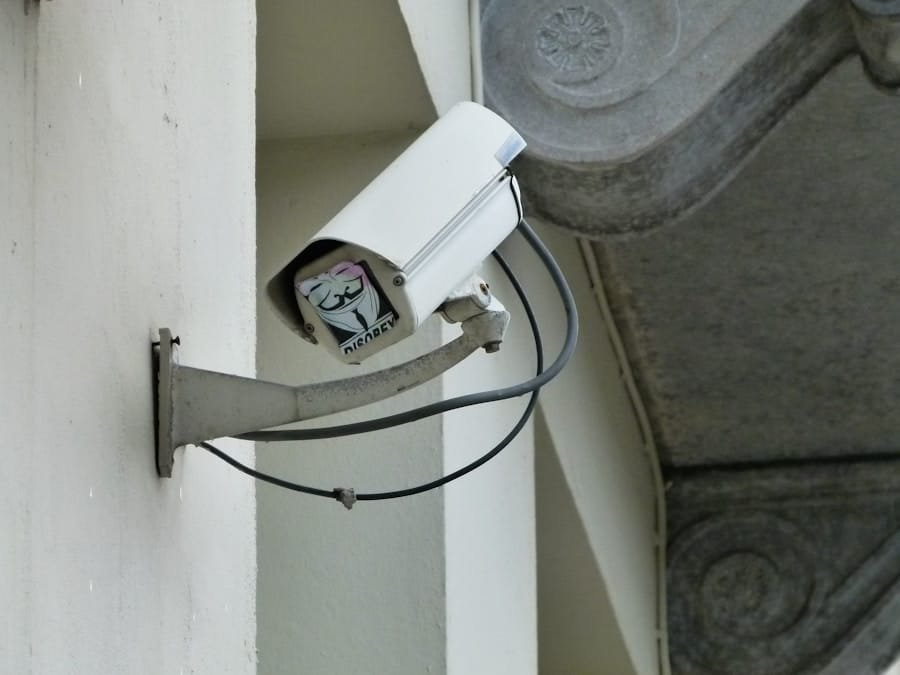
One of the most intriguing aspects of advanced home security devices equipped with facial recognition technology is their ability to recognize familiar faces. You might wonder how these systems differentiate between known individuals and strangers. When you set up your home security system, you typically have the option to create a database of familiar faces by uploading images or allowing the system to learn from live feeds over time.
This capability enables the device to identify family members, friends, or regular visitors, providing you with peace of mind that your loved ones are safe. The ability to recognize familiar faces also enhances the overall user experience. For instance, if a family member arrives home after a long day at work, the system can send you a notification confirming their arrival.
This feature not only keeps you informed but also allows for seamless communication within your household. However, it’s important to note that while these systems are designed to be highly accurate, they are not infallible. Factors such as lighting conditions, changes in appearance, or even the angle at which a face is captured can affect recognition accuracy.
How Advanced Home Security Devices Learn and Adapt
Advanced home security devices are not static; they are designed to learn and adapt over time. You may find it fascinating that many systems utilize machine learning algorithms to improve their performance continually. As these devices gather more data about the faces they encounter, they become better at distinguishing between familiar and unfamiliar individuals.
This learning process can enhance the accuracy of facial recognition and reduce the likelihood of false alarms. Moreover, as you interact with your home security system, it may also adapt to your preferences and routines. For example, if you frequently receive alerts for certain individuals who are recognized as familiar faces, the system may adjust its sensitivity settings accordingly.
This adaptability ensures that you receive relevant notifications without being overwhelmed by unnecessary alerts. As technology continues to advance, you can expect even more sophisticated learning capabilities in future home security devices.
Privacy Concerns with Facial Recognition in Home Security
While the benefits of facial recognition technology in home security are compelling, it is crucial to address the privacy concerns associated with its use. You may have heard debates surrounding surveillance and data collection practices in recent years, raising questions about how personal information is stored and utilized. When you install a facial recognition system in your home, you are essentially allowing a device to collect and analyze images of yourself and others who enter your property.
One significant concern is the potential for misuse of this data. If not adequately protected, facial recognition data could be accessed by unauthorized individuals or even used for nefarious purposes. Additionally, there is the question of consent; do all visitors to your home understand that they may be recorded and analyzed?
As you consider implementing such technology in your own home, it’s essential to weigh these privacy concerns against the benefits it offers.
Benefits of Advanced Home Security Devices with Facial Recognition
Despite the privacy concerns associated with facial recognition technology, there are numerous benefits that make these advanced home security devices appealing. One of the most significant advantages is enhanced security. By accurately identifying familiar faces and alerting you to unknown individuals, these systems can help prevent break-ins and other criminal activities.
You can feel more secure knowing that your home is being monitored by a system capable of distinguishing between friends and potential threats. Another benefit is convenience. With facial recognition technology integrated into your home security system, you can enjoy seamless access control.
For instance, if a family member forgets their key or if a friend arrives while you’re away, the system can grant access based on their recognized face. This feature eliminates the need for physical keys or codes while ensuring that only authorized individuals can enter your home. As you embrace this technology, you’ll likely find that it enhances both your security and daily life.
Limitations and Challenges of Facial Recognition in Home Security
While advanced home security devices with facial recognition offer numerous benefits, they are not without limitations and challenges. One primary concern is accuracy; despite advancements in technology, no system is perfect. Factors such as poor lighting conditions or changes in appearance—like wearing glasses or growing facial hair—can hinder recognition accuracy.
You may find yourself frustrated if your system fails to recognize a family member due to such variables. Additionally, there are ethical considerations surrounding bias in facial recognition technology. Studies have shown that some systems may perform better for certain demographics than others, leading to concerns about fairness and discrimination.
As you evaluate different home security options, it’s essential to consider how these limitations might impact your experience and whether the benefits outweigh the potential drawbacks.
Future Developments in Advanced Home Security Devices
As technology continues to evolve at an unprecedented pace, the future of advanced home security devices looks promising. You can expect significant advancements in facial recognition technology that will enhance accuracy and reliability while addressing current limitations. For instance, improvements in artificial intelligence could lead to more sophisticated algorithms capable of recognizing individuals under various conditions.
Moreover, as privacy concerns remain at the forefront of public discourse, future developments may focus on creating more transparent systems that prioritize user consent and data protection. You might see innovations such as decentralized storage solutions that allow users to maintain control over their data while still benefiting from advanced security features. As these technologies develop, they will likely reshape how you think about home security and privacy in an increasingly connected world.
In conclusion, advanced home security devices equipped with facial recognition technology represent a significant leap forward in protecting your home and loved ones. While there are challenges and concerns associated with this technology, its benefits—enhanced security and convenience—are compelling reasons to consider its implementation in your own life. As you navigate this evolving landscape, staying informed about advancements and ethical considerations will empower you to make choices that align with your values and priorities regarding safety and privacy.
Can Advanced Home Security Devices Recognize Familiar Faces? explores the latest advancements in home security technology and whether or not these devices are able to distinguish between familiar faces and potential intruders. For more information on how to maintain your home security system, check out Essential Tips for Maintaining Your Home Security System. This article provides valuable insights on how to ensure your security system is always functioning at its best to keep your home safe.
FAQs
What are advanced home security devices?
Advanced home security devices are electronic systems designed to protect homes from intruders and other security threats. These devices can include cameras, motion sensors, door and window sensors, and smart locks, among others.
How do advanced home security devices work?
Advanced home security devices use a combination of sensors, cameras, and smart technology to monitor and protect the home. They can detect motion, sound, and changes in the environment, and can send alerts to homeowners or authorities in the event of a security breach.
Can advanced home security devices recognize familiar faces?
Yes, some advanced home security devices are equipped with facial recognition technology that can recognize familiar faces and distinguish them from unknown individuals. This feature allows homeowners to receive alerts when familiar faces are detected, and can help improve the overall security of the home.
What are the benefits of advanced home security devices recognizing familiar faces?
The ability of advanced home security devices to recognize familiar faces can help reduce false alarms and provide more accurate security alerts. It can also enhance the overall convenience and usability of the security system, as homeowners can customize settings based on recognized individuals.
Are there any privacy concerns with advanced home security devices recognizing familiar faces?
Yes, there are potential privacy concerns with the use of facial recognition technology in home security devices. Homeowners should be aware of the potential for data breaches and unauthorized access to facial recognition data, and should carefully consider the privacy implications before implementing this technology in their homes.