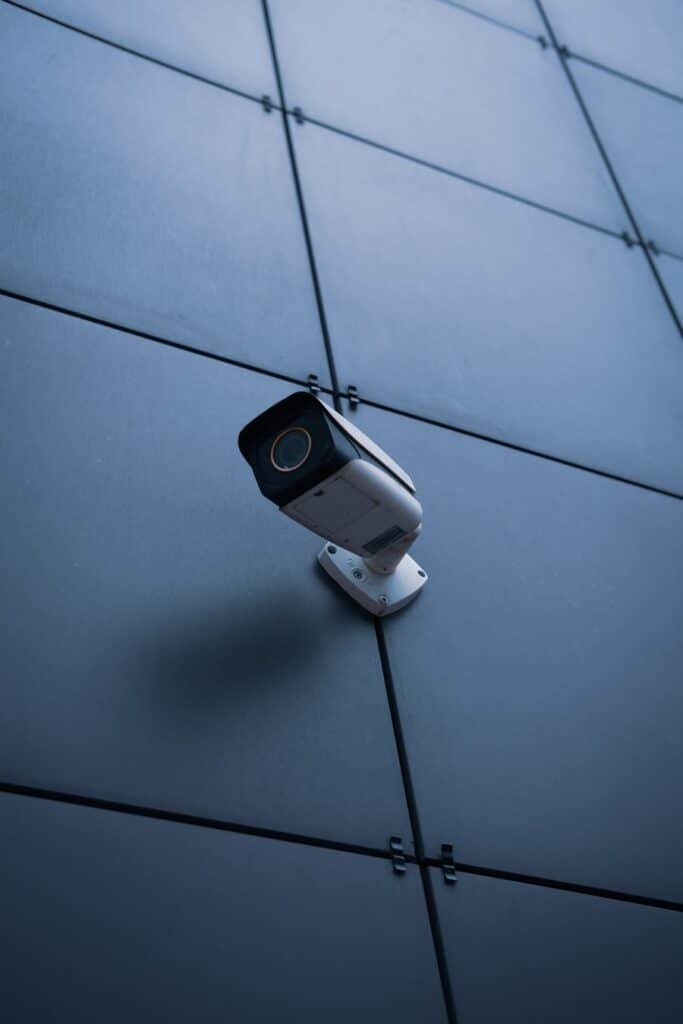
In an age where technology is rapidly evolving, home security devices have become an essential part of safeguarding your living space. These devices not only provide peace of mind but also enhance the overall safety of your home. With the rise of smart technology, you can now monitor your property from anywhere in the world, thanks to the integration of advanced features such as cameras, alarms, and motion sensors.
As a homeowner, you may find yourself contemplating the best ways to protect your family and belongings, and home security devices offer a comprehensive solution to these concerns. The landscape of home security has transformed dramatically over the past few years. Gone are the days when a simple lock and key were sufficient to keep intruders at bay.
Today, you have access to a plethora of devices that utilize cutting-edge technology to ensure your home remains secure. From smart doorbells that allow you to see who is at your door to sophisticated alarm systems that can alert you to any unusual activity, these devices are designed to cater to your specific needs. As you explore the various options available, understanding how these devices work and their capabilities will empower you to make informed decisions about your home security.
Key Takeaways
- Home security devices are essential for protecting homes and ensuring the safety of its occupants.
- These devices recognize users through various technologies such as biometric recognition and user-specific settings and profiles.
- Biometric recognition technology, such as fingerprint and facial recognition, is becoming increasingly popular in home security devices.
- User-specific settings and profiles allow for personalized security measures based on individual preferences and needs.
- Challenges in recognizing different users include accuracy, reliability, and adaptability to changing conditions.
How Home Security Devices Recognize Users
One of the most intriguing aspects of modern home security devices is their ability to recognize users. This capability is not just about identifying who is entering or exiting your home; it also involves understanding the context in which these interactions occur. For instance, many devices are equipped with facial recognition technology that allows them to distinguish between family members and strangers.
This means that when you approach your front door, the device can identify you and grant access without requiring a key or code. Moreover, user recognition extends beyond just facial features. Many systems incorporate voice recognition, allowing them to respond to specific commands or queries from recognized individuals.
This dual-layered approach enhances security by ensuring that only authorized users can access certain features or areas of your home. As you consider implementing these technologies, it’s essential to understand how they function and the benefits they bring to your overall security strategy.
Biometric Recognition Technology
Biometric recognition technology is at the forefront of user identification in home security systems. This technology leverages unique biological traits—such as fingerprints, facial patterns, and even iris scans—to authenticate users. When you think about the convenience of simply placing your finger on a scanner or looking into a camera to unlock your door, it becomes clear why biometric systems are gaining popularity.
They offer a level of security that traditional methods simply cannot match. The accuracy of biometric recognition has improved significantly over the years, making it a reliable option for homeowners. For instance, fingerprint scanners can quickly analyze and compare your fingerprint against stored data, allowing for swift access without the need for keys or codes.
Similarly, facial recognition systems can adapt to changes in appearance over time, ensuring that they remain effective even as you age or change your hairstyle. As you explore these options, consider how biometric technology can enhance your home security while providing ease of use for you and your family.
User-Specific Settings and Profiles
Another significant advantage of modern home security devices is their ability to create user-specific settings and profiles. This feature allows each member of your household to have personalized access levels and preferences tailored to their needs. For example, you might want your children to have limited access to certain areas of the house or specific functionalities of the security system.
By setting up individual profiles, you can ensure that everyone has appropriate access while maintaining overall security. These user-specific settings can also extend to notifications and alerts. You may prefer receiving immediate alerts for any unusual activity, while another family member might only want a summary at the end of the day.
This customization not only enhances security but also fosters a sense of control over your home environment. As you delve into the world of home security devices, take advantage of these features to create a system that works best for your family’s unique dynamics.
Challenges in Recognizing Different Users
While user recognition technology has made significant strides, it is not without its challenges. One of the primary issues is ensuring accurate identification across diverse users. For instance, if multiple family members share similar physical traits—such as siblings with similar facial features—there may be instances where the system struggles to differentiate between them.
This can lead to frustration and potential security risks if unauthorized individuals gain access. Additionally, environmental factors can impact recognition accuracy. Changes in lighting conditions or obstructions in the camera’s view can hinder facial recognition systems, while dirt or moisture on fingerprint scanners can affect their performance.
As you consider implementing these technologies in your home, it’s crucial to be aware of these challenges and explore solutions that can mitigate them effectively.
Potential Risks and Privacy Concerns
Data Protection Concerns
If a device were to be hacked or compromised, sensitive information could fall into the wrong hands, leading to potential identity theft or unauthorized access.
Surveillance and Privacy Debate
There is an ongoing debate about surveillance and privacy in residential areas. While many homeowners appreciate the added security that comes with monitoring their property, others may feel uncomfortable with the idea of being constantly watched by cameras or sensors.
Striking a Balance
As you navigate these concerns, it’s essential to strike a balance between ensuring safety and respecting personal privacy within your household and neighborhood.
Future Developments in User Recognition Technology
Looking ahead, the future of user recognition technology in home security appears promising. Innovations in artificial intelligence and machine learning are set to enhance the accuracy and efficiency of these systems significantly. For instance, future devices may incorporate advanced algorithms that can learn from user behavior over time, allowing them to adapt and improve their recognition capabilities continuously.
Additionally, as privacy concerns become more prominent, developers are likely to focus on creating more secure methods for storing and processing biometric data. This could involve decentralized storage solutions that minimize the risk of data breaches while still providing effective user recognition. As you consider investing in home security technology, staying informed about these developments will help you make choices that align with both your security needs and privacy preferences.
Conclusion and Recommendations for Home Security Users
In conclusion, home security devices equipped with user recognition technology offer an array of benefits that can significantly enhance your safety and peace of mind. From biometric recognition systems to user-specific settings, these innovations provide tailored solutions for protecting your home and loved ones. However, it’s essential to remain aware of the challenges and privacy concerns associated with these technologies.
As you explore options for securing your home, consider investing in devices that prioritize both functionality and user experience. Look for systems that offer robust user recognition capabilities while also addressing potential risks related to data privacy. By staying informed about advancements in this field and making thoughtful choices, you can create a secure environment that meets your family’s unique needs while embracing the convenience of modern technology.
Can Home Security Devices Recognize Different Users? This article explores the advancements in home security technology that allow for personalized recognition of different users within a household. By utilizing features such as facial recognition or voice authentication, these devices can distinguish between authorized users and potential intruders. For more information on how home security systems can provide personalized protection, check out this article on collaborative neighborhood watch programs.
FAQs
What are home security devices?
Home security devices are electronic systems designed to protect homes from intruders and other potential threats. These devices can include cameras, motion sensors, door and window sensors, and smart locks.
Can home security devices recognize different users?
Yes, some home security devices have the capability to recognize different users. This can be achieved through features such as facial recognition, voice recognition, or personalized access codes.
How do home security devices recognize different users?
Home security devices can recognize different users through various methods such as facial recognition technology, voice recognition technology, or the use of personalized access codes or key fobs.
What are the benefits of home security devices recognizing different users?
The benefits of home security devices recognizing different users include personalized security settings, the ability to track who is entering and leaving the home, and the ability to customize access permissions for different users.
Are there any privacy concerns with home security devices recognizing different users?
Yes, there can be privacy concerns with home security devices recognizing different users, particularly with technologies like facial recognition. It’s important for users to be aware of the potential privacy implications and to carefully consider the use of these features.