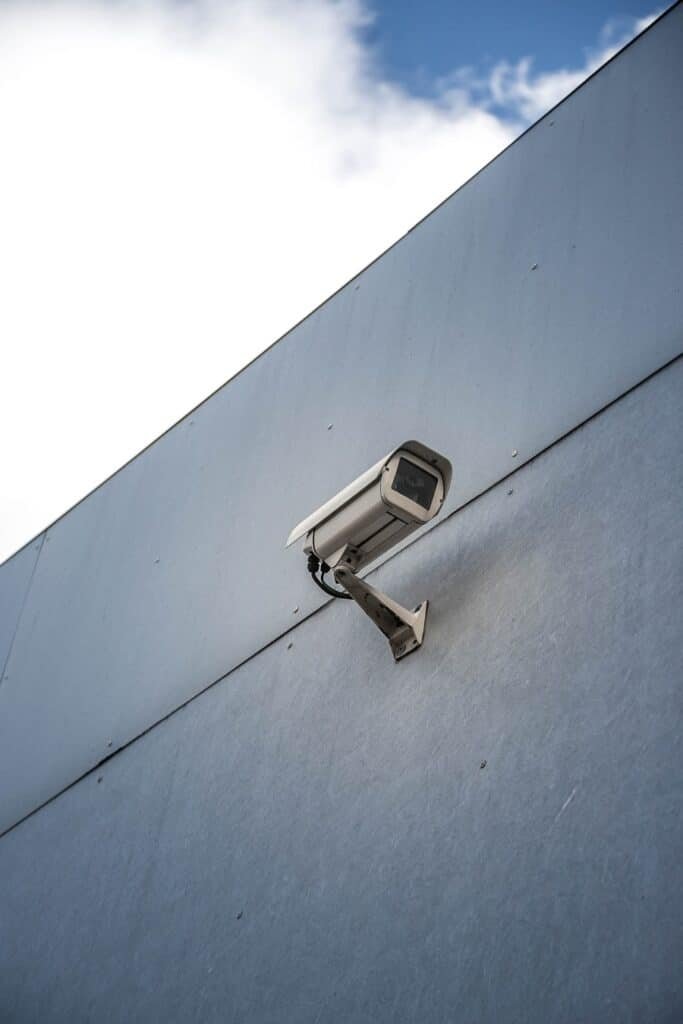
In an age where technology is rapidly evolving, home security devices have become an essential component of safeguarding your living space. These devices range from simple locks and alarms to sophisticated surveillance systems equipped with artificial intelligence. As a homeowner, you may find yourself increasingly reliant on these tools to protect your property and loved ones.
The peace of mind that comes from knowing you have a robust security system in place cannot be overstated. With the rise in crime rates and the growing awareness of personal safety, investing in home security devices is not just a trend; it’s a necessity. The market for home security has expanded significantly, offering a plethora of options tailored to meet various needs and budgets.
Whether you are looking for a basic alarm system or a comprehensive smart home security solution, there is something available for everyone. These devices not only deter potential intruders but also provide you with real-time information about your home’s security status. As you explore the different types of home security devices, it’s essential to understand how they function and the benefits they offer in enhancing your overall safety.
Key Takeaways
- Home security devices are essential for protecting homes and families from potential threats.
- Home security devices send alerts through various methods such as mobile apps, text messages, and emails.
- Partnership with local law enforcement can enhance the effectiveness of home security devices in preventing and responding to crimes.
- Sending alerts to local law enforcement can lead to quicker response times and increased chances of catching perpetrators.
- Legal and privacy considerations, as well as limitations and challenges, should be carefully considered when implementing home security devices and alert systems.
How Home Security Devices Send Alerts
Home security devices are designed to monitor your property continuously and alert you to any unusual activity. Most modern systems utilize a combination of sensors, cameras, and alarms that work together to create a comprehensive security network. When a sensor detects motion or an unauthorized entry, it triggers an alert that can be sent directly to your smartphone or other connected devices.
This immediate notification allows you to respond quickly, whether that means checking the live feed from your security cameras or contacting local authorities. The technology behind these alerts is often powered by wireless communication protocols, such as Wi-Fi or cellular networks. This means that even if you are miles away from home, you can still receive real-time updates about your property’s security status.
Many systems also offer customizable settings, allowing you to choose how and when you receive alerts. For instance, you might prefer to receive notifications only during certain hours or when specific sensors are triggered. This level of control ensures that you remain informed without feeling overwhelmed by constant updates.
Partnership with Local Law Enforcement
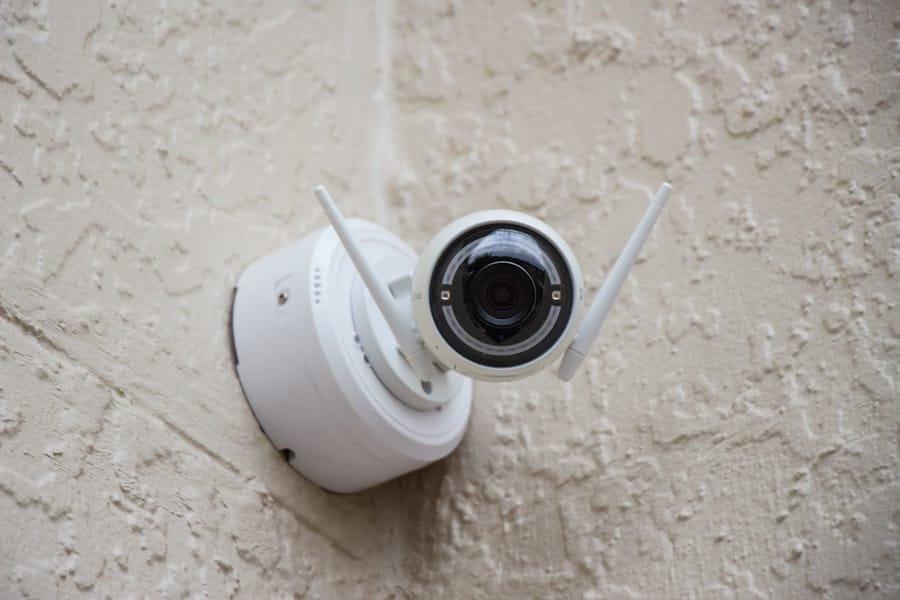
One of the most significant advancements in home security technology is the ability to connect directly with local law enforcement agencies. Many modern security systems offer features that allow for automatic alerts to be sent to police or emergency services in the event of a break-in or other emergency. This partnership between homeowners and law enforcement can significantly enhance the effectiveness of your security measures.
By having a direct line of communication with local authorities, you can ensure that help is on the way as soon as an incident occurs. This collaboration not only improves response times but also fosters a sense of community safety. When law enforcement is aware of the security measures in place within your neighborhood, they can allocate resources more effectively and monitor areas that may be at higher risk for crime.
As a homeowner, being part of this network can provide you with additional reassurance that your safety is a priority for both you and your local police department.
Benefits of Sending Alerts to Local Law Enforcement
The benefits of sending alerts directly to local law enforcement are manifold. First and foremost, it enhances the speed at which authorities can respond to potential threats. In emergencies, every second counts; having an alert system that communicates directly with police can mean the difference between catching an intruder in the act and allowing them to escape.
This rapid response capability can deter criminals from targeting homes equipped with such systems, knowing that law enforcement is already on high alert. Moreover, this direct line of communication can lead to more effective crime prevention strategies within your community. When law enforcement receives alerts from multiple homes in a neighborhood, they can identify patterns and trends in criminal activity.
This data can inform patrol routes and community safety initiatives, ultimately leading to a safer environment for everyone. As a homeowner, knowing that your security system contributes to broader community safety efforts can provide an added layer of comfort.
Limitations and Challenges
Despite the numerous advantages of home security devices and their ability to send alerts to law enforcement, there are limitations and challenges that you should be aware of. One significant concern is the potential for false alarms. If your system is overly sensitive or improperly configured, it may trigger alerts for non-threatening situations, such as pets moving around or environmental factors like wind.
Frequent false alarms can lead to frustration for both homeowners and law enforcement, potentially resulting in fines or reduced responsiveness from authorities. Another challenge lies in the reliance on technology itself. While advancements in home security have made systems more effective than ever, they are not infallible.
Power outages, internet disruptions, or technical malfunctions can compromise the functionality of your security devices. As a homeowner, it’s crucial to have contingency plans in place for such scenarios, ensuring that your property remains protected even when technology fails.
Legal and Privacy Considerations
As you consider implementing home security devices that send alerts to law enforcement, it’s essential to navigate the legal and privacy implications associated with these technologies. Surveillance cameras, for instance, can capture footage of individuals on public streets or neighboring properties, raising questions about privacy rights. You must ensure that your use of these devices complies with local laws regarding surveillance and data collection.
Additionally, when sharing information with law enforcement, it’s vital to understand how your data will be used and stored. Transparency regarding data handling practices can help alleviate concerns about privacy violations. As a responsible homeowner, you should familiarize yourself with relevant regulations and best practices to ensure that your home security measures do not infringe upon the rights of others while still providing you with the protection you seek.
Alternatives to Direct Alerts to Law Enforcement
While sending alerts directly to law enforcement can be beneficial, it’s not the only option available for enhancing your home security. Many homeowners prefer alternative methods that allow for more control over their response strategies. For instance, some systems enable you to set up alerts that notify trusted friends or family members first before contacting authorities.
This approach allows you to assess the situation personally or gather additional information before involving law enforcement. Another alternative is utilizing professional monitoring services that provide 24/7 surveillance of your property. These services often include trained personnel who can evaluate alerts and determine whether a situation warrants contacting law enforcement.
This option can alleviate some of the burdens on homeowners while still ensuring that help is available when needed. By exploring these alternatives, you can find a solution that aligns with your preferences and comfort level regarding home security.
Conclusion and Recommendations
In conclusion, home security devices play a crucial role in protecting your property and loved ones in today’s world. The ability to send alerts directly to local law enforcement enhances the effectiveness of these systems, providing peace of mind and fostering community safety. However, it’s essential to remain aware of the limitations and challenges associated with these technologies, including false alarms and privacy concerns.
As you consider implementing home security measures, take the time to research various options available on the market. Evaluate whether direct alerts to law enforcement align with your preferences or if alternative methods may better suit your needs. Ultimately, investing in a reliable home security system tailored to your lifestyle will empower you to take control of your safety while contributing positively to your community’s overall well-being.
If you are interested in learning more about home security systems and services, you may want to check out this article on essential tips for maintaining your home security system. This article provides valuable information on how to keep your home security devices in top working condition to ensure they are always ready to send alerts to local law enforcement in case of an emergency. It offers practical advice on how to properly maintain and care for your home security system to keep your home safe and secure.
FAQs
Can home security devices send alerts to local law enforcement?
Yes, many home security devices have the capability to send alerts to local law enforcement in the event of a security breach or emergency.
How do home security devices send alerts to local law enforcement?
Home security devices can send alerts to local law enforcement through various methods such as direct communication with the local police department, third-party monitoring services, or mobile app notifications.
What types of alerts can home security devices send to local law enforcement?
Home security devices can send alerts to local law enforcement for a variety of situations including break-ins, fire, medical emergencies, and other security threats.
Are there any regulations or requirements for home security devices to send alerts to local law enforcement?
Regulations and requirements for home security devices to send alerts to local law enforcement may vary by location. It’s important to check with local authorities and understand any legal obligations or guidelines for alerting law enforcement.
What are the benefits of home security devices sending alerts to local law enforcement?
The benefits of home security devices sending alerts to local law enforcement include faster response times, increased security for homeowners, and potential deterrence of criminal activity.