When it comes to home security, sensitivity plays a crucial role in ensuring that your system functions effectively. Sensitivity refers to the device’s ability to detect movement or changes in the environment. If a security device is too sensitive, it may trigger false alarms due to minor disturbances, such as pets moving around or even the wind rustling leaves.
Conversely, if the sensitivity is set too low, the device may fail to detect genuine threats, leaving your home vulnerable. Understanding how sensitivity works in your home security devices is essential for creating a balanced system that provides peace of mind without unnecessary interruptions. You should consider the various factors that can influence sensitivity settings.
Environmental conditions, such as temperature fluctuations and humidity levels, can affect how well sensors perform. Additionally, the layout of your home and the placement of security devices can also impact their effectiveness. For instance, a motion sensor placed near a window may pick up movement from outside, leading to frequent false alarms.
By understanding these nuances, you can make informed decisions about how to adjust sensitivity levels for optimal performance.
Key Takeaways
- Understanding sensitivity in home security devices is crucial for optimizing their performance and reducing false alarms.
- Types of home security devices with adjustable sensitivity include motion sensors, door and window sensors, and glass break sensors.
- Adjusting the sensitivity of motion sensors involves finding the right balance between detecting movement and avoiding false alarms.
- When adjusting the sensitivity of door and window sensors, it’s important to consider factors such as weather and environmental conditions.
- Fine-tuning the sensitivity of glass break sensors requires testing different levels to ensure they can accurately detect the sound of breaking glass.
Types of Home Security Devices with Adjustable Sensitivity
Motion Sensors
Motion sensors are perhaps the most common type of home security device, designed to detect movement within a specified range. These devices can be used both indoors and outdoors, making them versatile for various applications. Many modern motion sensors enable you to customize their sensitivity levels, allowing you to fine-tune their performance based on your specific needs and environment.
Door and Window Sensors
Another type of device that often features adjustable sensitivity is door and window sensors. These sensors typically use magnetic fields to detect when a door or window is opened or closed. By adjusting their sensitivity, you can reduce the likelihood of false alarms caused by minor vibrations or movements.
Glass Break Sensors
Glass break sensors are designed to detect the sound of breaking glass. These devices can also be calibrated for sensitivity, allowing you to differentiate between actual break-ins and harmless noises that might otherwise trigger an alarm.
How to Adjust the Sensitivity of Motion Sensors
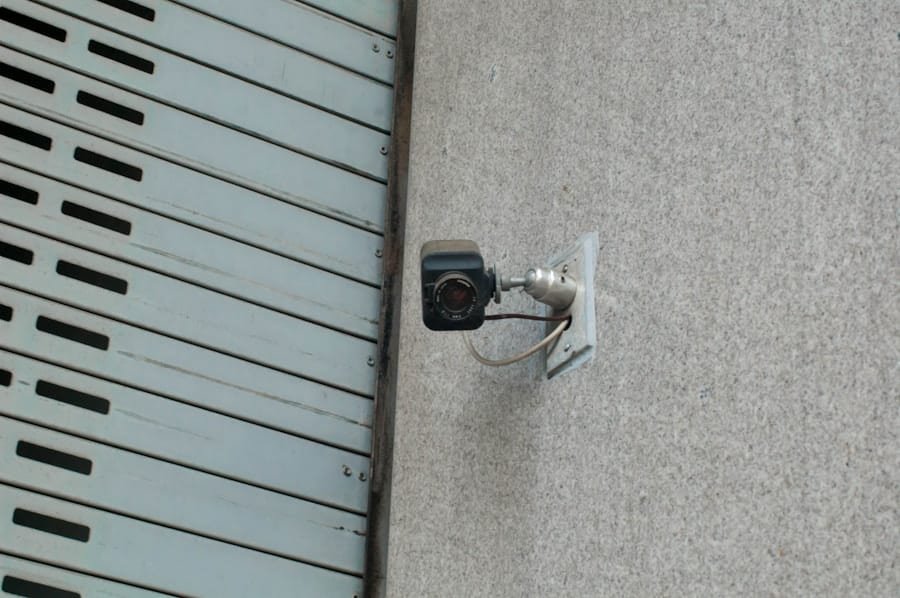
Adjusting the sensitivity of motion sensors is a straightforward process that can significantly enhance your home security system’s effectiveness. Most motion sensors come with a dial or a digital interface that allows you to set the desired sensitivity level. To begin, you should consult the user manual for your specific device, as different models may have unique adjustment methods.
Generally, you will find options ranging from low to high sensitivity, allowing you to choose the best setting for your environment. When adjusting the sensitivity, consider the area where the sensor is installed. If it’s located in a high-traffic zone or near windows where outside movement is common, you may want to set it to a lower sensitivity level to avoid false alarms.
On the other hand, if the sensor is positioned in a more secluded area where genuine threats are more likely, increasing the sensitivity could be beneficial. After making adjustments, it’s essential to test the sensor’s performance by walking through its detection zone to ensure it responds appropriately.
Adjusting the Sensitivity of Door and Window Sensors
Door and window sensors are vital components of any home security system, and adjusting their sensitivity can help prevent unnecessary alerts while ensuring that genuine breaches are detected. These sensors typically consist of two parts: a magnet and a sensor unit. When the door or window is closed, the magnet aligns with the sensor unit, creating a secure connection.
If this connection is broken, an alarm is triggered. To adjust sensitivity, you may need to access the sensor’s settings through its control panel or app. When setting the sensitivity for door and window sensors, consider factors such as vibrations from nearby traffic or even heavy footfalls within your home.
If your sensors are overly sensitive, they may trigger alarms from minor disturbances that pose no real threat. Conversely, if they are set too low, they might not activate during an actual break-in. A balanced approach is key; aim for a setting that minimizes false alarms while still providing reliable protection.
Fine-tuning the Sensitivity of Glass Break Sensors
Glass break sensors are specialized devices designed to detect the sound frequency associated with breaking glass. These sensors can be particularly useful in homes with large windows or sliding glass doors. Fine-tuning their sensitivity is essential for ensuring they respond accurately to genuine threats while avoiding false alarms caused by other loud noises in your environment.
To adjust the sensitivity of glass break sensors, you will typically find a dial or digital setting on the device itself or within its accompanying app. It’s important to test these sensors after making adjustments by simulating a glass break scenario—this could involve using a sound generator or simply tapping on a nearby surface to see if the sensor responds appropriately. Keep in mind that environmental factors such as background noise levels can also affect performance; therefore, regular testing and adjustments may be necessary.
Tips for Adjusting the Sensitivity of Home Security Cameras
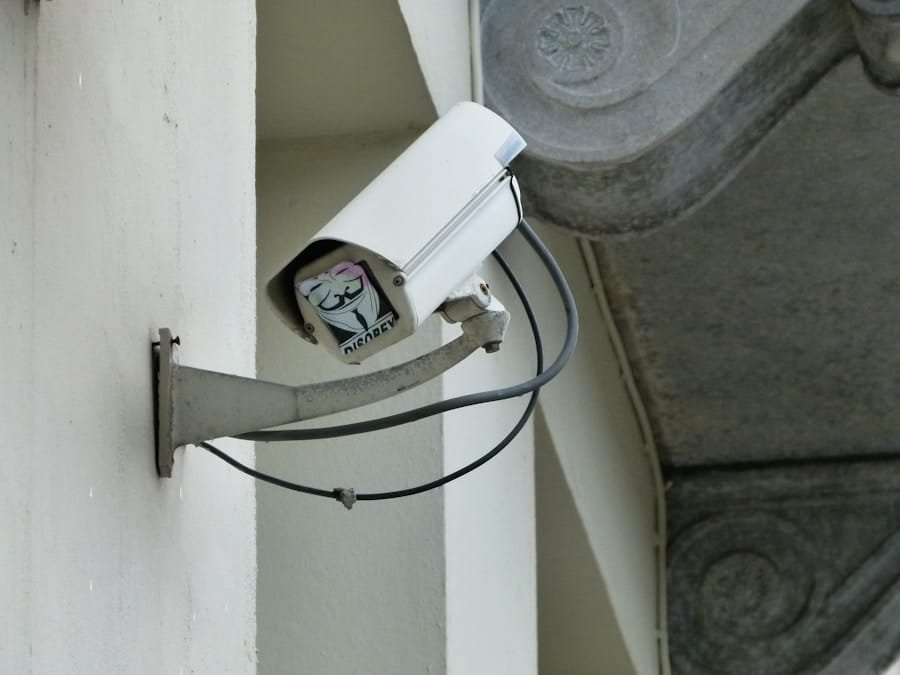
Home security cameras have become increasingly sophisticated, offering features like motion detection and facial recognition. Adjusting their sensitivity settings can help ensure that they capture relevant activity without overwhelming you with notifications for every minor movement. Most modern cameras allow you to customize motion detection zones and set thresholds for what constitutes significant movement.
When adjusting camera sensitivity, consider factors such as lighting conditions and the camera’s field of view. For instance, if your camera is positioned near a busy street or an area with frequent animal activity, lowering its sensitivity may help reduce unnecessary alerts. Additionally, many cameras offer options for setting specific zones where motion detection is active; this allows you to focus on critical areas while ignoring less important ones.
Common Issues When Adjusting Sensitivity and How to Troubleshoot
While adjusting sensitivity settings can enhance your home security system’s performance, it can also lead to common issues that require troubleshooting. One frequent problem is experiencing too many false alarms after making adjustments. If this occurs, it may indicate that your settings are too sensitive for your environment.
In such cases, revisiting your adjustments and gradually lowering sensitivity levels can help mitigate this issue. Another common challenge is failing to receive alerts during genuine security events. If you’ve adjusted your settings but find that your system isn’t responding as expected, it may be time to reassess your configuration.
Check for any obstructions that could be interfering with sensor performance and ensure that all devices are properly calibrated according to manufacturer guidelines. Regular maintenance and testing can help identify potential issues before they become significant problems.
The Importance of Regularly Checking and Adjusting Sensitivity Levels
Regularly checking and adjusting sensitivity levels in your home security devices is essential for maintaining an effective security system. Over time, environmental changes—such as new landscaping or furniture arrangements—can impact how well your devices perform. By routinely assessing and fine-tuning these settings, you can ensure that your system remains responsive to genuine threats while minimizing false alarms.
Moreover, technology evolves rapidly; new updates or features may enhance your devices’ capabilities over time. Staying informed about these advancements allows you to take full advantage of your home security system’s potential. By prioritizing regular checks and adjustments, you not only enhance your home’s safety but also gain peace of mind knowing that your security measures are always optimized for current conditions.
If you are looking to adjust the sensitivity of your home security devices, you may also be interested in reading about the 5 must-have features for your home security system. This article discusses important features to consider when choosing a home security system, such as motion detection, remote access, and video monitoring. To learn more about creating a comprehensive security system for your home, check out this article.
FAQs
What are home security devices?
Home security devices are electronic systems designed to protect your home from intruders and other potential threats. These devices can include cameras, motion sensors, door and window sensors, and alarms.
Can I adjust the sensitivity of home security devices?
Yes, many home security devices allow you to adjust their sensitivity settings. For example, motion sensors can often be adjusted to detect movement within a specific range, and cameras may have settings to adjust their sensitivity to light and motion.
How do I adjust the sensitivity of home security devices?
The process for adjusting the sensitivity of home security devices varies depending on the specific device. In most cases, you can adjust the sensitivity through the device’s settings or control panel. Refer to the device’s user manual or contact the manufacturer for specific instructions.
Why would I want to adjust the sensitivity of home security devices?
Adjusting the sensitivity of home security devices allows you to customize their performance to better suit your home and security needs. For example, you may want to decrease the sensitivity of a motion sensor to reduce false alarms, or increase the sensitivity of a camera to capture more detailed footage.
Are there any limitations to adjusting the sensitivity of home security devices?
While many home security devices offer sensitivity adjustments, there may be limitations based on the specific device and its capabilities. It’s important to understand the capabilities and limitations of your home security devices before attempting to adjust their sensitivity.