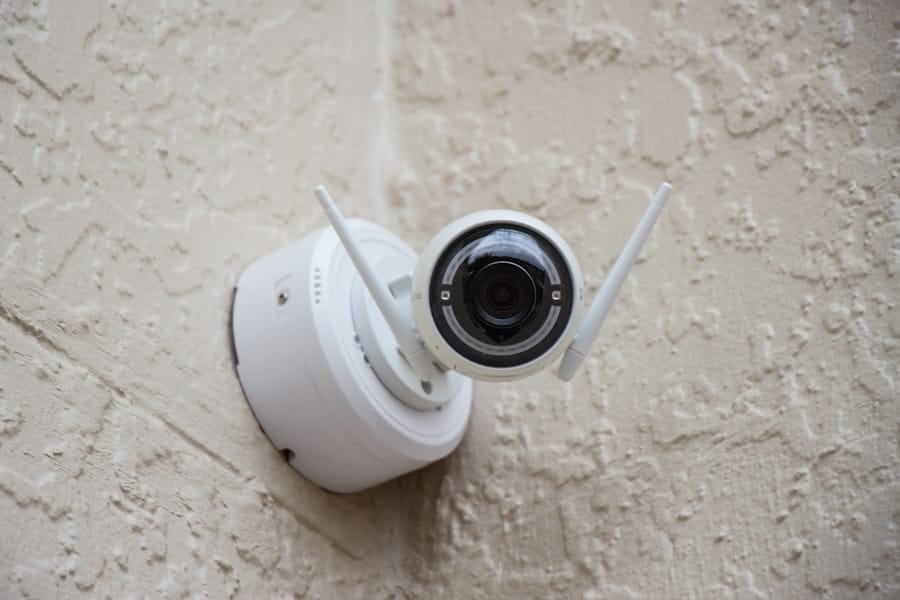
In today’s fast-paced world, the importance of home security cannot be overstated. You want to feel safe and secure in your own space, and that’s where home security systems come into play. These systems have evolved significantly over the years, transitioning from traditional locks and alarms to sophisticated setups that incorporate advanced technology.
You may find yourself considering various options, from basic alarm systems to comprehensive surveillance networks that can be monitored remotely. The integration of smart home devices into these security systems has further revolutionized how you protect your home. Smart home devices, which include everything from smart locks and cameras to motion sensors and smart lighting, offer a level of convenience and control that was previously unimaginable.
By connecting these devices to your home security system, you can create a cohesive network that enhances your overall safety. Imagine being able to monitor your home in real-time from your smartphone or receiving alerts when unusual activity is detected. This seamless integration not only provides peace of mind but also allows you to manage your home environment more efficiently.
Key Takeaways
- Home security systems and smart home devices are becoming increasingly popular for enhancing the safety and convenience of modern homes.
- Integration and compatibility are crucial factors to consider when combining home security systems with smart home devices to ensure seamless operation.
- The integration of home security systems with smart home devices offers benefits such as remote monitoring, automation, and increased overall security.
- Common smart home devices that can be integrated with home security systems include smart locks, security cameras, motion sensors, and smart lighting.
- When integrating home security systems with smart home devices, it is important to consider factors such as compatibility, security protocols, and user preferences.
Understanding Integration and Compatibility
Understanding Protocols and Ecosystems
This often involves checking for compatibility with protocols such as Z-Wave, Zigbee, or Wi-Fi, which are commonly used in smart home technology. Moreover, many manufacturers offer their own ecosystems, which can either simplify or complicate the integration process. If you’re leaning towards a specific brand for your security system or smart devices, it’s wise to stick within that ecosystem for optimal performance.
The Benefits of a Mix-and-Match Approach
However, if you prefer a mix-and-match approach, researching third-party solutions that bridge different brands can be beneficial. This allows you to choose the best devices for your specific needs, rather than being limited to a single brand.
Making Informed Decisions
Understanding these nuances will empower you to make informed decisions about your home security setup. By considering compatibility and the technical specifications of your devices, you can create a seamless and effective smart home security system.
Benefits of Integrating Home Security Systems with Smart Home Devices
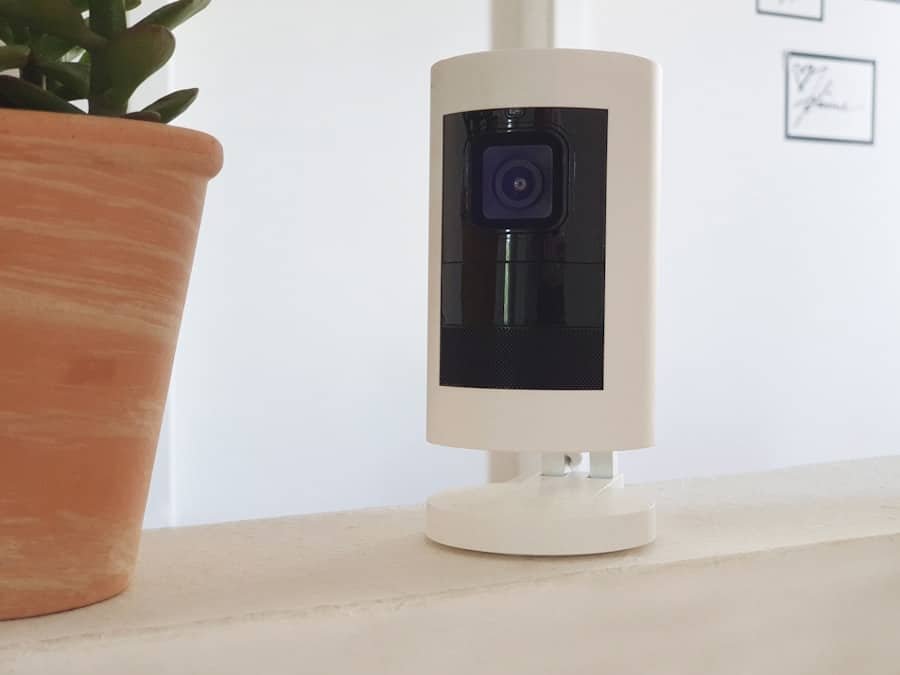
Integrating your home security system with smart home devices offers a multitude of benefits that enhance both safety and convenience. One of the most significant advantages is the ability to monitor your home remotely. With a smartphone app, you can check live feeds from security cameras, receive alerts about potential intrusions, and even control smart locks from anywhere in the world.
This level of accessibility means you can keep an eye on your property while you’re at work or on vacation, providing peace of mind that was once hard to achieve. Another key benefit is automation. By integrating smart devices with your security system, you can create automated routines that enhance your home’s safety.
For instance, you might set up your smart lights to turn on automatically when your security system is armed or program your smart thermostat to adjust when you leave the house. These automated features not only improve security but also contribute to energy efficiency and convenience in your daily life. You’ll find that the more integrated your systems are, the easier it becomes to manage your home environment.
Common Smart Home Devices that Can Be Integrated with Home Security Systems
As you explore the world of smart home devices, you’ll discover a variety of options that can seamlessly integrate with your home security system. Smart cameras are among the most popular choices; they allow you to monitor both the interior and exterior of your home in real-time. Many models come equipped with features like night vision, motion detection, and two-way audio, enabling you to communicate with visitors or deter potential intruders directly from your smartphone.
Smart locks are another essential component of a modern security system. These locks allow you to control access to your home remotely, granting entry to family members or service providers without needing physical keys. You can also receive notifications when someone enters or exits your home, adding an extra layer of security.
Additionally, smart doorbells equipped with cameras provide a convenient way to see who is at your door before opening it, further enhancing your home’s safety.
Considerations for Integrating Home Security Systems with Smart Home Devices
While integrating home security systems with smart devices offers numerous advantages, there are several considerations you should keep in mind before making any decisions. First and foremost is the issue of cybersecurity. As more devices connect to the internet, the risk of hacking increases.
You’ll want to ensure that both your security system and smart devices have robust encryption and security protocols in place to protect against unauthorized access. Another important factor is the reliability of your internet connection. Many smart devices rely on Wi-Fi for functionality, so a weak or unstable connection could compromise their performance.
It’s advisable to invest in a strong router and consider using a mesh network if you have a larger home. Additionally, think about how user-friendly the integration process will be; some systems may require technical expertise to set up properly, while others are designed for easy installation by homeowners.
How to Integrate Home Security Systems with Smart Home Devices
Integrating your home security system with smart home devices may seem daunting at first, but it can be a straightforward process if approached methodically. Start by selecting a compatible security system that supports integration with various smart devices. Once you’ve made your choice, follow the manufacturer’s instructions for installation and setup carefully.
Most modern systems come with user-friendly apps that guide you through the process step-by-step. After setting up your security system, begin adding smart devices one at a time. This allows you to troubleshoot any issues that may arise without becoming overwhelmed by multiple installations at once.
Make sure each device is connected properly and test its functionality before moving on to the next one. Once everything is in place, take advantage of automation features by creating routines that suit your lifestyle—this will help maximize the benefits of your integrated system.
Challenges and Limitations of Integrating Home Security Systems with Smart Home Devices
Despite the many advantages of integrating home security systems with smart devices, there are challenges and limitations that you should be aware of. One significant concern is compatibility issues between different brands and models. Even if two devices claim to be compatible with a particular protocol, they may not work seamlessly together due to variations in software or hardware design.
Additionally, reliance on technology means that any technical glitches or outages can disrupt your security measures. For instance, if your internet goes down or if there’s a power outage, some features may become inaccessible until service is restored. It’s essential to have contingency plans in place—such as backup power sources or traditional locks—to ensure that your home remains secure even during unforeseen circumstances.
Future Trends in Integration of Home Security Systems with Smart Home Devices
As technology continues to advance at a rapid pace, the future of integrating home security systems with smart devices looks promising. One trend gaining traction is the use of artificial intelligence (AI) in security systems. AI can analyze data from various sensors and cameras to identify patterns and detect anomalies more effectively than traditional methods.
This could lead to quicker response times and more accurate alerts regarding potential threats. Another exciting development is the increasing focus on interoperability among different brands and devices. As consumers demand more flexibility in their smart homes, manufacturers are beginning to prioritize compatibility across platforms.
This means you’ll likely have more options for creating a customized security solution tailored to your specific needs in the future. With these advancements on the horizon, integrating home security systems with smart devices will become even more intuitive and effective in safeguarding your home. In conclusion, as you navigate the world of home security systems and smart home devices, understanding integration and compatibility will empower you to create a safe and efficient living environment.
The benefits of such integration are numerous—from enhanced monitoring capabilities to increased automation—making it an attractive option for homeowners looking to bolster their security measures. By considering various factors and staying informed about future trends, you can make well-informed decisions that will keep your home secure for years to come.
If you are looking to integrate your home security system with your smart home devices, you may want to consider reading the article on home security system service in Springfield, Massachusetts. This article may provide valuable information on how to seamlessly connect your security system with other smart devices in your home. By following the tips and recommendations in this article, you can ensure that your home is fully protected and integrated with the latest technology.
FAQs
What is a home security system?
A home security system is a network of integrated electronic devices designed to secure a home against intruders and other potential dangers such as fire and carbon monoxide.
What are smart home devices?
Smart home devices are electronic devices that can be controlled remotely or automatically, and are often connected to a home network for enhanced functionality.
Can I integrate my home security system with my smart home devices?
Yes, many home security systems are designed to be compatible with smart home devices such as smart locks, smart lights, and smart thermostats.
What are the benefits of integrating my home security system with my smart home devices?
Integrating your home security system with your smart home devices allows for centralized control and automation of your home’s security and other systems, providing convenience and peace of mind.
What types of smart home devices can be integrated with a home security system?
Smart home devices that can be integrated with a home security system include smart locks, smart cameras, smart doorbells, smart lights, smart thermostats, and smart sensors.
How can I integrate my home security system with my smart home devices?
Integration methods vary depending on the specific devices and systems involved, but typically involve using a compatible app or platform to connect and control the devices together.