
In today’s rapidly evolving technological landscape, the integration of security systems with smart home devices has become a focal point for homeowners seeking enhanced safety and convenience. You may find yourself wondering how these two realms can coexist and work together seamlessly. At their core, both security systems and smart home devices rely on connectivity, often utilizing Wi-Fi or other wireless protocols to communicate.
This compatibility allows for a more cohesive home automation experience, where you can control various aspects of your home from a single interface. As you delve deeper into this integration, it’s essential to recognize that not all security systems and smart home devices are created equal. Some systems are designed with compatibility in mind, while others may require additional components or software updates to function together effectively.
Understanding the specifications and capabilities of your existing devices is crucial. You might need to explore whether your security system supports third-party integrations or if it is limited to proprietary devices. This knowledge will empower you to make informed decisions about which products to invest in for a truly interconnected home.
Key Takeaways
- Understanding the Compatibility of Security Systems and Smart Home Devices
- Benefits of Integrating Security Systems with Smart Home Devices
- Types of Smart Home Devices Compatible with Security Systems
- How to Integrate Security Systems with Smart Home Devices
- Considerations for Integrating Security Systems with Smart Home Devices
Benefits of Integrating Security Systems with Smart Home Devices
Convenience of Centralized Control
Imagine being able to monitor your home’s security status, adjust lighting, and manage temperature settings all from a single app on your smartphone. This level of control not only simplifies your daily routines but also provides peace of mind, knowing that you can keep an eye on your home from anywhere in the world.
Improved Security Features
Moreover, the integration of these systems can lead to improved security features. For instance, when your smart doorbell detects motion, it can trigger your security cameras to start recording automatically. This synergy between devices ensures that you have comprehensive coverage and real-time alerts, allowing you to respond promptly to any potential threats.
Advanced Security Measures
Additionally, many smart home devices come equipped with advanced features such as facial recognition or motion tracking, which can further bolster your home’s security measures.
Types of Smart Home Devices Compatible with Security Systems
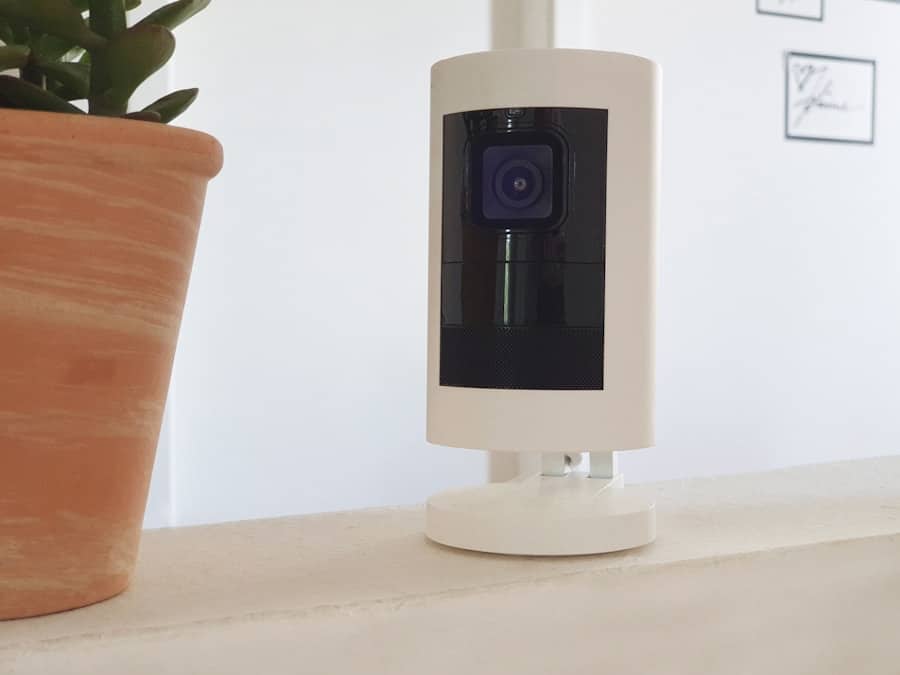
When considering the integration of security systems with smart home devices, it’s essential to familiarize yourself with the various types of devices that can enhance your security setup. Smart cameras are among the most popular options, providing real-time video feeds and alerts directly to your smartphone. These cameras can be strategically placed around your property to monitor entry points and other vulnerable areas, giving you a comprehensive view of your surroundings.
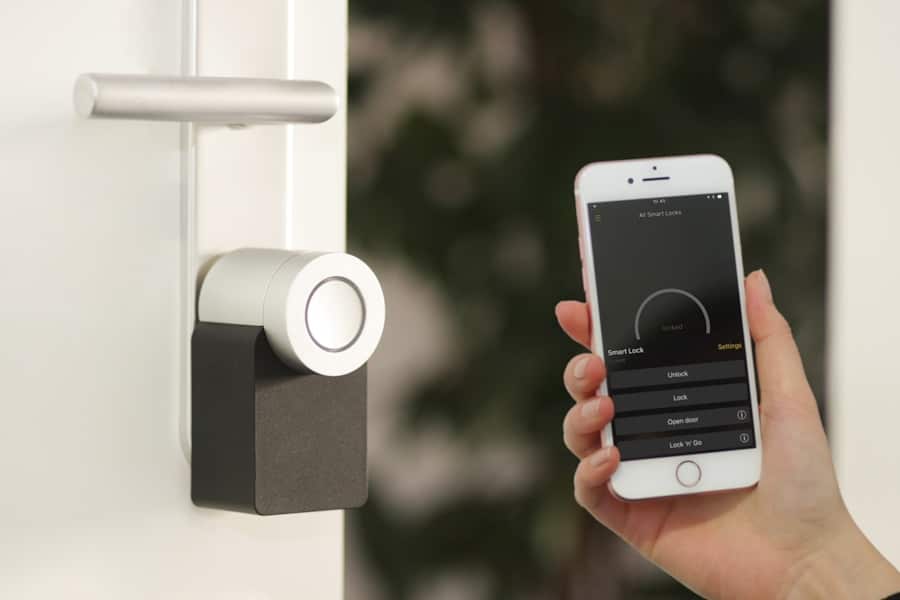
Another category worth exploring is smart locks. These devices allow you to control access to your home remotely, enabling you to lock or unlock doors from anywhere. You can even grant temporary access codes to guests or service providers, ensuring that you maintain control over who enters your home.
Additionally, smart lighting systems can be integrated into your security setup, allowing you to create schedules or automate lighting based on motion detection, further deterring potential intruders.
How to Integrate Security Systems with Smart Home Devices
Integrating your security system with smart home devices may seem daunting at first, but with a systematic approach, you can achieve a seamless connection. Start by assessing your current security system and identifying which smart home devices you wish to incorporate. It’s crucial to ensure that these devices are compatible with your existing system; checking manufacturer specifications and user reviews can provide valuable insights.
Once you’ve selected the appropriate devices, the next step is installation. Many modern smart home devices come with user-friendly apps that guide you through the setup process. You’ll typically need to connect each device to your home Wi-Fi network and link them through a central hub or app.
This central hub acts as the brain of your smart home ecosystem, allowing different devices to communicate with one another. After installation, take the time to customize settings and notifications according to your preferences, ensuring that you receive alerts that matter most to you.
Considerations for Integrating Security Systems with Smart Home Devices
As you embark on the journey of integrating security systems with smart home devices, there are several considerations to keep in mind. First and foremost is the importance of cybersecurity. With increased connectivity comes the risk of cyber threats; therefore, it’s vital to secure your network by using strong passwords and enabling two-factor authentication where possible.
Regularly updating device firmware can also help protect against vulnerabilities. Another consideration is the scalability of your system. As technology continues to advance, you may want to add more devices in the future.
Opting for a security system that allows for easy expansion will save you time and effort down the line. Additionally, consider the user experience; choose devices that are intuitive and easy to use for all members of your household. This ensures that everyone can benefit from the integrated system without feeling overwhelmed by complexity.
Common Challenges and Solutions for Integrating Security Systems with Smart Home Devices
Connectivity Issues
One common problem is that devices may struggle to communicate effectively if they are too far from the router or if there are physical obstructions in the way. To mitigate this issue, consider investing in Wi-Fi extenders or mesh networks that can enhance coverage throughout your home.
Compatibility Issues
Another challenge you might encounter is compatibility issues between different brands or models of devices. Not all manufacturers prioritize interoperability, which can lead to frustration when trying to connect various components. To address this, research products that are known for their compatibility with multiple platforms or consider using a universal hub that supports a wide range of devices.
A Proactive Approach
This proactive approach will help streamline the integration process and minimize potential headaches.
Best Practices for Integrating Security Systems with Smart Home Devices
To ensure a successful integration of security systems with smart home devices, adhering to best practices is essential. Start by creating a comprehensive plan that outlines which devices you want to integrate and how they will work together. This roadmap will serve as a guide throughout the installation process and help you stay organized.
Regular maintenance is another critical aspect of keeping your integrated system running smoothly. Schedule periodic checks on all devices to ensure they are functioning correctly and update software as needed. Additionally, consider setting up automated routines that enhance both convenience and security; for example, programming lights to turn on at dusk or having cameras send alerts when they detect motion during specific hours.
Future Trends in Integrating Security Systems with Smart Home Devices
As technology continues to advance at an unprecedented pace, the future of integrating security systems with smart home devices looks promising. One trend gaining traction is the use of artificial intelligence (AI) in security systems. AI-powered cameras can learn from their environment and adapt their monitoring strategies accordingly, providing more accurate alerts and reducing false alarms.
Another exciting development is the rise of voice-activated technology in home security. You may soon find yourself controlling various aspects of your security system through voice commands via virtual assistants like Amazon Alexa or Google Assistant. This hands-free approach not only enhances convenience but also allows for quicker responses in emergency situations.
In conclusion, integrating security systems with smart home devices presents an array of opportunities for enhancing safety and convenience in your living space. By understanding compatibility, exploring various device types, and following best practices for integration, you can create a cohesive ecosystem that meets your needs while staying ahead of future trends in technology. Embracing this integration not only elevates your home’s security but also enriches your overall living experience.
If you are considering integrating your security system with your smart home devices, you may also be interested in reading about how to choose the best home security service for ultimate protection. This article provides valuable insights into selecting the right security system for your home to ensure the safety and security of your loved ones. To learn more, check out this article.
FAQs
What is a security system?
A security system is a network of integrated electronic devices designed to protect a property from intruders or other potential threats.
What are smart home devices?
Smart home devices are electronic devices that can be controlled remotely or automated to perform certain tasks, such as lighting, heating, and security, often through a smartphone or other networked device.
Can I integrate my security system with my smart home devices?
Yes, many modern security systems are designed to be compatible with smart home devices, allowing users to control and monitor their security system through the same interface as their other smart home devices.
What are the benefits of integrating a security system with smart home devices?
Integrating a security system with smart home devices allows for centralized control and monitoring of all home automation and security functions, providing convenience and peace of mind for the homeowner.
What types of smart home devices can be integrated with a security system?
Smart home devices that can be integrated with a security system include smart locks, security cameras, motion sensors, door and window sensors, and alarm systems.
How can I integrate my security system with my smart home devices?
Integration methods vary depending on the specific security system and smart home devices, but typically involve connecting the devices to a central hub or using a compatible app or platform to control and monitor all devices together.