In today’s world, the importance of a robust home security system cannot be overstated. As you navigate through the myriad of options available, understanding the concept of home security system integration becomes crucial. Integration refers to the seamless connection of various security devices and systems, allowing them to work together harmoniously.
This interconnectedness not only enhances the overall security of your home but also simplifies the management of these systems. By integrating your security devices, you can create a comprehensive security network that provides real-time monitoring and alerts, ensuring that you are always aware of what is happening in and around your home. When you think about integration, consider how different devices can communicate with one another.
For instance, a smart doorbell camera can alert you when someone approaches your front door, while motion sensors can trigger lights to turn on automatically. This level of coordination not only deters potential intruders but also provides you with peace of mind. As you delve deeper into the world of home security, you will find that integration is not just about connecting devices; it’s about creating a cohesive system that enhances your safety and convenience.
Key Takeaways
- Understanding home security system integration is essential for creating a comprehensive and effective security setup for your home.
- There are various types of security system devices available, including cameras, motion sensors, door/window sensors, and smart locks, each serving a specific purpose in enhancing home security.
- Compatibility of security system devices with home alarm systems is crucial for seamless integration and optimal functionality.
- Integrating security system devices with home alarm systems offers benefits such as improved monitoring, remote access, and enhanced overall security for your home.
- When integrating security system devices, it’s important to consider factors such as the layout of your home, the specific security needs, and the technology compatibility to ensure a successful integration.
Types of Security System Devices
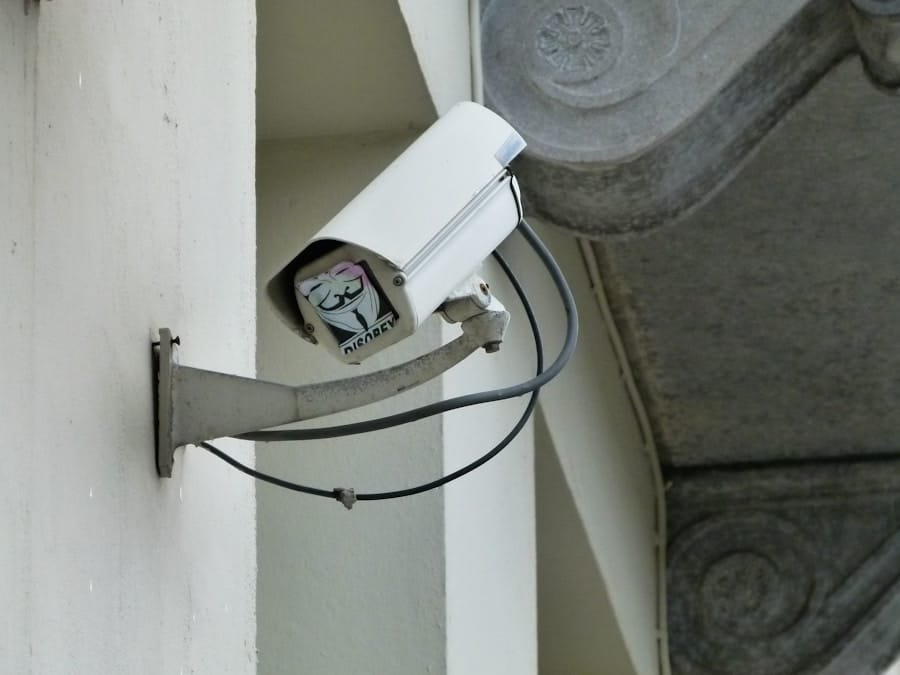
As you explore the various types of security system devices available, it’s essential to understand their unique functions and how they contribute to your overall security strategy. One of the most common devices is the surveillance camera, which allows you to monitor your property in real-time. These cameras come in various forms, including indoor and outdoor models, and can be equipped with features such as night vision and motion detection.
By placing cameras strategically around your home, you can keep an eye on vulnerable areas and deter potential intruders. Another critical component of a security system is the alarm system itself. These systems typically include door and window sensors that alert you when a breach occurs.
Additionally, many modern alarm systems are equipped with smart technology, allowing you to receive notifications on your smartphone or tablet. This level of connectivity ensures that you are always informed about the status of your home, even when you are away. Other devices, such as smart locks and motion detectors, further enhance your security by providing additional layers of protection and control.
Compatibility of Security System Devices with Home Alarm Systems
When considering the integration of various security devices, compatibility with your existing home alarm system is a vital factor. Not all devices are designed to work seamlessly with every alarm system, so it’s essential to do your research before making any purchases. Many manufacturers provide compatibility information on their websites or in product manuals, allowing you to determine which devices will work best with your current setup.
By ensuring compatibility, you can avoid potential headaches down the line and create a more efficient security network. In addition to checking compatibility, it’s also wise to consider the communication protocols used by different devices. Many modern security systems utilize Wi-Fi or Z-Wave technology for communication, while others may rely on Bluetooth or proprietary protocols.
Understanding these differences will help you select devices that can easily integrate with your alarm system without requiring extensive modifications or additional equipment. By prioritizing compatibility, you can streamline the integration process and enhance the overall effectiveness of your home security system.
Benefits of Integrating Security System Devices with Home Alarm Systems
Integrating security system devices with your home alarm system offers numerous benefits that extend beyond mere convenience. One of the most significant advantages is the enhanced level of protection it provides. When all your devices work together, they create a comprehensive security network that can respond more effectively to potential threats.
For example, if a motion sensor detects movement outside your home, it can trigger your surveillance cameras to start recording while simultaneously alerting you via your smartphone. This coordinated response can be crucial in preventing break-ins and ensuring your safety. Another benefit of integration is the ease of management it offers.
With a unified system, you can control all your security devices from a single app or interface. This centralized control allows you to monitor your home’s security status in real-time, adjust settings, and receive alerts without having to switch between multiple applications or devices. Additionally, many integrated systems offer automation features that enable you to set schedules for when certain devices should be active or inactive.
This level of control not only enhances your security but also adds convenience to your daily life.
Considerations for Integrating Security System Devices
As you embark on the journey of integrating security system devices with your home alarm system, there are several considerations to keep in mind. First and foremost is the budget. While investing in high-quality security devices is essential for effective protection, it’s crucial to establish a budget that aligns with your financial situation.
Consider prioritizing essential devices first and gradually adding more features as your budget allows. This approach ensures that you don’t overspend while still enhancing your home’s security. Another important consideration is the layout of your home and the specific areas that require monitoring.
Take the time to assess vulnerable points such as entryways, windows, and garages. By identifying these areas, you can strategically place cameras and sensors for maximum effectiveness. Additionally, consider how often you are away from home and whether you need remote access to your security system.
These factors will help guide your decisions as you select devices for integration.
Steps to Integrate Security System Devices with Home Alarm Systems

Integrating security system devices with your home alarm system may seem daunting at first, but by following a few straightforward steps, you can simplify the process significantly. Start by conducting thorough research on the devices you wish to integrate. Look for products that are compatible with your existing alarm system and read reviews from other users to gauge their effectiveness and reliability.
Once you have selected the appropriate devices, begin by installing them according to the manufacturer’s instructions. Ensure that each device is placed in an optimal location for monitoring and protection. After installation, take the time to configure each device within your alarm system’s app or interface.
This step typically involves connecting each device to your Wi-Fi network or pairing it with your alarm system using Bluetooth or another communication protocol.
Common Challenges and Solutions for Integration
While integrating security system devices can enhance your home’s safety, it’s not without its challenges. One common issue is connectivity problems between devices and the alarm system. If devices are not communicating effectively, it can lead to gaps in coverage or delayed alerts.
To address this challenge, ensure that all devices are within range of your Wi-Fi network and consider using Wi-Fi extenders if necessary. Another challenge may arise from software updates or compatibility issues between different brands or models of devices. To mitigate this risk, regularly check for firmware updates for all your devices and ensure they are running the latest software versions.
Additionally, consider sticking to products from reputable manufacturers known for their compatibility with various systems. By staying proactive about these challenges, you can maintain a reliable and effective integrated security system.
Future Trends in Home Security System Integration
As technology continues to evolve, so too does the landscape of home security system integration. One notable trend is the increasing use of artificial intelligence (AI) in security devices. AI-powered cameras can now analyze video feeds in real-time, distinguishing between familiar faces and potential intruders.
This capability not only enhances security but also reduces false alarms caused by pets or passing vehicles. Another trend is the growing popularity of smart home ecosystems that allow for greater integration between various devices beyond just security systems. As more homeowners adopt smart technology for lighting, heating, and appliances, integrating these systems with security measures will become increasingly common.
This interconnectedness will enable homeowners like yourself to create customized routines that enhance both convenience and safety. In conclusion, understanding home security system integration is essential for creating a safe living environment. By exploring different types of security devices, ensuring compatibility with existing systems, and considering various factors during integration, you can build a comprehensive security network tailored to your needs.
As technology advances, staying informed about future trends will further empower you to make informed decisions about enhancing your home’s safety and convenience.
If you are looking to protect your home with professional security services, you may want to consider integrating security system devices with your home alarm system. This can provide an added layer of protection and peace of mind for you and your family. For more information on home security system services in El Paso, Texas or Modesto, California, check out this article.
FAQs
What is a home alarm system?
A home alarm system is a network of integrated electronic devices designed to alert homeowners and authorities in the event of a security breach, such as a break-in or fire.
What are security system devices?
Security system devices are individual components of a home security system, such as door and window sensors, motion detectors, surveillance cameras, and smart locks.
Can I integrate security system devices with my home alarm system?
Yes, many home alarm systems are designed to be compatible with a wide range of security system devices, allowing homeowners to customize and expand their security setup as needed.
How do I integrate security system devices with my home alarm system?
Integrating security system devices with a home alarm system typically involves following the manufacturer’s instructions for connecting and configuring the devices within the alarm system’s control panel or mobile app.
What are the benefits of integrating security system devices with a home alarm system?
Integrating security system devices with a home alarm system can provide enhanced protection and convenience, allowing homeowners to monitor and control their security setup from a single interface.