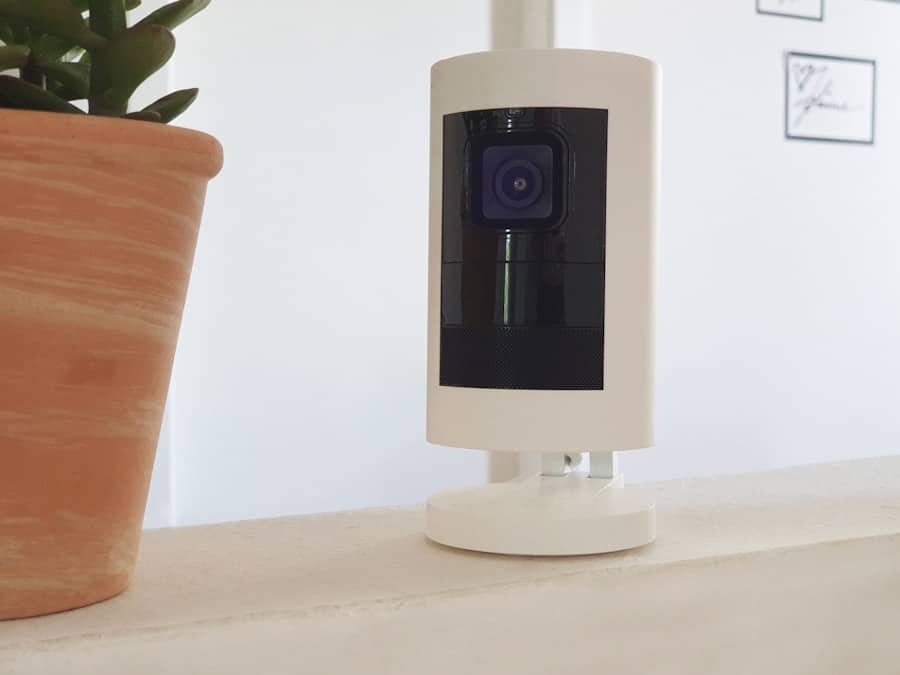
When you embark on the journey of enhancing your home security, understanding the compatibility of advanced devices is crucial. You may find yourself overwhelmed by the myriad of options available, from smart cameras to motion detectors and alarm systems. Each device comes with its own set of features and specifications, and not all of them will work seamlessly together.
To ensure that your security system functions optimally, you need to consider how these devices communicate with one another. Many modern security devices utilize Wi-Fi, Bluetooth, or proprietary protocols, which can affect their ability to integrate smoothly. Moreover, compatibility extends beyond mere connectivity; it also involves the software that powers these devices.
You should look for devices that can be controlled through a single app or platform. This not only simplifies your user experience but also enhances the overall effectiveness of your security system. For instance, if your smart doorbell can communicate with your security cameras and alarm system, you can receive real-time alerts and monitor your home from a single interface.
Therefore, before making any purchases, take the time to research and ensure that the devices you choose can work together harmoniously.
Key Takeaways
- Understanding compatibility is crucial when integrating multiple advanced home security devices
- Potential challenges of using multiple devices include connectivity issues and interoperability
- Tips for effectively using multiple devices include regular updates and maintenance
- Choosing the right devices for your needs involves considering your home layout and security priorities
- Maximizing benefits of using multiple devices requires seamless communication and future-proofing for upcoming trends
Integrating Multiple Advanced Home Security Devices
Integrating multiple advanced home security devices can significantly enhance your home’s safety profile. Imagine a scenario where your smart doorbell camera detects motion and sends an alert to your smartphone. At the same time, your indoor security camera begins recording, and your smart lights turn on to deter any potential intruders.
This level of integration not only provides you with comprehensive coverage but also allows for a proactive approach to home security. By connecting various devices, you create a network that works in unison to protect your home. To achieve this level of integration, you may want to consider using a central hub or a smart home platform that supports multiple devices.
Many brands offer hubs that can connect various security devices, allowing them to communicate effectively. This means that when one device is triggered, it can send signals to others in the network, creating a chain reaction that enhances your security measures. Additionally, many of these platforms offer automation features, enabling you to set specific actions based on certain triggers.
For example, you could program your system to lock all doors and activate the alarm when you leave home, providing peace of mind while you’re away.
Potential Challenges of Using Multiple Advanced Home Security Devices
While integrating multiple advanced home security devices offers numerous benefits, it is not without its challenges. One of the primary concerns is the potential for connectivity issues. If your Wi-Fi signal is weak or inconsistent, it can lead to delays in notifications or even complete failures in device communication.
This could leave gaps in your security coverage when you need it most. Therefore, ensuring a robust internet connection throughout your home is essential for maintaining the effectiveness of your security system. Another challenge lies in managing the complexity of multiple devices.
As you add more components to your security setup, the likelihood of encountering compatibility issues increases. You may find yourself juggling different apps and interfaces, which can be cumbersome and confusing. Additionally, troubleshooting problems can become more complicated when multiple devices are involved.
To mitigate these challenges, it’s important to choose devices from reputable brands known for their reliability and customer support. This way, if issues arise, you have access to resources that can help you resolve them quickly.
Tips for Effectively Using Multiple Advanced Home Security Devices
To make the most out of your advanced home security devices, consider implementing a few strategic tips. First and foremost, take the time to familiarize yourself with each device’s features and capabilities. Understanding how each component works will enable you to utilize them more effectively and maximize their potential.
For instance, knowing how to adjust the sensitivity settings on your motion detectors can help reduce false alarms while ensuring that genuine threats are detected promptly. Another important tip is to regularly update the firmware and software of your devices. Manufacturers often release updates that enhance functionality and improve security features.
By keeping your devices up-to-date, you not only ensure optimal performance but also protect against vulnerabilities that could be exploited by cybercriminals. Additionally, consider setting up notifications for critical events so that you are always informed about what’s happening in and around your home.
Choosing the Right Advanced Home Security Devices for Your Needs
Selecting the right advanced home security devices tailored to your specific needs is essential for creating an effective security system. Start by assessing your home’s layout and identifying vulnerable areas that require monitoring. For instance, if you have a large yard or multiple entry points, investing in outdoor cameras and motion sensors may be necessary.
Conversely, if you live in a smaller space, a comprehensive indoor camera system might suffice. Furthermore, consider your lifestyle and how it impacts your security needs. If you travel frequently or spend long hours away from home, devices with remote monitoring capabilities will be invaluable.
Look for systems that allow you to access live feeds from your cameras or receive alerts on your smartphone when unusual activity is detected. Additionally, think about whether you prefer DIY installation or professional monitoring services; this decision will influence the types of devices you choose.
Maximizing the Benefits of Using Multiple Advanced Home Security Devices
Enhancing Convenience and Security
For example, you could program your smart lights to turn on automatically when your doorbell camera detects motion at night. This not only deters potential intruders but also provides illumination for anyone arriving at your doorstep.
Leveraging Data Analytics
Moreover, consider leveraging data analytics provided by some advanced systems. Many modern security devices come equipped with features that analyze patterns in activity around your home.
Staying Proactive
By reviewing this data regularly, you can identify trends or unusual behaviors that may warrant further investigation. This proactive approach allows you to stay one step ahead of potential threats while ensuring that your home remains a safe haven.
Ensuring Seamless Communication Between Multiple Advanced Home Security Devices
Ensuring seamless communication between multiple advanced home security devices is vital for maintaining an effective security system. One way to achieve this is by utilizing devices that adhere to common communication standards such as Z-Wave or Zigbee. These protocols facilitate interoperability among different brands and types of devices, allowing them to work together more efficiently.
Additionally, consider investing in a robust central hub that acts as the brain of your security system. A well-designed hub can manage communication between various devices and streamline their operation through a single interface. This not only simplifies user experience but also enhances reliability by reducing the chances of connectivity issues between devices.
Regularly testing the communication between devices will help ensure they are functioning as intended and provide peace of mind knowing that your system is operating optimally.
Future Trends in Advanced Home Security Device Integration
As technology continues to evolve, so too does the landscape of advanced home security device integration. One notable trend is the increasing use of artificial intelligence (AI) in security systems. AI-powered cameras can now differentiate between familiar faces and strangers, reducing false alarms while enhancing overall security measures.
This technology allows for more personalized monitoring experiences tailored to individual households. Another emerging trend is the integration of smart home ecosystems with advanced security systems. As more homeowners adopt smart home technologies, there is a growing demand for seamless integration between various devices—ranging from thermostats to lighting systems—alongside security measures.
This convergence not only enhances convenience but also creates opportunities for more sophisticated automation routines that improve both safety and energy efficiency in homes. In conclusion, navigating the world of advanced home security devices requires careful consideration of compatibility, integration strategies, and potential challenges. By following best practices and staying informed about future trends, you can create a robust security system tailored to your unique needs while maximizing its effectiveness in protecting your home and loved ones.
If you are considering using multiple advanced home security devices simultaneously, you may want to read the article