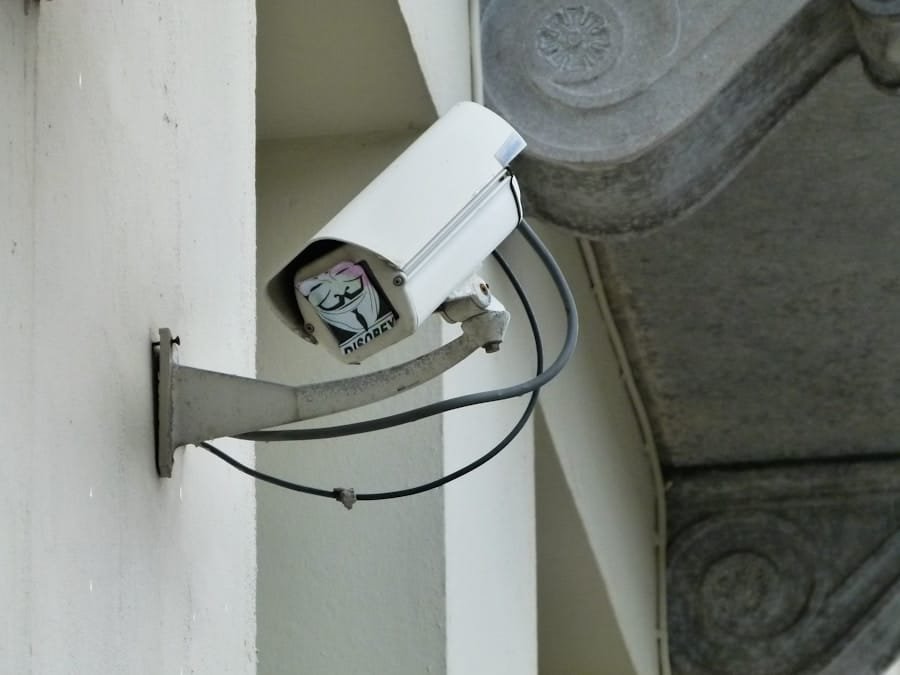
When it comes to safeguarding your home, understanding your security system is the first step toward ensuring your peace of mind. A security system typically comprises various components, including alarms, sensors, and cameras, all working together to create a protective barrier around your property. Familiarizing yourself with these elements is crucial, as it allows you to make informed decisions about upgrades or modifications that may enhance your security.
You should take the time to read through the user manual and explore the features of your system, as this knowledge will empower you to utilize it effectively. Moreover, understanding how your security system operates can help you identify potential vulnerabilities. For instance, knowing the range of your motion sensors or the coverage area of your cameras can guide you in positioning them optimally.
You might also want to consider the types of threats that are most relevant to your area, whether they be burglary, vandalism, or even natural disasters. By assessing these risks and understanding how your system addresses them, you can tailor your security measures to fit your specific needs.
Key Takeaways
- Understanding your security system is crucial for maximizing its effectiveness and ensuring proper usage.
- Integrating security cameras with your system provides an added layer of protection and surveillance for your home.
- Monitoring your home with security cameras allows you to keep an eye on your property and loved ones, even when you’re away.
- Remote access and control of your security system and cameras give you the flexibility to manage and monitor your home from anywhere.
- Utilizing motion detection and alerts helps to notify you of any suspicious activity and potential security threats in real-time.
Integrating Security Cameras with Your System
Integrating security cameras into your existing security system can significantly enhance your home’s safety. Cameras serve as both a deterrent and a means of monitoring activities around your property. When selecting cameras, consider factors such as resolution, night vision capabilities, and whether they are wired or wireless.
Each type has its advantages; for example, wired cameras often provide a more stable connection, while wireless options offer flexibility in placement. You should evaluate your home’s layout and choose cameras that will cover critical areas such as entry points, driveways, and backyards. Once you have selected the appropriate cameras, the next step is to integrate them with your security system.
This process may involve connecting the cameras to a central hub or app that allows you to monitor feeds in real-time. Many modern systems offer user-friendly interfaces that make this integration seamless. You may also want to explore features like two-way audio or cloud storage options that can enhance the functionality of your cameras.
By ensuring that your cameras are well-integrated with your security system, you create a comprehensive surveillance network that can provide you with valuable insights into your home’s safety.
Monitoring Your Home with Security Cameras
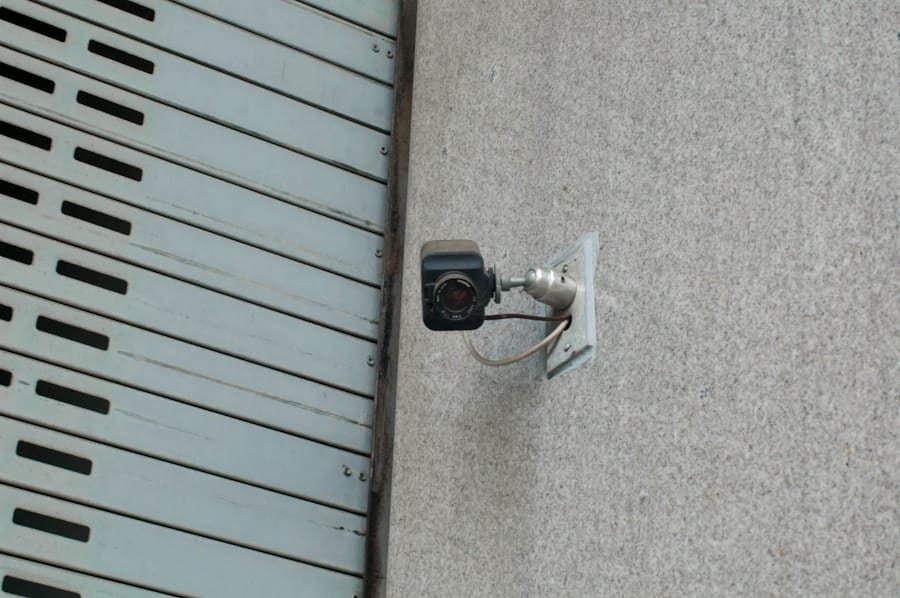
Monitoring your home through security cameras offers a layer of protection that can be invaluable in today’s world. With advancements in technology, many cameras now come equipped with high-definition video quality and wide-angle lenses, allowing you to capture clear images of any activity around your property. You can set up live feeds that enable you to check in on your home at any time, whether you’re at work or on vacation.
This capability not only provides peace of mind but also allows you to respond quickly to any suspicious activity. In addition to live monitoring, many security cameras offer playback features that let you review footage from previous days or weeks. This can be particularly useful if you need to investigate an incident or verify an event that occurred while you were away.
You might find it helpful to establish a routine for checking your camera feeds regularly, ensuring that you stay informed about what’s happening around your home. By actively monitoring your property, you can deter potential intruders and maintain a secure environment for yourself and your family.
Remote Access and Control
One of the most significant advantages of modern security systems is the ability to access and control them remotely. With mobile apps designed for security management, you can monitor your home from virtually anywhere in the world. This feature is particularly beneficial for those who travel frequently or have busy lifestyles.
Imagine being able to check on your home while at work or receiving alerts when someone approaches your front door; this level of control can significantly enhance your sense of security. Remote access also allows you to manage various aspects of your security system from afar. You can arm or disarm alarms, adjust camera settings, and even receive notifications about unusual activity—all from the convenience of your smartphone or tablet.
This capability not only provides peace of mind but also enables you to respond promptly to any potential threats. By taking advantage of remote access features, you can ensure that your home remains secure no matter where life takes you.
Utilizing Motion Detection and Alerts
Motion detection technology is a game-changer when it comes to home security. By setting up motion sensors within your security system, you can receive real-time alerts whenever movement is detected in designated areas. This feature is particularly useful for monitoring entry points such as doors and windows or for keeping an eye on outdoor spaces like driveways and backyards.
You should customize the sensitivity settings of these sensors to minimize false alarms caused by pets or passing vehicles. In addition to alerts, many systems allow you to configure automated responses when motion is detected. For instance, you could set up your cameras to start recording automatically or trigger an alarm if unauthorized movement occurs during specific hours.
This proactive approach not only enhances your security but also provides valuable evidence in case of an incident. By utilizing motion detection effectively, you can create a more responsive and vigilant security environment for your home.
Storage and Retrieval of Footage
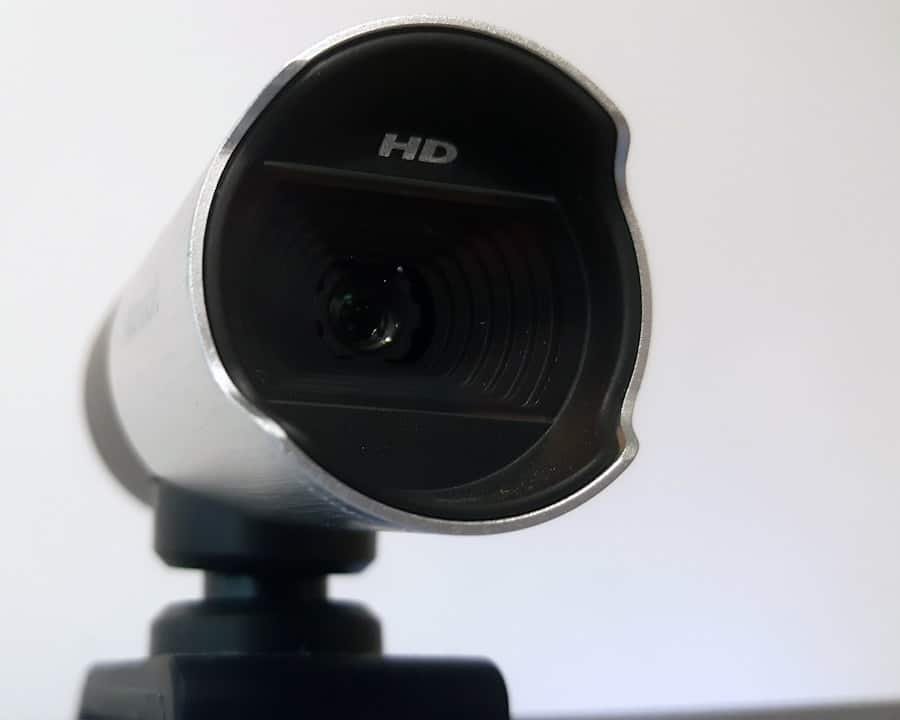
The storage and retrieval of footage captured by your security cameras are critical components of an effective security system. Depending on the type of system you have, footage can be stored locally on a hard drive or remotely in the cloud. Local storage offers quick access but may be vulnerable to theft or damage if an intruder breaks into your home.
On the other hand, cloud storage provides a secure backup option that allows you to access footage from anywhere but may come with subscription fees. When setting up storage options, consider how long you want to retain footage before it gets overwritten. Many systems allow you to customize these settings based on your needs; for example, if you live in an area with higher crime rates, you might want to keep footage for a longer period for added peace of mind.
Additionally, familiarize yourself with the retrieval process so that you can quickly access footage if needed. Whether for personal review or legal purposes, knowing how to retrieve and share footage efficiently can be invaluable in ensuring your home’s safety.
Privacy and Legal Considerations
While enhancing your home’s security is essential, it’s equally important to consider privacy and legal implications associated with surveillance systems. You should be aware of local laws regarding video recording, especially if cameras are positioned in areas where they might capture footage of neighbors or public spaces. In many jurisdictions, it’s illegal to record audio without consent or to invade someone’s privacy through surveillance.
Familiarizing yourself with these regulations will help you avoid potential legal issues while still maintaining a secure environment. Additionally, consider how surveillance may impact the privacy of those living in or visiting your home. It’s advisable to communicate openly with family members about the presence of cameras and their purpose.
Transparency fosters trust and ensures everyone feels comfortable within their own space. By balancing security needs with privacy considerations, you can create a safe yet respectful environment for everyone involved.
Enhancing Home Security with Additional Features
To further bolster your home security system, consider integrating additional features that complement existing measures. Smart home technology has made it easier than ever to enhance security through automation and connectivity. For instance, smart locks allow you to control access to your home remotely, enabling you to grant entry to guests without being physically present.
Similarly, smart lighting systems can be programmed to simulate occupancy by turning lights on and off at specific times, deterring potential intruders. Another feature worth considering is alarm monitoring services that provide professional oversight of your security system. These services can alert authorities in case of emergencies, ensuring a swift response when needed.
Additionally, integrating environmental sensors for smoke or carbon monoxide detection adds another layer of safety that protects against non-criminal threats. By exploring these additional features and customizing them according to your lifestyle and needs, you can create a comprehensive security solution that offers unparalleled protection for your home and loved ones. In conclusion, understanding and effectively utilizing a comprehensive security system is essential for safeguarding your home against various threats.
By integrating security cameras, leveraging remote access features, utilizing motion detection technology, and considering privacy implications, you can create a robust defense strategy tailored specifically for your needs. As technology continues to evolve, staying informed about new features and enhancements will ensure that you maintain a secure environment for yourself and those who matter most.
If you are interested in learning more about the role of home security systems in crime prevention, you should check out the article The Role of Home Security Systems in Crime Prevention. This article discusses how security systems can help deter criminals and protect your home. It also highlights the importance of having a security system in place to enhance your home safety. Additionally, if you are looking for tips on how to enhance your home security through landscaping, you may want to read the article Secure Landscaping: Natural Barriers and Planting Ideas. This article provides valuable information on how to use landscaping to create natural barriers and increase the security of your property.
FAQs
What is a security system?
A security system is a network of integrated electronic devices designed to protect a property from intruders or other potential threats.
Can I use my security system to monitor my home?
Yes, many modern security systems come with the option to monitor your home remotely through a smartphone app or a web portal.
What are security cameras?
Security cameras are devices that capture and record video footage of a specific area for the purpose of surveillance and security.
Can I use security cameras as part of my security system?
Yes, security cameras can be integrated into a security system to provide visual monitoring of a property.
What are the benefits of using security cameras in a security system?
Security cameras can provide visual evidence of any security breaches, deter potential intruders, and allow for remote monitoring of a property.
Are there any privacy concerns with using security cameras in a security system?
Yes, it is important to consider privacy concerns when using security cameras, especially if they are monitoring areas where individuals have a reasonable expectation of privacy, such as inside a home. It is important to comply with local laws and regulations regarding the use of security cameras.