
In the modern world, camera technology has become an integral part of our daily lives, influencing various sectors from security to entertainment. You may not realize it, but cameras are everywhere, embedded in smartphones, laptops, and even home appliances. The evolution of camera technology has been remarkable, transitioning from simple film-based systems to sophisticated digital devices capable of capturing high-resolution images and videos.
This transformation has not only enhanced the quality of visual media but has also paved the way for advanced functionalities such as real-time monitoring and intelligent detection systems. As you delve deeper into the realm of camera technology, you will discover that it encompasses a wide array of features and capabilities. From basic point-and-shoot cameras to complex surveillance systems equipped with artificial intelligence, the landscape is diverse and continually evolving.
The integration of machine learning algorithms has enabled cameras to perform tasks that were once thought to be the exclusive domain of human observers. This has led to significant advancements in areas such as human, animal, and vehicle detection, which are crucial for applications ranging from public safety to wildlife conservation.
Key Takeaways
- Camera technology has advanced significantly, allowing for improved detection of humans, animals, and vehicles.
- Differences in human, animal, and vehicle detection include size, movement patterns, and visual characteristics.
- Factors affecting detection accuracy include lighting conditions, camera resolution, and environmental obstacles.
- Advancements in camera technology, such as AI and machine learning, have enhanced detection capabilities.
- Applications for human, animal, and vehicle detection include security, surveillance, and traffic monitoring.
Differences in Human, Animal, and Vehicle Detection
When it comes to detection capabilities, cameras exhibit distinct differences in how they identify humans, animals, and vehicles. You might find it fascinating that each category requires unique algorithms and processing techniques tailored to their specific characteristics. For instance, human detection often relies on recognizing facial features, body shapes, and movement patterns.
Advanced systems can even analyze gait and posture to differentiate between individuals. This level of sophistication allows for applications such as facial recognition in security systems or tracking individuals in crowded spaces. On the other hand, animal detection poses its own set of challenges.
Unlike humans, animals come in various shapes and sizes, and their movements can be unpredictable. You may have noticed that wildlife cameras often utilize infrared technology to capture images without disturbing animals in their natural habitats. These cameras are designed to recognize specific patterns associated with different species, enabling researchers to monitor wildlife populations effectively.
The algorithms used for animal detection must account for factors such as camouflage and varying behaviors across species, making this a complex yet rewarding area of study. Vehicle detection is another critical aspect of camera technology that has gained prominence in recent years. You might be aware that traffic management systems rely heavily on accurate vehicle detection to monitor road conditions and manage congestion.
Cameras equipped with license plate recognition technology can identify vehicles based on their registration numbers, providing valuable data for law enforcement and urban planning. The algorithms used for vehicle detection often focus on shape recognition and movement analysis, allowing for real-time monitoring of traffic flow and the identification of potential violations.
Factors Affecting Detection Accuracy
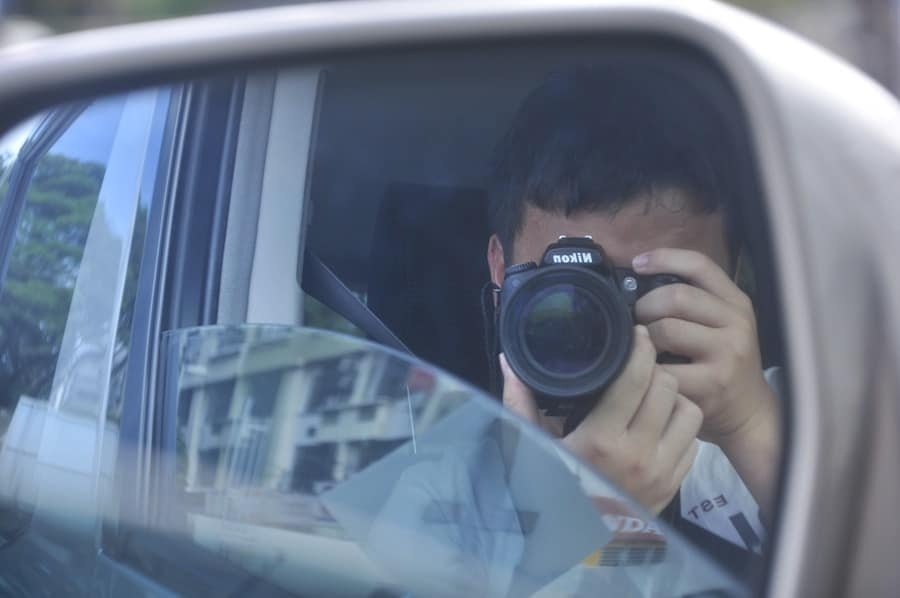
As you explore the intricacies of camera technology, it’s essential to understand the various factors that can influence detection accuracy. One significant aspect is the quality of the camera itself. High-resolution cameras with advanced sensors can capture more detail, leading to improved detection rates.
You may have noticed that many modern surveillance systems utilize 4K resolution cameras to enhance clarity and precision in identifying subjects. However, even the best cameras can struggle under certain conditions, such as low light or adverse weather. Environmental factors also play a crucial role in detection accuracy.
For instance, you might find that heavy rain or fog can obscure visibility, making it challenging for cameras to detect objects effectively. Additionally, the placement of cameras is vital; if a camera is positioned at an awkward angle or obstructed by objects, its ability to capture accurate data diminishes significantly. Understanding these variables is essential for optimizing camera systems and ensuring they perform at their best in various conditions.
Another critical factor affecting detection accuracy is the algorithms used for processing the captured data. You may be surprised to learn that even minor adjustments in algorithm parameters can lead to significant changes in performance. Machine learning models require extensive training on diverse datasets to improve their accuracy over time.
If a model is trained primarily on images from one environment or demographic group, it may struggle when applied to different contexts. Continuous refinement and adaptation of these algorithms are necessary to maintain high levels of accuracy across various scenarios.
Advancements in Camera Technology
The field of camera technology is witnessing rapid advancements that are reshaping how we perceive and utilize visual data. You may have heard about the integration of artificial intelligence (AI) into camera systems, which has revolutionized detection capabilities. AI-powered cameras can analyze vast amounts of data in real-time, allowing them to identify patterns and make decisions without human intervention.
This has led to significant improvements in areas such as security surveillance, where AI can detect unusual behavior or potential threats more efficiently than traditional methods. Moreover, advancements in image processing techniques have enhanced the clarity and detail captured by cameras. You might be intrigued by technologies like HDR (High Dynamic Range) imaging, which allows cameras to capture a broader range of light levels in a single shot.
This capability is particularly beneficial in challenging lighting conditions, enabling better detection of subjects against complex backgrounds. Additionally, innovations such as 360-degree cameras provide comprehensive coverage of an area, ensuring that no blind spots exist in surveillance applications. Another exciting development is the rise of edge computing in camera technology.
Instead of relying solely on centralized servers for data processing, edge computing allows cameras to process information locally. This reduces latency and enhances real-time decision-making capabilities. You may appreciate how this advancement is particularly valuable in scenarios where immediate responses are crucial, such as traffic management or security alerts.
By minimizing the time it takes to analyze data and respond accordingly, edge computing significantly enhances the overall effectiveness of camera systems.
Applications for Human, Animal, and Vehicle Detection
The applications for human, animal, and vehicle detection are vast and varied, reflecting the versatility of modern camera technology. In the realm of security and surveillance, you might find that human detection systems are employed in public spaces such as airports, shopping malls, and stadiums to enhance safety measures. These systems can identify suspicious behavior or track individuals across multiple camera feeds, providing law enforcement with valuable insights into potential threats.
In wildlife conservation efforts, animal detection technologies play a crucial role in monitoring endangered species and studying their behaviors. You may have come across projects utilizing camera traps equipped with motion sensors to capture images of wildlife without human interference. This non-invasive approach allows researchers to gather essential data on animal populations and their habitats while minimizing disturbances.
Vehicle detection applications are equally significant, particularly in urban planning and traffic management. You might be aware that smart cities are increasingly adopting camera systems to monitor traffic flow and optimize signal timings at intersections. By analyzing real-time data on vehicle movements, city planners can make informed decisions about infrastructure improvements and congestion management strategies.
Challenges and Limitations in Detection

Despite the remarkable advancements in camera technology, several challenges and limitations persist in the realm of detection capabilities. One major hurdle is the issue of privacy concerns associated with surveillance systems. As you navigate through public spaces equipped with cameras, you may feel uneasy about being constantly monitored.
Striking a balance between security needs and individual privacy rights remains a contentious issue that requires careful consideration. Another challenge lies in the potential for false positives or negatives in detection systems. You might have experienced instances where a security alarm was triggered by a harmless object or where a vehicle went unnoticed due to poor lighting conditions.
These inaccuracies can undermine the effectiveness of surveillance systems and lead to unnecessary panic or complacency among users. Additionally, the reliance on technology introduces vulnerabilities related to cybersecurity threats. As camera systems become more interconnected through networks and cloud services, they become susceptible to hacking attempts that could compromise sensitive data or disrupt operations.
Ensuring robust security measures are in place is essential for maintaining trust in these technologies.
Future Developments in Camera Technology
Looking ahead, you can expect exciting developments in camera technology that will further enhance detection capabilities across various domains. One promising area is the integration of augmented reality (AR) with camera systems. Imagine wearing AR glasses that provide real-time information about your surroundings based on what the camera detects—this could revolutionize how you interact with your environment.
Moreover, advancements in sensor technology will likely lead to even higher resolution images and improved low-light performance. You may find yourself captivated by cameras capable of capturing details previously thought impossible under challenging conditions. This could have profound implications for fields such as forensic analysis or wildlife research.
The continued evolution of machine learning algorithms will also play a pivotal role in shaping the future of camera technology. As these algorithms become more sophisticated through ongoing training on diverse datasets, you can anticipate significant improvements in accuracy and reliability across various applications. This will enable more effective human, animal, and vehicle detection systems that adapt seamlessly to changing environments.
Conclusion and Implications for Security and Surveillance
In conclusion, the advancements in camera technology have transformed how we perceive our surroundings and interact with them daily. As you reflect on the differences between human, animal, and vehicle detection capabilities, it’s clear that each area presents unique challenges and opportunities for innovation. The factors affecting detection accuracy highlight the importance of quality hardware and sophisticated algorithms working together harmoniously.
As we move forward into an era where surveillance becomes increasingly prevalent, it is crucial to address the challenges associated with privacy concerns and cybersecurity threats while maximizing the benefits these technologies offer. The future developments on the horizon promise exciting possibilities that could reshape our understanding of security and surveillance. Ultimately, as you navigate this rapidly evolving landscape of camera technology, consider how these advancements will impact not only your personal experiences but also broader societal implications for safety and conservation efforts worldwide.
The journey ahead is filled with potential—one where intelligent detection systems enhance our lives while respecting our rights as individuals.
If you are interested in ensuring the safety of your home with expert security services, you may want to check out this article on how to ensure the safety of your home with expert security services. This article provides valuable information on how to protect your home and loved ones with the help of professional security services. It is important to have a secure home design and building with safety in mind, as discussed in another related article on secure home design and building with safety in mind. Additionally, having a reliable home security system service in place, such as the one offered in Little Rock, Arkansas, can further enhance the security of your property, as highlighted in this article on