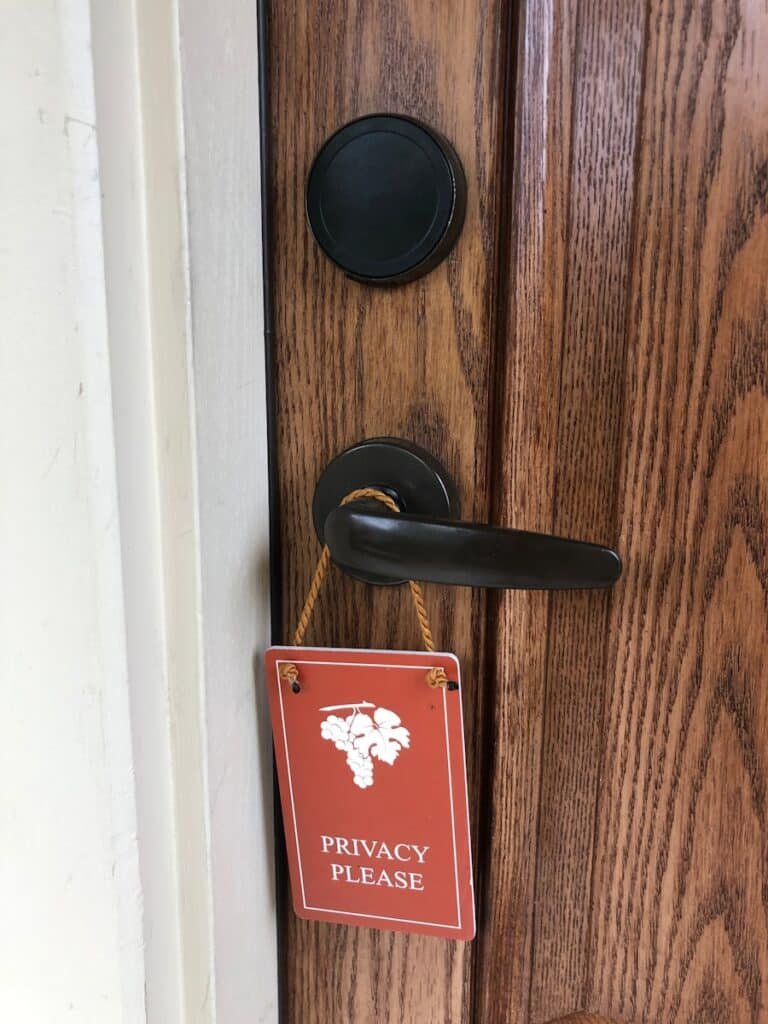
In today’s interconnected world, smart devices have become an integral part of our daily lives. From smart thermostats that learn your heating preferences to security cameras that allow you to monitor your home remotely, these devices offer convenience and efficiency. However, with this convenience comes a significant responsibility: ensuring the security of these devices.
As you embrace the benefits of smart technology, it is crucial to recognize the potential vulnerabilities that accompany them. Cybercriminals are increasingly targeting smart devices, exploiting weaknesses to gain unauthorized access to personal information or even control over your home. The importance of securing your smart devices cannot be overstated.
A compromised device can lead to a cascade of security breaches, affecting not only your privacy but also the safety of your home and family. Imagine a scenario where a hacker gains access to your smart lock, allowing them to enter your home without your knowledge. This is not just a theoretical risk; there have been numerous instances where individuals have fallen victim to such attacks.
By prioritizing smart device security, you can protect yourself from these threats and enjoy the benefits of technology without fear.
Key Takeaways
- Smart device security is crucial for protecting personal and sensitive information from unauthorized access and tampering.
- Smart devices can be tampered with through hacking, physical manipulation, or exploiting vulnerabilities in the device’s software or network.
- Integrating smart devices with a security system can provide real-time monitoring and alerts for any tampering or unauthorized access.
- Security systems can provide alerts for unauthorized access, tampering, motion detection, and even fire or carbon monoxide detection.
- Setting up alerts for smart device tampering involves configuring the security system to notify users of any suspicious activity or unauthorized access.
- Responding to alerts and tampering incidents requires immediate action, such as contacting authorities, disconnecting the affected devices, and changing passwords.
- Additional security measures for smart devices include using strong passwords, enabling two-factor authentication, and regularly updating device firmware and software.
- Ensuring the security of smart devices involves regularly monitoring and updating security settings, as well as staying informed about potential security threats and vulnerabilities.
How Smart Devices Can Be Tampered With
Understanding how smart devices can be tampered with is essential for safeguarding your home. One common method employed by cybercriminals is exploiting weak passwords. Many users opt for default passwords or simple combinations that are easy to guess, making it simple for hackers to gain access.
Once inside, they can manipulate the device settings or even use it as a gateway to infiltrate your entire network. This highlights the importance of creating strong, unique passwords for each device and changing them regularly. Another method of tampering involves exploiting vulnerabilities in the device’s software.
Manufacturers often release updates to patch security flaws, but many users neglect to install these updates promptly. Cybercriminals are aware of this tendency and may take advantage of outdated software to launch attacks. Additionally, some devices may have hardcoded credentials or lack encryption, making them particularly susceptible to tampering.
By staying informed about the latest security updates and ensuring that your devices are running the most current software, you can significantly reduce the risk of tampering.
Integrating Smart Devices with Your Security System
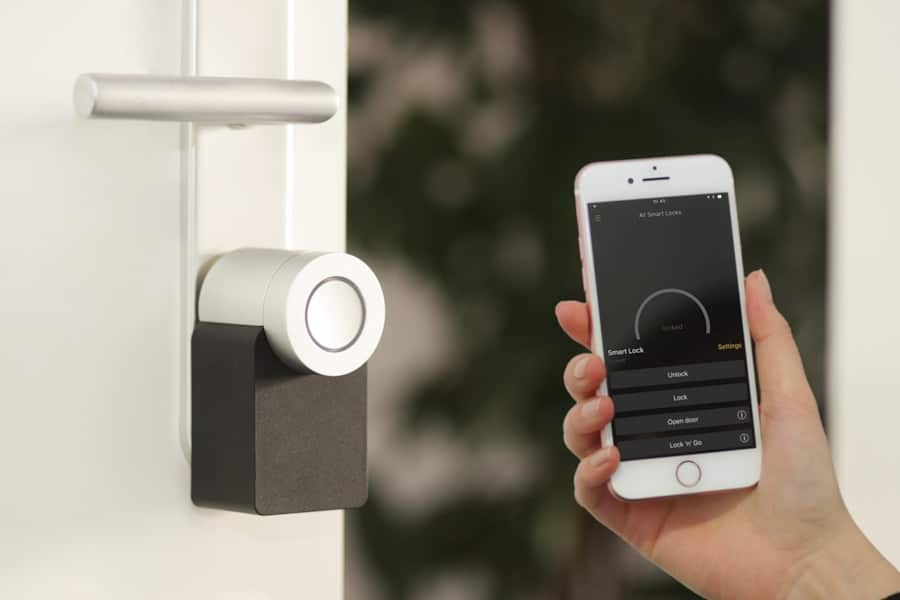
Integrating your smart devices with a comprehensive security system is a proactive step toward enhancing your home’s safety. By connecting these devices to a centralized security platform, you can monitor and control them from a single interface, making it easier to manage their security settings. For instance, if you have smart locks, cameras, and alarms, integrating them allows you to receive real-time alerts and notifications about any suspicious activity.
This level of integration not only streamlines your security management but also provides you with peace of mind. Moreover, an integrated security system can enhance the functionality of your smart devices. For example, if your security camera detects motion while you are away from home, it can trigger your smart lights to turn on, creating the illusion that someone is present.
This can deter potential intruders and provide an additional layer of protection. By taking the time to integrate your smart devices with a robust security system, you are not only improving their individual security but also creating a cohesive network that works together to keep your home safe.
Types of Alerts Your Security System Can Provide
When it comes to securing your smart devices, having a reliable alert system is crucial. Your security system can provide various types of alerts that keep you informed about potential threats or tampering incidents. For instance, you may receive notifications when someone attempts to access your smart lock or when unusual activity is detected by your security camera.
These alerts can be sent directly to your smartphone or email, ensuring that you are always in the loop, regardless of where you are. In addition to intrusion alerts, your security system can also notify you about other important events related to your smart devices. For example, if a device goes offline unexpectedly or if there are any software updates available, you can receive alerts prompting you to take action.
This proactive approach allows you to address potential issues before they escalate into serious problems. By understanding the types of alerts your security system can provide, you can better prepare yourself to respond effectively and maintain the integrity of your smart devices.
Setting Up Alerts for Smart Device Tampering
Setting up alerts for smart device tampering is an essential step in safeguarding your home. Most modern security systems offer customizable alert settings that allow you to tailor notifications based on your preferences. For instance, you can configure alerts for specific devices or set thresholds for unusual activity levels.
This means that if someone attempts to tamper with your smart lock or disable your security camera, you will receive an immediate notification. To ensure that you do not miss any critical alerts, consider enabling push notifications on your smartphone or tablet. This way, even if you are away from home or busy with other tasks, you will be promptly informed of any suspicious activity.
Additionally, regularly reviewing and updating your alert settings is vital as your needs may change over time. By taking these steps, you can create a robust alert system that keeps you informed and empowers you to take action when necessary.
Responding to Alerts and Tampering Incidents
When you receive an alert indicating potential tampering with one of your smart devices, knowing how to respond effectively is crucial. The first step is to assess the situation calmly and gather as much information as possible about the incident. Check the alert details to determine which device was affected and what type of tampering was detected.
If necessary, review any recorded footage from your security cameras to gain further insight into the situation. Once you have gathered information, it is essential to take appropriate action based on the severity of the incident. If you suspect a break-in or unauthorized access, do not hesitate to contact local authorities immediately.
On the other hand, if the tampering appears minor—such as a failed login attempt—you may want to change passwords and review device settings for any unauthorized changes. By having a clear response plan in place, you can act swiftly and effectively in the face of potential threats.
Additional Security Measures for Smart Devices
In addition to integrating smart devices with a security system and setting up alerts, there are several additional measures you can take to enhance their security further. One effective strategy is enabling two-factor authentication (2FA) on all compatible devices and accounts. This adds an extra layer of protection by requiring not only a password but also a second form of verification—such as a code sent to your phone—before granting access.
Regularly reviewing and managing connected devices is another important step in maintaining security. As new devices are added or old ones are retired, it’s essential to ensure that only authorized devices have access to your network. Periodically checking for unknown devices connected to your Wi-Fi network can help identify potential intrusions early on.
By implementing these additional security measures, you can create a more robust defense against potential threats targeting your smart devices.
Ensuring the Security of Your Smart Devices
Ensuring the security of your smart devices requires ongoing vigilance and proactive measures. Start by conducting regular audits of all connected devices in your home. Check for any outdated software or firmware and promptly install updates as they become available.
Additionally, consider changing passwords periodically and using password managers to generate strong, unique passwords for each device. Educating yourself about the latest cybersecurity threats is also vital in maintaining device security. Stay informed about common vulnerabilities associated with specific devices and follow best practices recommended by manufacturers and cybersecurity experts.
By taking these steps and remaining proactive in securing your smart devices, you can enjoy the benefits of technology while minimizing risks and protecting your home from potential threats. In conclusion, as smart devices continue to play an increasingly significant role in our lives, prioritizing their security is essential for safeguarding our homes and personal information. By understanding how these devices can be tampered with and integrating them into a comprehensive security system, you can enhance their protection significantly.
Setting up alerts for tampering incidents and responding effectively when they occur further strengthens your defense against potential threats. By implementing additional security measures and remaining vigilant in maintaining device security, you can enjoy the convenience of smart technology without compromising safety.
If you are interested in learning more about home security systems, you may want to check out the article “Home Security System Service in Salem, Oregon”. This article discusses the importance of having a reliable security system in place to protect your home and loved ones. It also provides information on the different services offered by home security companies in the Salem area.
FAQs
What is a security system?
A security system is a network of devices designed to detect, prevent, and respond to security threats, such as intrusion, fire, and environmental hazards.
What are smart devices?
Smart devices are electronic devices that can connect to the internet and other devices, allowing them to be remotely monitored and controlled.
Can a security system alert me if someone is tampering with my smart devices?
Yes, some security systems are equipped with sensors and monitoring capabilities that can detect tampering or unauthorized access to smart devices.
How does a security system detect tampering with smart devices?
Security systems can use various methods to detect tampering with smart devices, including motion sensors, door/window sensors, and video surveillance cameras.
What actions can a security system take if tampering with smart devices is detected?
When tampering is detected, a security system can send alerts to the homeowner or security monitoring service, trigger alarms, and even notify authorities if necessary.
Can I integrate my smart devices with my security system to enhance tampering detection?
Yes, many security systems offer integration with smart devices, allowing for more comprehensive monitoring and control of the entire home environment.