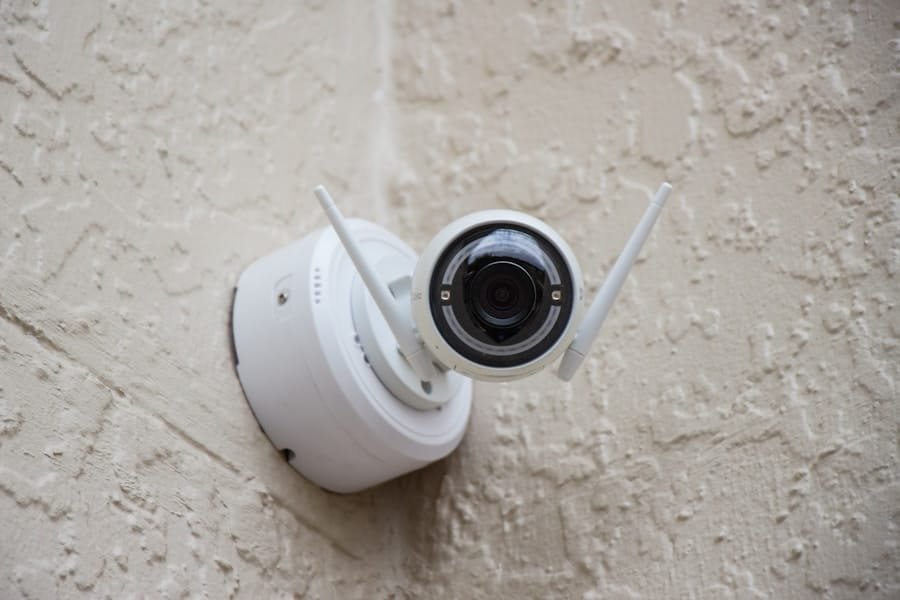
Integrating security systems with health monitoring devices offers a multitude of benefits that can significantly enhance your safety and well-being. One of the most compelling advantages is the ability to create a comprehensive safety net that not only protects your physical space but also monitors your health in real-time. Imagine a scenario where your home security system is linked to wearable health devices, such as smartwatches or fitness trackers.
In the event of an emergency, such as a fall or a sudden health crisis, the system can automatically alert emergency services while providing them with critical health data. This seamless communication can be life-saving, ensuring that help arrives promptly and is equipped with the necessary information to provide appropriate care. Moreover, this integration fosters a sense of peace of mind.
Knowing that your health and safety are being monitored simultaneously allows you to focus on your daily activities without the constant worry of potential emergencies. For elderly individuals or those with chronic health conditions, this dual-layered approach can be particularly beneficial. Family members can also feel reassured, knowing that their loved ones are being monitored for both security and health issues.
This holistic approach not only enhances individual safety but also strengthens community ties, as neighbors and caregivers can collaborate more effectively in monitoring and responding to emergencies.
Key Takeaways
- Integrating security systems with health monitoring devices can provide real-time alerts for emergency situations and improve overall safety and well-being.
- The technology behind integration involves the use of sensors, data analytics, and communication protocols to connect security and health monitoring devices.
- Understanding compatibility and connectivity is crucial for seamless integration, as different devices and systems may use different protocols and standards.
- Integration can improve emergency response by providing accurate and timely information to first responders and healthcare professionals.
- Privacy and security concerns must be addressed when integrating security and health monitoring devices to ensure the protection of personal data and sensitive information.
Understanding the Technology Behind Integration
To appreciate the benefits of integrating security systems with health monitoring devices, it’s essential to understand the technology that makes this possible. At the core of this integration lies the Internet of Things (IoT), which connects various devices through the internet, allowing them to communicate and share data seamlessly. This interconnectedness enables security cameras, alarms, and health monitoring devices to work in unison, creating a cohesive system that responds intelligently to various situations.
For instance, if a health monitoring device detects an irregular heartbeat, it can trigger the security system to alert emergency services while simultaneously notifying family members. Additionally, advancements in artificial intelligence (AI) and machine learning play a crucial role in enhancing these integrated systems. These technologies enable devices to learn from user behavior and adapt accordingly.
For example, if your health monitoring device recognizes patterns in your daily activities, it can predict potential health issues and alert you before they escalate. Similarly, AI can analyze data from security cameras to identify unusual activities or potential threats, allowing for proactive measures to be taken. This synergy between health monitoring and security systems not only improves response times but also enhances overall user experience by providing tailored solutions based on individual needs.
Compatibility and Connectivity: What You Need to Know
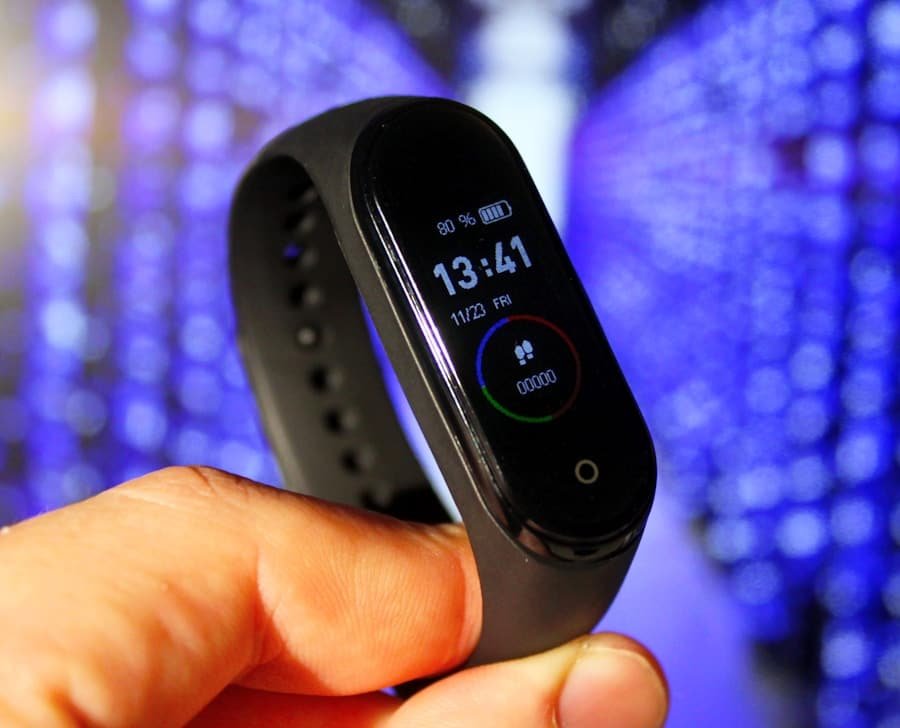
When considering the integration of security systems with health monitoring devices, compatibility and connectivity are paramount. Not all devices are designed to work together seamlessly, so it’s crucial to research and select products that support integration. Many manufacturers now offer systems specifically designed for interoperability, allowing you to connect various devices from different brands without hassle.
Before making any purchases, take the time to review compatibility specifications and ensure that the devices you choose can communicate effectively with one another. Connectivity options also play a significant role in how well these systems function together. Most modern devices utilize Wi-Fi or Bluetooth for communication, but some may require additional hubs or gateways for optimal performance.
Understanding your home’s existing network infrastructure is essential; a strong and stable internet connection is necessary for real-time data sharing between devices. Additionally, consider whether you prefer cloud-based solutions or local storage options for your data. Each has its advantages and disadvantages, so weigh them carefully based on your specific needs and preferences.
How Integration Can Improve Emergency Response
The integration of security systems with health monitoring devices can dramatically improve emergency response times and effectiveness. In critical situations where every second counts, having a system that automatically alerts emergency services can be invaluable. For instance, if a health monitoring device detects a fall or a significant change in vital signs, it can trigger an alarm that not only notifies emergency responders but also provides them with essential information about the individual’s medical history and current condition.
This data can be crucial for first responders as they prepare to assist. Furthermore, integrated systems can enhance communication between various stakeholders during an emergency. Family members can receive real-time updates about the situation, allowing them to make informed decisions about how best to assist their loved ones.
This level of coordination can lead to quicker interventions and better outcomes for those in need of urgent care. Additionally, some systems allow for two-way communication between users and emergency services, enabling individuals to provide additional context or information as needed. This feature can be particularly beneficial in situations where every detail matters.
Privacy and Security Concerns
While the integration of security systems with health monitoring devices offers numerous benefits, it also raises important privacy and security concerns that you must consider. The collection and sharing of personal health data can be sensitive, and ensuring that this information is protected is paramount. You should thoroughly research the privacy policies of any devices you plan to integrate into your home system.
Look for products that prioritize data encryption and have robust security measures in place to safeguard your information from unauthorized access. Moreover, consider how data is stored and shared among devices. Some systems may utilize cloud storage, which can be vulnerable to breaches if not adequately secured.
If you have concerns about cloud-based solutions, explore options for local storage or systems that allow you to control where your data is kept. It’s also wise to regularly update your devices’ software and firmware to protect against potential vulnerabilities that could be exploited by cybercriminals. By taking these precautions, you can enjoy the benefits of integrated systems while minimizing risks to your privacy and security.
Cost and Installation Considerations
When contemplating the integration of security systems with health monitoring devices, cost is an important factor to consider. The initial investment may vary significantly based on the types of devices you choose and their features. While some basic systems may be relatively affordable, more advanced options with extensive capabilities can come at a premium price.
It’s essential to evaluate your budget carefully and determine which features are most important for your needs before making any purchases. Installation is another critical consideration that can impact both cost and functionality. Some integrated systems are designed for easy DIY installation, while others may require professional assistance for optimal setup.
If you’re not comfortable with technology or lack experience in setting up complex systems, hiring a professional may be worth the investment to ensure everything functions correctly from the start. Additionally, consider ongoing costs such as subscription fees for cloud services or maintenance plans that may be necessary for certain devices.
Choosing the Right Devices and Systems for Integration
Selecting the right devices and systems for integration requires careful consideration of your specific needs and lifestyle. Start by identifying what features are most important to you—whether it’s real-time health monitoring, advanced security features, or ease of use. Research various brands and models to find those that offer compatibility with one another while meeting your requirements.
Reading customer reviews can provide valuable insights into how well different products perform in real-world scenarios. It’s also beneficial to consult with professionals who specialize in home automation or security systems. They can offer personalized recommendations based on your unique situation and help you navigate the myriad options available on the market today.
Additionally, consider future-proofing your investment by choosing devices that allow for upgrades or expansions as technology evolves. This foresight will ensure that your integrated system remains relevant and effective for years to come.
Future Trends in Security and Health Monitoring Integration
As technology continues to advance at a rapid pace, the future of integrating security systems with health monitoring devices looks promising. One emerging trend is the increased use of artificial intelligence (AI) in these systems, enabling them to learn from user behavior and adapt accordingly. This could lead to even more personalized experiences where devices anticipate your needs and respond proactively to potential issues before they arise.
Another exciting development is the growing emphasis on interoperability among different brands and platforms. As consumers demand more seamless experiences across their devices, manufacturers are likely to prioritize compatibility in their designs. This shift will make it easier for you to create customized integrated systems tailored specifically to your preferences without being locked into a single brand ecosystem.
In conclusion, integrating security systems with health monitoring devices presents numerous benefits that enhance safety, improve emergency response times, and provide peace of mind. By understanding the technology behind this integration, considering compatibility and connectivity options, addressing privacy concerns, evaluating costs, choosing the right devices, and staying informed about future trends, you can make informed decisions that will ultimately enhance your quality of life while ensuring your safety and well-being.
If you are interested in the psychology behind home security, you may want to check out The Psychology of Home Security: Deterrence and Awareness. This article delves into the reasons why certain security measures are effective in deterring potential intruders. It also discusses the importance of being aware of your surroundings and taking proactive steps to protect your home and loved ones.
FAQs
What is a security system integration with health monitoring devices?
Security system integration with health monitoring devices refers to the ability of a security system to connect and communicate with health monitoring devices such as medical alert systems, smartwatches, or other health-related technology. This integration allows for a more comprehensive approach to home safety and wellness monitoring.
What are the benefits of integrating a security system with health monitoring devices?
Integrating a security system with health monitoring devices can provide added peace of mind for individuals and their loved ones. It allows for seamless communication between the security system and health monitoring devices, enabling quick response in the event of a medical emergency or other health-related incidents.
What types of health monitoring devices can be integrated with a security system?
A variety of health monitoring devices can be integrated with a security system, including medical alert systems, smartwatches with health tracking features, blood pressure monitors, glucose monitors, and other health-related technology. These devices can provide valuable data and alerts to the security system in the event of an emergency.
How does the integration between a security system and health monitoring devices work?
The integration between a security system and health monitoring devices typically involves the use of compatible technology and communication protocols. This allows the security system to receive and respond to alerts from the health monitoring devices, and in some cases, can also enable two-way communication between the devices.
Are there security systems specifically designed to integrate with health monitoring devices?
Yes, there are security systems on the market that are specifically designed to integrate with health monitoring devices. These systems may offer specialized features and compatibility with a range of health-related technology, providing a more comprehensive approach to home security and wellness monitoring.