In recent years, sound recognition technology has emerged as a groundbreaking advancement in the realm of security systems. This innovative technology allows devices to identify and respond to specific sounds, enhancing the overall safety and security of homes and businesses. As you navigate through this evolving landscape, you may find yourself intrigued by how sound recognition can transform traditional security measures into more responsive and intelligent systems.
By integrating sound recognition capabilities, security systems can now monitor environments more effectively, providing peace of mind to users. The integration of sound recognition technology into security systems is not merely a trend; it represents a significant shift in how we approach safety. Imagine a system that can differentiate between the sounds of breaking glass, barking dogs, or even the cries of a baby.
This capability not only enhances the responsiveness of security systems but also allows for more tailored alerts and actions based on the specific sounds detected. As you explore this technology further, you will discover its potential applications and implications for both personal and public safety.
Key Takeaways
- Sound recognition technology in security systems is an innovative way to enhance safety and security in homes and public spaces.
- The science behind recognizing the sound of a baby crying involves analyzing the frequency, duration, and pattern of the cry.
- Security systems can detect the sound of a baby crying using advanced audio processing algorithms and machine learning techniques.
- Limitations and challenges of sound recognition technology in security systems include false alarms, background noise interference, and privacy concerns.
- Having a security system that recognizes the sound of a baby crying provides peace of mind for parents and caregivers, and can potentially save lives in emergency situations.
The Science Behind Recognizing the Sound of a Baby Crying
Understanding the science behind sound recognition technology, particularly in identifying the sound of a baby crying, involves delving into the complexities of audio signal processing. At its core, this technology relies on sophisticated algorithms that analyze sound waves to distinguish between different audio patterns. When it comes to recognizing a baby’s cry, these algorithms are trained to identify specific frequency ranges and tonal qualities that are characteristic of infant distress.
This process involves extensive data collection and machine learning techniques, allowing the system to improve its accuracy over time. As you consider the intricacies of this technology, it’s fascinating to note that the sound of a baby crying is not just a simple noise; it carries emotional weight and urgency. Researchers have identified various types of cries that can indicate different needs, such as hunger, discomfort, or the need for attention.
By training sound recognition systems to differentiate between these cries, developers can create more responsive security solutions that alert caregivers or parents when immediate action is required. This level of specificity is crucial in ensuring that the right response is triggered at the right time.
How Security Systems Can Detect the Sound of a Baby Crying
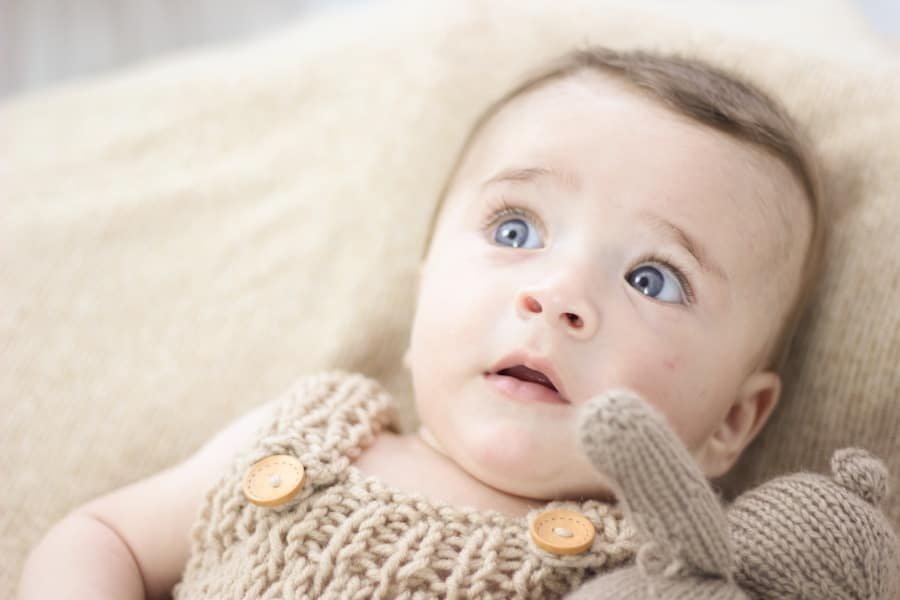
Security systems equipped with sound recognition technology utilize a combination of microphones and advanced software to detect the sound of a baby crying. These systems are designed to continuously monitor their environment, listening for specific audio cues that indicate a child’s distress. When a baby’s cry is detected, the system can send an alert to your smartphone or trigger an alarm, ensuring that you are immediately informed of the situation.
This real-time monitoring capability is particularly beneficial for parents who may not always be in the same room as their child. The detection process begins with the microphones capturing ambient sounds within the home. The software then analyzes these sounds using machine learning algorithms that have been trained on a vast dataset of baby cries.
By comparing incoming audio signals to its database, the system can accurately identify when a baby is crying and differentiate it from other noises in the environment. This level of precision is essential for minimizing false alarms and ensuring that caregivers can respond promptly when needed.
Limitations and Challenges of Sound Recognition Technology in Security Systems
While sound recognition technology offers numerous advantages, it is not without its limitations and challenges. One significant concern is the potential for false positives, where the system mistakenly identifies non-threatening sounds as a baby’s cry. For instance, loud music or even certain animal noises could trigger an alert, leading to unnecessary anxiety for caregivers.
As you consider implementing such technology, it’s important to weigh these potential drawbacks against its benefits. Another challenge lies in the varying acoustic environments in which these systems operate. Factors such as background noise, room acoustics, and microphone quality can all impact the system’s ability to accurately detect a baby’s cry.
In busy households or environments with multiple competing sounds, the effectiveness of sound recognition technology may be compromised. Developers are continually working to refine algorithms and improve detection accuracy, but these challenges remain an important consideration for users looking to invest in such systems.
Benefits of Having a Security System that Recognizes the Sound of a Baby Crying
The benefits of having a security system capable of recognizing the sound of a baby crying are manifold. First and foremost, it provides an added layer of safety for infants and young children. As a parent or caregiver, knowing that your security system can alert you to your child’s needs allows you to focus on other tasks without constantly worrying about their well-being.
This peace of mind is invaluable in today’s fast-paced world. Moreover, such systems can foster better communication between caregivers and parents. For instance, if you are at work or away from home, receiving an alert about your baby’s cry can prompt you to check in or arrange for someone to attend to your child.
This connectivity ensures that you remain engaged in your child’s care even when physically distant. Additionally, many modern security systems offer integration with smart home devices, allowing you to monitor your child’s environment through video feeds or other sensors, further enhancing your ability to respond effectively.
Considerations for Choosing a Security System with Baby Crying Recognition
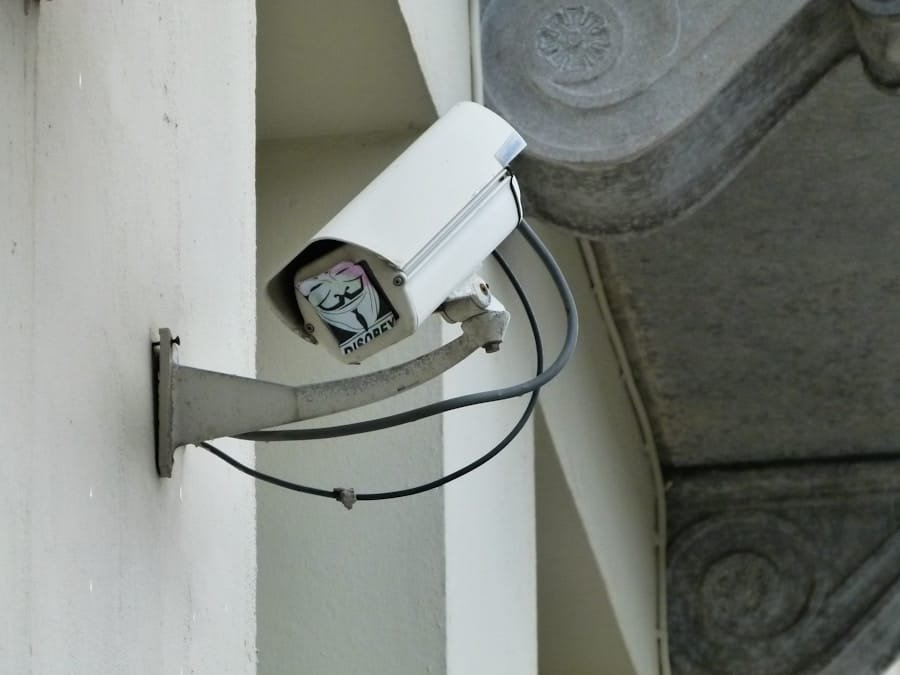
When selecting a security system with baby crying recognition capabilities, there are several key factors to consider. First and foremost, assess the accuracy and reliability of the sound recognition technology. Look for systems that have been tested extensively and have positive reviews from other users regarding their performance in detecting baby cries without excessive false alarms.
Another important consideration is the system’s integration with other smart home devices. A comprehensive security solution should not only recognize sounds but also work seamlessly with cameras, motion sensors, and alarms. This interconnectedness allows for a more holistic approach to home security and child monitoring.
Additionally, consider user-friendly features such as mobile app notifications and remote access capabilities that enable you to stay informed about your child’s needs from anywhere.
Privacy and Ethical Concerns Surrounding Sound Recognition Technology in Security Systems
As with any emerging technology, sound recognition in security systems raises important privacy and ethical concerns that warrant careful consideration. One primary issue is the potential for constant surveillance within your home environment. While monitoring your child’s cries can be beneficial, it also means that audio data is being collected continuously, which may lead to concerns about who has access to this information and how it is used.
Furthermore, there are ethical implications surrounding consent and data ownership. If your security system records audio data beyond just detecting baby cries—such as conversations or other private moments—this could infringe on your family’s privacy rights. As you explore sound recognition technology for security purposes, it’s crucial to choose systems that prioritize user privacy and offer transparent data handling practices.
Future Developments and Potential Applications of Sound Recognition Technology in Security Systems
Looking ahead, the future of sound recognition technology in security systems holds exciting possibilities. As advancements in artificial intelligence and machine learning continue to evolve, we can expect even greater accuracy and functionality from these systems. Future developments may include enhanced capabilities for recognizing not only baby cries but also other critical sounds such as falls or medical emergencies.
Moreover, as smart home ecosystems become increasingly interconnected, sound recognition technology could play a pivotal role in creating more responsive environments. Imagine a home where your security system not only alerts you to your baby’s cries but also adjusts lighting or temperature based on your child’s comfort needs. The potential applications are vast and could significantly enhance both safety and quality of life for families.
In conclusion, sound recognition technology represents a transformative advancement in security systems, particularly in its ability to detect the sound of a baby crying. While there are challenges and ethical considerations to navigate, the benefits it offers—such as enhanced safety and peace of mind—are compelling reasons for parents and caregivers to explore this innovative solution further. As you consider integrating such technology into your home, staying informed about its developments will empower you to make choices that best suit your family’s needs while ensuring their safety and well-being.
If you are interested in enhancing the security features of your home, you may want to consider reading the article Choose the Best Home Security Service for Ultimate Protection. This article provides valuable insights on selecting the right home security system to ensure the safety of your loved ones and property. It discusses various factors to consider when choosing a security service provider and highlights the importance of having a reliable system in place. By implementing the tips outlined in this article, you can take proactive steps to safeguard your home and enjoy peace of mind.
FAQs
What is sound recognition technology in security systems?
Sound recognition technology in security systems is a feature that allows the system to identify and differentiate between various sounds, such as glass breaking, alarms, or voices. This technology uses advanced algorithms to analyze audio input and trigger specific actions based on the recognized sound.
Can security systems recognize the sound of a baby crying?
Yes, some advanced security systems are equipped with sound recognition technology that can identify the sound of a baby crying. When the system detects this specific sound, it can trigger a pre-programmed response, such as sending an alert to the homeowner’s smartphone or activating a specific camera to check on the source of the sound.
How does a security system recognize the sound of a baby crying?
Security systems that can recognize the sound of a baby crying use machine learning algorithms to analyze audio patterns and identify the unique characteristics of a baby’s cry. These algorithms are trained on a large dataset of audio samples to accurately distinguish between different sounds and trigger the appropriate response.
What are the benefits of a security system recognizing the sound of a baby crying?
The ability of a security system to recognize the sound of a baby crying provides added peace of mind for parents and caregivers. It allows them to be alerted immediately when their baby is crying, even if they are in another part of the house or away from home. This can help ensure the safety and well-being of the baby and provide quick reassurance to the parents.