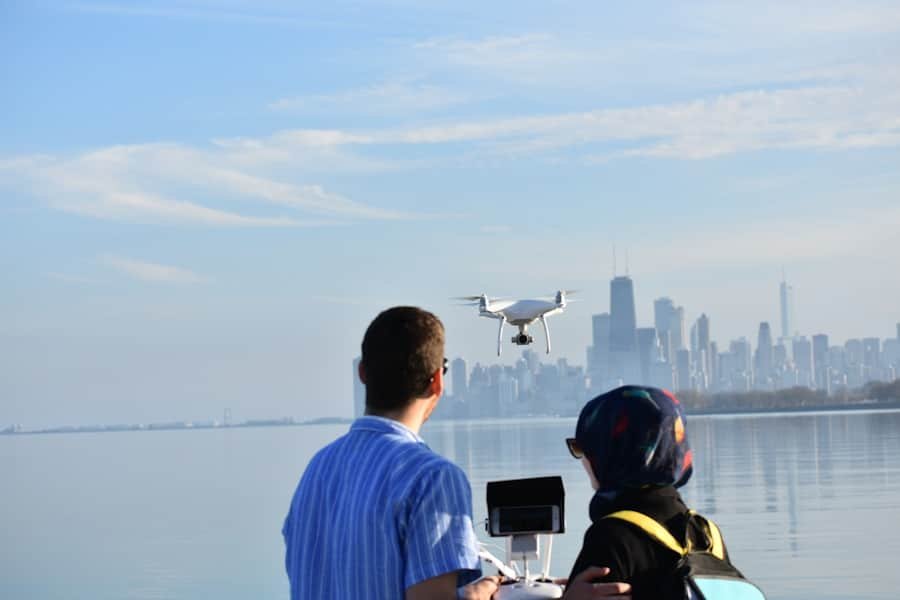
In an era where security concerns are paramount, the integration of technology into surveillance systems has become increasingly vital. Drones, or unmanned aerial vehicles (UAVs), have emerged as a revolutionary tool for perimeter surveillance, offering a unique vantage point that traditional security measures often lack. As you explore the capabilities of drones, you will discover how they can enhance your security protocols, providing real-time monitoring and rapid response capabilities.
The ability to cover vast areas quickly and efficiently makes drones an attractive option for various applications, from industrial sites to residential neighborhoods. The use of drones in perimeter surveillance is not merely a trend; it represents a significant shift in how security is approached. With advancements in drone technology, including improved battery life, high-resolution cameras, and sophisticated sensors, you can now monitor your property with unprecedented detail and accuracy.
This article will delve into the benefits, challenges, legal considerations, and future trends associated with using drones for perimeter security, equipping you with the knowledge to make informed decisions about integrating this technology into your security strategy.
Key Takeaways
- Drones offer a cost-effective and efficient solution for perimeter surveillance, providing real-time monitoring and rapid response capabilities.
- The use of drones for perimeter security can significantly enhance situational awareness and response times, improving overall security effectiveness.
- Challenges such as limited flight time, weather conditions, and regulatory restrictions can impact the effectiveness of using drones for perimeter surveillance.
- Legal and regulatory considerations, including privacy laws and airspace regulations, must be carefully navigated when implementing drones in security systems.
- Integrating drones with existing security systems can provide a comprehensive and layered approach to perimeter surveillance, maximizing coverage and response capabilities.
Benefits of Using Drones for Perimeter Security
One of the most compelling advantages of employing drones for perimeter surveillance is their ability to provide real-time data and imagery. Unlike traditional security cameras that are fixed in place, drones can be deployed to fly over large areas, capturing high-definition video and images from various angles. This flexibility allows you to monitor multiple locations simultaneously, significantly enhancing your situational awareness.
You can quickly identify potential threats or breaches in security, enabling a swift response that could prevent incidents before they escalate. Moreover, drones can be equipped with advanced technologies such as thermal imaging and night vision capabilities. This means that even in low-light conditions or adverse weather, you can maintain a clear view of your perimeter.
The ability to detect heat signatures allows you to identify unauthorized personnel or vehicles that may not be visible to the naked eye. By leveraging these advanced features, you can bolster your security measures and ensure that your property remains protected around the clock.
Limitations and Challenges of Using Drones for Perimeter Surveillance

Despite the numerous benefits that drones offer for perimeter surveillance, there are also limitations and challenges that you must consider. One significant concern is the issue of battery life. While drone technology has improved over the years, many models still have limited flight times, typically ranging from 20 to 30 minutes on a single charge.
This limitation means that you may need to deploy multiple drones or have a charging station readily available to ensure continuous coverage of your perimeter. Another challenge is the potential for interference with other aerial activities. As drone usage becomes more widespread, airspace congestion is a growing concern.
You must navigate regulations and restrictions regarding where and when you can operate your drone. Additionally, environmental factors such as wind and rain can impact a drone’s performance, potentially leading to compromised surveillance capabilities during critical times.
Legal and Regulatory Considerations for Using Drones in Security Systems
When considering the implementation of drones for perimeter surveillance, it is essential to understand the legal and regulatory landscape governing their use. In many countries, drone operations are subject to strict regulations set forth by aviation authorities. You must familiarize yourself with these regulations to ensure compliance and avoid potential legal repercussions.
This includes obtaining necessary permits for commercial drone use and adhering to guidelines regarding flight altitude, no-fly zones, and privacy concerns. Privacy is another critical aspect to consider when deploying drones for surveillance purposes. You must be mindful of the potential for infringing on individuals’ rights to privacy while monitoring your property.
Implementing clear policies regarding data collection and storage can help mitigate these concerns. By being transparent about your drone operations and ensuring that you respect privacy boundaries, you can foster trust within your community while effectively utilizing this technology.
Integration of Drones with Existing Security Systems
To maximize the effectiveness of drones in perimeter surveillance, integrating them with your existing security systems is crucial. This integration allows for seamless communication between various components of your security infrastructure, enhancing overall efficiency. For instance, you can connect drones to alarm systems or motion detectors, enabling them to respond automatically when a breach is detected.
This level of automation not only saves time but also ensures that you have a comprehensive response plan in place. Additionally, integrating drones with software platforms that analyze data in real-time can provide valuable insights into security trends and patterns. By leveraging artificial intelligence and machine learning algorithms, you can enhance your ability to predict potential threats based on historical data.
This proactive approach allows you to stay one step ahead of potential security breaches, ultimately leading to a more secure environment.
Cost Analysis of Implementing Drones for Perimeter Surveillance

When evaluating the feasibility of implementing drones for perimeter surveillance, conducting a thorough cost analysis is essential. The initial investment in drone technology can vary significantly based on the type of drones you choose, their capabilities, and any additional equipment required for operation. While high-end models equipped with advanced features may come with a hefty price tag, there are also budget-friendly options available that can still meet your surveillance needs.
Beyond the initial purchase cost, you should also consider ongoing expenses such as maintenance, training personnel to operate the drones, and potential insurance costs. Training is particularly important; ensuring that your team is well-versed in drone operation and safety protocols will help mitigate risks associated with their use. By carefully assessing both initial and ongoing costs, you can develop a comprehensive budget that aligns with your security objectives.
Best Practices for Using Drones in Perimeter Security
To ensure the successful implementation of drones in your perimeter security strategy, adhering to best practices is vital. First and foremost, establish clear operational guidelines that outline when and how drones will be deployed. This includes defining specific flight paths, monitoring schedules, and protocols for responding to detected threats.
By having a structured approach in place, you can optimize the effectiveness of your drone operations while minimizing risks. Additionally, regular maintenance checks are crucial for ensuring that your drones remain in optimal working condition. This includes inspecting batteries, cameras, and other components to prevent malfunctions during critical surveillance operations.
Furthermore, staying informed about advancements in drone technology will allow you to adapt your strategy as new features become available. By continuously refining your approach based on best practices and technological advancements, you can enhance the overall effectiveness of your perimeter surveillance efforts.
Future Trends in Drones for Perimeter Surveillance
As technology continues to evolve at a rapid pace, the future of drones in perimeter surveillance looks promising. One emerging trend is the integration of artificial intelligence (AI) into drone operations. AI-powered drones can analyze data in real-time, identifying patterns and anomalies that may indicate potential security threats.
This capability not only enhances situational awareness but also allows for more proactive security measures. Another trend is the development of swarm technology, where multiple drones work collaboratively to cover larger areas more efficiently. This approach can significantly improve response times and provide comprehensive surveillance coverage without overwhelming operators with data from individual drones.
As these technologies advance, you can expect drones to become an even more integral part of perimeter security strategies across various sectors. In conclusion, the integration of drones into perimeter surveillance systems offers numerous benefits while also presenting challenges that require careful consideration. By understanding the legal landscape, conducting thorough cost analyses, and adhering to best practices, you can effectively leverage this technology to enhance your security measures.
As advancements continue to shape the future of drone technology, staying informed will empower you to make strategic decisions that protect your assets and ensure safety in an increasingly complex world.
If you are interested in learning more about home security systems and how they can benefit your property, check out the article on Our Secure Home’s website. They offer a variety of services, including perimeter surveillance using drones, in locations such as Phoenix, Arizona (link) and St. Louis, Missouri (link). By incorporating advanced technology like drones into your security system, you can enhance the protection of your home and loved ones.
FAQs
What is perimeter surveillance?
Perimeter surveillance refers to the monitoring and protection of the outer boundaries of a property or facility to detect and prevent unauthorized access or security breaches.
What are drones?
Drones, also known as unmanned aerial vehicles (UAVs), are aircraft that are operated without a human pilot on board. They can be controlled remotely or fly autonomously through pre-programmed flight plans.
Can security systems use drones for perimeter surveillance?
Yes, some security systems are equipped with drones for perimeter surveillance. These drones can be deployed to patrol and monitor the outer boundaries of a property, providing real-time video footage and alerts to security personnel.
What are the benefits of using drones for perimeter surveillance?
Using drones for perimeter surveillance can provide a cost-effective and efficient way to monitor large or remote areas. Drones can cover expansive areas quickly and provide aerial views that may not be accessible through traditional surveillance methods.
Are there any limitations or regulations for using drones for perimeter surveillance?
Yes, there are limitations and regulations for using drones for perimeter surveillance, including restrictions on flying in certain airspace, privacy concerns, and compliance with local aviation laws and regulations. It’s important to be aware of and adhere to these regulations when using drones for security purposes.