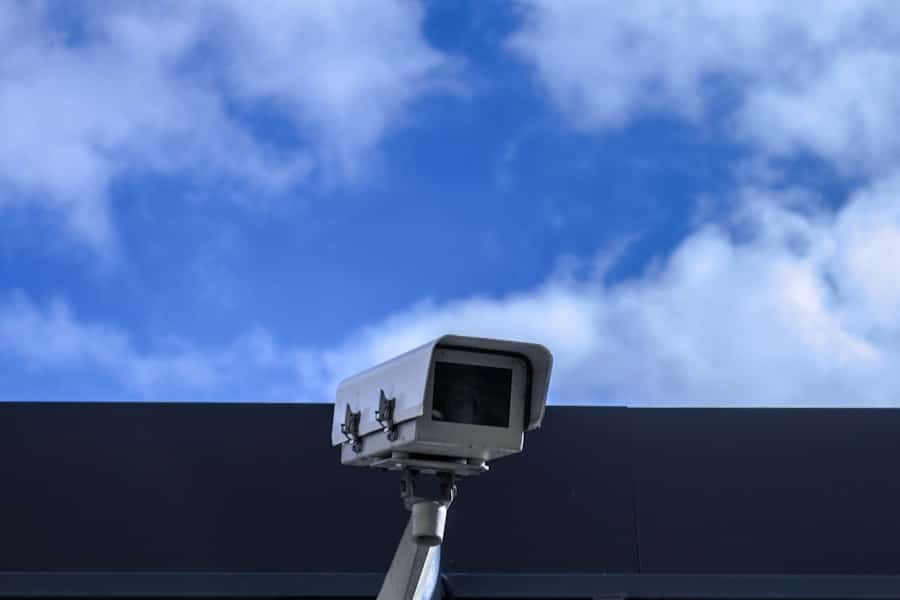
In today’s world, security footage has become an integral part of the legal landscape. As technology advances, the prevalence of surveillance cameras in public and private spaces has increased dramatically. You may have noticed that almost every corner of a city street, retail store, or office building is monitored by some form of video surveillance.
This proliferation of cameras has not only enhanced security but has also transformed how evidence is gathered and presented in legal proceedings. Security footage can provide crucial insights into events, offering a visual account that can corroborate or contradict witness testimonies. The role of security footage as legal evidence is multifaceted.
It serves as a powerful tool for law enforcement agencies, helping to solve crimes and identify suspects. In civil cases, it can clarify disputes and provide context to incidents that may otherwise be ambiguous. However, the use of security footage in legal contexts is not without its complexities.
You may find yourself questioning the reliability of such evidence, especially when considering issues related to privacy, consent, and the potential for manipulation. As you delve deeper into this topic, it becomes clear that while security footage can be a valuable asset in legal proceedings, its admissibility and effectiveness depend on various factors.
Key Takeaways
- Security footage can be a valuable form of legal evidence in court cases, providing visual documentation of events.
- Admissibility of security footage in court depends on factors such as relevance, authenticity, and compliance with legal procedures.
- Authentication and chain of custody of security footage are crucial for establishing its reliability and admissibility in court.
- Limitations and challenges of using security footage as legal evidence include issues of quality, tampering, and privacy concerns.
- Best practices for collecting and preserving security footage involve proper storage, documentation, and adherence to legal standards to ensure its admissibility in court.
Admissibility of Security Footage in Court
When it comes to the admissibility of security footage in court, several legal standards must be met. You might be surprised to learn that not all video evidence is automatically accepted; it must first pass through a series of tests to ensure its reliability and relevance. The Federal Rules of Evidence, for instance, outline specific criteria that must be satisfied for any piece of evidence to be deemed admissible.
This includes considerations such as relevance, authenticity, and whether the footage was obtained legally. In many jurisdictions, the footage must also meet the standard of being a “business record” if it is to be used in civil cases. This means that the recording must have been made in the regular course of business and kept in a manner that ensures its integrity.
You may also encounter situations where the opposing party challenges the admissibility of the footage, arguing that it was obtained unlawfully or that it has been tampered with. In such cases, the judge will weigh these arguments before making a determination on whether the footage can be presented to the jury.
Authentication and Chain of Custody of Security Footage
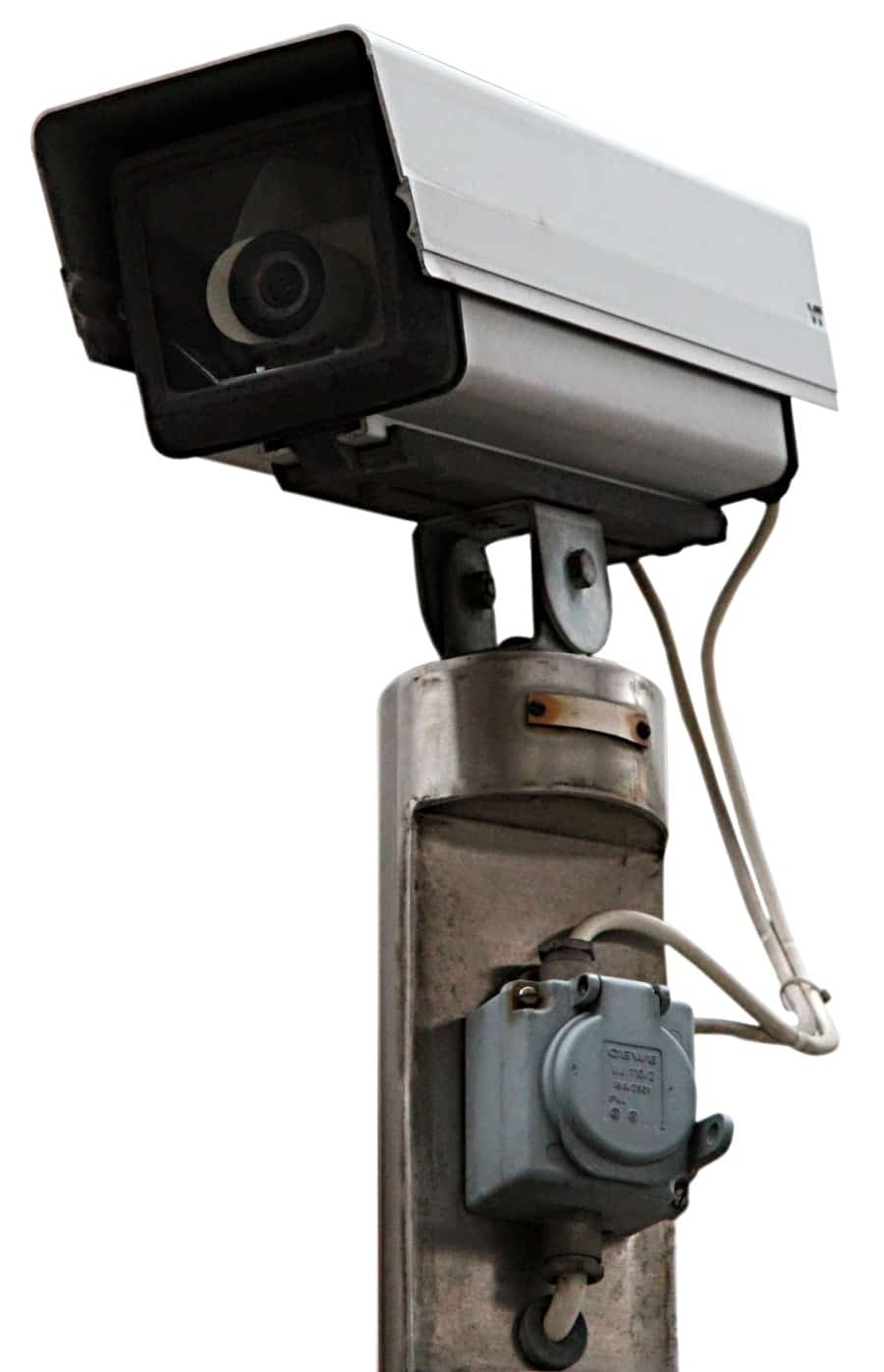
Authentication is a critical step in ensuring that security footage can be used as legal evidence. You may wonder how courts determine whether a piece of footage is genuine and has not been altered or manipulated. Typically, this involves establishing a chain of custody—a documented history of who collected, handled, and stored the footage from the moment it was recorded until it is presented in court.
This chain must be meticulously maintained to prevent any claims of tampering or mishandling. To authenticate security footage, you may find that courts often rely on testimony from individuals who were involved in the recording process or who can verify the integrity of the footage. This could include security personnel who operated the cameras or IT professionals who managed the storage systems.
Additionally, metadata associated with the video file—such as timestamps and file creation dates—can serve as supporting evidence for authentication. If you are involved in a case where security footage is being used, understanding these authentication processes can help you appreciate the importance of maintaining a clear chain of custody.
Limitations and Challenges of Using Security Footage as Legal Evidence
While security footage can be a powerful form of evidence, it is not without its limitations and challenges. One significant issue you may encounter is the quality of the footage itself. Many surveillance cameras operate at lower resolutions, which can result in grainy or unclear images that make it difficult to identify individuals or discern specific actions.
In some cases, poor lighting conditions or obstructions can further compromise the clarity of the footage, leading to questions about its reliability. Another challenge lies in the interpretation of security footage. You might find that different viewers can draw varying conclusions from the same video clip based on their perspectives or biases.
This subjectivity can complicate matters in court, where jurors are tasked with interpreting what they see on screen. Additionally, there are concerns about privacy rights and consent; if footage was recorded in a location where individuals had a reasonable expectation of privacy, its use as evidence could be contested on ethical grounds. These limitations highlight the need for careful consideration when relying on security footage in legal contexts.
Best Practices for Collecting and Preserving Security Footage
To maximize the effectiveness of security footage as legal evidence, adhering to best practices for collection and preservation is essential. If you are responsible for managing surveillance systems, you should ensure that cameras are positioned strategically to capture relevant areas while minimizing blind spots. Regular maintenance checks can help ensure that cameras are functioning correctly and that recordings are clear and usable.
Once footage is recorded, it is crucial to preserve it properly to maintain its integrity. You should implement secure storage solutions that protect against unauthorized access or tampering. This may involve using encrypted digital storage systems or physical locks for hard drives containing video files.
Additionally, establishing a clear protocol for accessing and handling footage can help maintain a reliable chain of custody. By following these best practices, you can enhance the credibility of security footage when it comes time to present it as evidence in court.
Case Studies of Security Footage Used as Legal Evidence
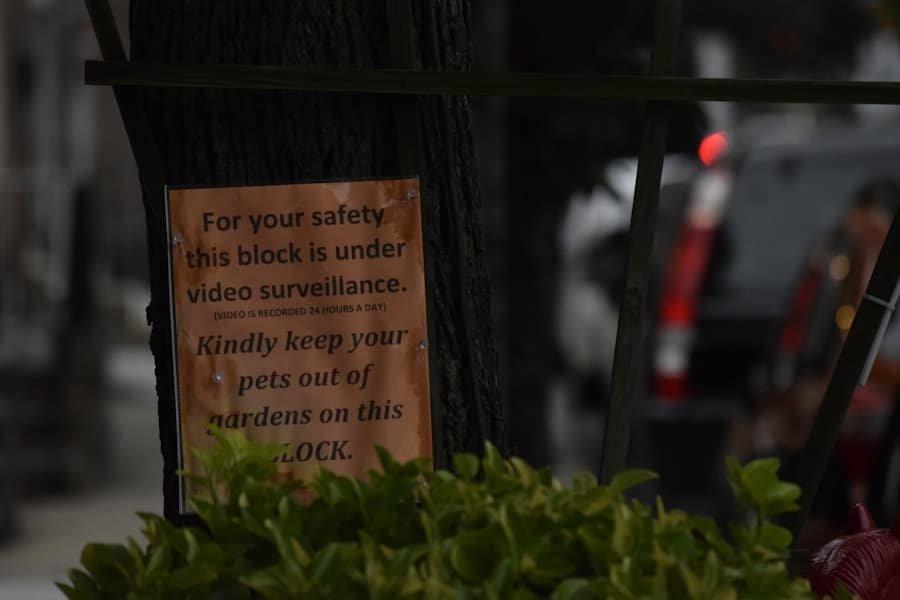
Examining real-world case studies can provide valuable insights into how security footage has been utilized as legal evidence in various situations. One notable example involves a robbery at a convenience store where surveillance cameras captured the entire incident. The footage not only helped law enforcement identify the suspect but also provided critical details about their actions during the crime.
In this case, the video evidence was instrumental in securing a conviction, demonstrating how effective security footage can be in criminal proceedings. Another case worth mentioning involved a civil dispute between two parties over an alleged car accident. Security cameras positioned at an intersection recorded the incident from multiple angles, allowing investigators to piece together what transpired leading up to the collision.
The video evidence played a pivotal role in determining liability and ultimately influenced the outcome of the case. These examples illustrate how security footage can serve as a powerful tool for both prosecution and defense in legal matters.
Expert Testimony and Analysis of Security Footage
In many cases involving security footage, expert testimony plays a crucial role in interpreting and analyzing the evidence presented. If you find yourself involved in such proceedings, you may encounter forensic video analysts who specialize in examining video recordings for authenticity and clarity. These experts utilize advanced techniques to enhance images, stabilize shaky footage, and extract relevant details that may not be immediately visible.
Their analysis can provide invaluable context for jurors who may not have experience interpreting video evidence. You might also see experts addressing potential biases or limitations inherent in the footage itself, helping to clarify any ambiguities that could affect how jurors perceive the evidence. By incorporating expert testimony into legal proceedings, you can enhance the credibility and understanding of security footage as it relates to your case.
Future Trends and Developments in the Use of Security Footage as Legal Evidence
As technology continues to evolve, so too does the landscape surrounding security footage as legal evidence. You may notice an increasing reliance on artificial intelligence (AI) and machine learning algorithms to analyze video data more efficiently and accurately than ever before. These advancements could lead to improved identification processes for suspects or enhanced capabilities for extracting relevant information from lengthy recordings.
Moreover, developments in privacy laws and regulations will likely shape how security footage is collected and used in legal contexts moving forward. As society grapples with issues related to surveillance and individual rights, you may find that courts become more stringent regarding what constitutes acceptable use of video evidence. Staying informed about these trends will be essential for anyone involved in legal proceedings where security footage plays a role.
In conclusion, while security footage has proven to be an invaluable asset in legal contexts, its effectiveness hinges on various factors including admissibility, authentication, and best practices for collection and preservation. As you navigate this complex landscape, understanding both its potential benefits and limitations will empower you to make informed decisions regarding its use as legal evidence.
When considering the use of security footage as legal evidence, it is important to ensure that your home security system is up to date and functioning properly. Enhancing your home security with top-notch services, such as those offered in Omaha, Nebraska and Grand Rapids, Michigan, can provide you with the peace of mind that your footage will be clear and reliable in the event of a legal dispute. By investing in a quality home security system, you can rest assured that your security footage will be admissible in court and help protect your home and loved ones. To learn more about enhancing your home security, visit oursecurehome.net.
FAQs
What is security footage?
Security footage refers to video recordings captured by surveillance cameras in order to monitor and protect a specific area, such as a home, business, or public space.
Can security footage be used as legal evidence?
Yes, security footage can be used as legal evidence in court proceedings. It can provide visual documentation of events and activities that occurred at a specific time and location, which can be crucial in proving or disproving a case.
What are the requirements for security footage to be admissible as evidence?
In order for security footage to be admissible as evidence, it must be authentic, relevant to the case, and not tampered with. It should also be properly obtained and stored to ensure its integrity.
What are the limitations of security footage as legal evidence?
While security footage can be valuable evidence, it may have limitations such as poor quality, limited field of view, or lack of audio. Additionally, the context of the footage and the chain of custody may also be scrutinized in court.
How can security footage be used to strengthen a legal case?
Security footage can be used to provide visual evidence of a crime, accident, or other events. It can help establish timelines, identify individuals, and corroborate witness testimony, thus strengthening a legal case.