
In an era where technology is advancing at an unprecedented pace, the concept of automatic system armament has emerged as a pivotal topic in defense and military discussions. Automatic system armament refers to weapon systems that can operate with minimal human intervention, utilizing advanced technologies such as artificial intelligence, robotics, and automation. As you delve into this subject, you will discover how these systems are reshaping the landscape of modern warfare and defense strategies.
The integration of automation into armament systems promises to enhance operational efficiency, reduce human error, and potentially save lives on the battlefield. As you explore the intricacies of automatic system armament, it becomes clear that this technology is not merely a futuristic concept but a reality that is being implemented in various military applications today. From drones that can autonomously navigate and engage targets to automated artillery systems capable of firing with precision, the evolution of weaponry is taking a significant turn.
This article aims to provide a comprehensive overview of automatic system armament, examining its technological underpinnings, benefits, challenges, and ethical implications, while also considering its future trajectory in military operations.
Key Takeaways
- Automatic system armament refers to the use of technology to automate the process of arming military systems, such as drones and autonomous weapons.
- Technology plays a crucial role in automatic system armament by enabling remote operation, target identification, and precision strikes.
- Potential benefits of automatic system armament include increased efficiency, reduced risk to human operators, and enhanced precision in targeting.
- Challenges and concerns with automatic system armament include the potential for misuse, lack of human oversight, and ethical implications of autonomous decision-making.
- Legal and ethical considerations of automatic system armament involve international laws, accountability for actions, and the moral implications of delegating lethal decisions to machines.
The Role of Technology in Automatic System Armament
Technology plays a crucial role in the development and functionality of automatic system armament. At the heart of these systems lies sophisticated software and hardware that enable them to perform complex tasks without direct human control. You will find that advancements in artificial intelligence (AI) are particularly significant, as they allow these systems to analyze vast amounts of data in real-time, make decisions based on predefined algorithms, and adapt to changing battlefield conditions.
This capability not only enhances the effectiveness of military operations but also allows for quicker responses to threats. Moreover, the integration of sensors and communication technologies further amplifies the capabilities of automatic system armament. These systems are equipped with advanced sensors that can detect and identify targets with remarkable accuracy.
As you consider the implications of such technology, it becomes evident that automatic systems can operate in environments that may be too dangerous for human soldiers, thereby reducing risk and increasing mission success rates. The synergy between AI, sensors, and communication networks creates a formidable force multiplier in modern warfare.
Potential Benefits of Automatic System Armament

The potential benefits of automatic system armament are manifold and can significantly alter the dynamics of military engagements. One of the most compelling advantages is the increased efficiency and speed of operations. With automated systems capable of processing information and executing commands at lightning speed, military forces can respond to threats more rapidly than ever before.
This agility can be crucial in high-stakes situations where every second counts, allowing for preemptive actions that could neutralize threats before they escalate. Additionally, automatic system armament has the potential to reduce human casualties in combat scenarios. By deploying unmanned systems for reconnaissance or direct engagement, you can minimize the risk to soldiers on the ground.
This shift not only protects lives but also allows military personnel to focus on strategic decision-making rather than being directly involved in dangerous combat situations. Furthermore, the precision offered by automated systems can lead to fewer collateral damages, ensuring that civilian lives and infrastructure are better protected during military operations.
Challenges and Concerns with Automatic System Armament
Despite the numerous advantages associated with automatic system armament, several challenges and concerns warrant careful consideration. One significant issue is the reliability and accountability of these systems. As you reflect on the implications of autonomous weaponry, questions arise regarding who is responsible for decisions made by machines—especially in scenarios where mistakes could lead to catastrophic outcomes.
The potential for malfunction or misinterpretation of data raises concerns about the safety and effectiveness of these systems in real-world applications. Moreover, there is an ongoing debate about the ethical implications of using automated systems in warfare. The idea of machines making life-and-death decisions poses profound moral questions that society must grapple with.
You may find yourself pondering whether it is acceptable for a robot to determine when to engage a target or whether such decisions should always remain under human control. The lack of emotional intelligence and moral reasoning in machines further complicates this issue, leading to calls for stringent regulations governing their use.
Legal and Ethical Considerations of Automatic System Armament
The legal landscape surrounding automatic system armament is complex and evolving. As you navigate this terrain, you will encounter various international treaties and conventions aimed at regulating the use of weapons in armed conflict. The introduction of autonomous weapon systems raises questions about compliance with existing laws of war, including principles such as distinction and proportionality.
These principles dictate that combatants must distinguish between military targets and civilians while ensuring that any military action taken is proportionate to the threat posed. Furthermore, ethical considerations play a pivotal role in shaping the discourse around automatic system armament. You may find it essential to consider whether it is morally justifiable to delegate life-and-death decisions to machines devoid of empathy or ethical reasoning.
The potential for bias in algorithms used by these systems also raises concerns about fairness and accountability. As society grapples with these issues, there is a growing call for establishing clear guidelines and frameworks that govern the development and deployment of autonomous weapons.
Examples of Automatic System Armament in Practice
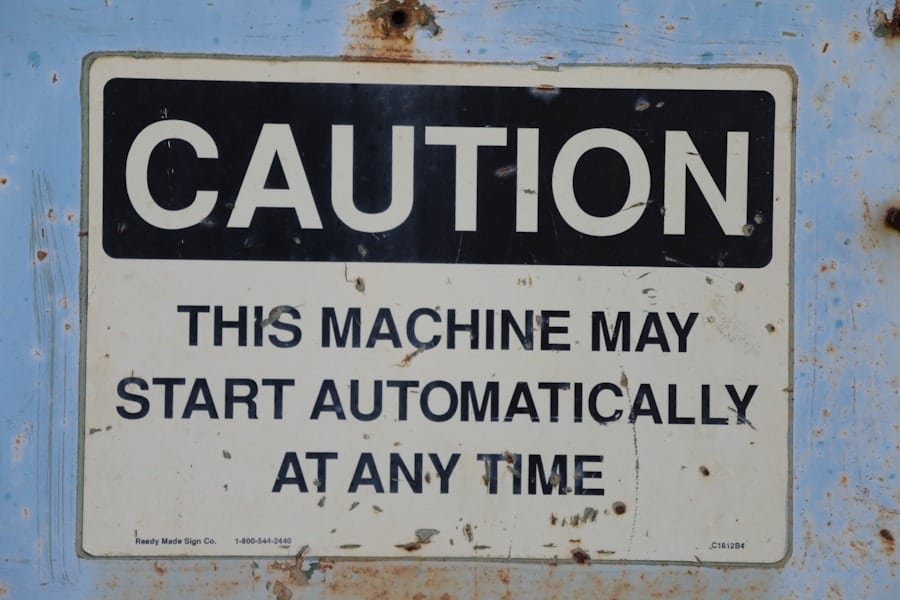
To better understand the practical applications of automatic system armament, it is helpful to examine real-world examples currently in use by various military forces around the globe. One notable instance is the deployment of unmanned aerial vehicles (UAVs), commonly known as drones. These aircraft have been utilized for surveillance missions as well as targeted strikes against enemy combatants.
Their ability to operate remotely allows for greater flexibility in military operations while minimizing risks to personnel. Another example is the use of automated ground systems designed for reconnaissance and logistics support. These vehicles can navigate challenging terrains autonomously, delivering supplies or gathering intelligence without putting soldiers in harm’s way.
As you consider these examples, it becomes evident that automatic system armament is not merely theoretical; it is actively shaping contemporary military strategies and operations.
Future Implications and Developments in Automatic System Armament
Looking ahead, the future implications of automatic system armament are both exciting and daunting. As technology continues to advance, you can expect further innovations that enhance the capabilities of these systems. The integration of machine learning algorithms may enable autonomous weapons to learn from their experiences, improving their decision-making processes over time.
This evolution could lead to even more sophisticated systems capable of operating effectively in dynamic environments. However, with these advancements come significant challenges that must be addressed proactively. The potential for an arms race involving autonomous weapons poses a serious threat to global security.
As nations strive to outpace one another in developing advanced military technologies, there is a risk that ethical considerations may be sidelined in favor of competitive advantage. You may find it crucial for policymakers and international organizations to engage in dialogue aimed at establishing norms and regulations governing the use of automatic system armament.
The Feasibility of Automatic System Armament
In conclusion, the feasibility of automatic system armament presents a complex interplay between technological advancement, operational efficiency, ethical considerations, and legal frameworks. As you reflect on this multifaceted topic, it becomes clear that while automatic systems offer significant benefits in terms of speed and safety, they also raise profound questions about accountability and morality in warfare. The path forward will require careful deliberation among stakeholders—including governments, military leaders, ethicists, and technologists—to ensure that these powerful tools are developed and deployed responsibly.
As you consider the future landscape of military operations shaped by automatic system armament, it is essential to remain vigilant about both its potential and its pitfalls. The balance between harnessing technological innovation for defense purposes while upholding ethical standards will be critical in determining how society navigates this new frontier in warfare. Ultimately, your engagement with these issues will play a vital role in shaping a future where technology serves humanity rather than undermines it.
In a recent article discussing the advancements in home security systems, it was mentioned that some systems now have the capability to arm themselves automatically. This feature is particularly useful for homeowners who may forget to arm their system before leaving the house. To learn more about the benefits of this technology, check out this article on home security system services in Raleigh, North Carolina.
FAQs
What is an automatic arming system?
An automatic arming system is a security feature that allows a system to arm itself without requiring manual input from the user. This can be useful for ensuring that the system is always armed when necessary, without relying on human intervention.
How does an automatic arming system work?
An automatic arming system can work in a variety of ways, depending on the specific technology and setup. It may use timers, motion sensors, or other triggers to determine when to arm itself. Some systems may also have the ability to learn and adapt to the user’s behavior and schedule.
What are the benefits of an automatic arming system?
The main benefit of an automatic arming system is convenience. It eliminates the need for the user to manually arm the system each time they leave the premises, reducing the risk of human error or forgetfulness. It also provides peace of mind, knowing that the system is always armed when needed.
Are there any potential drawbacks to an automatic arming system?
One potential drawback is the risk of false alarms if the system is not properly calibrated or if there are unexpected changes in the environment. Additionally, some users may prefer to have full control over when the system is armed and may not feel comfortable relying on automatic arming.
Can all security systems be equipped with automatic arming capabilities?
Not all security systems have the capability for automatic arming. It depends on the specific features and technology of the system. Some systems may require additional components or upgrades to enable automatic arming functionality.