In today’s world, the importance of security systems cannot be overstated. As crime rates fluctuate and the need for personal safety rises, many individuals and businesses are turning to advanced security measures to protect their assets and loved ones. Among these measures, lighting plays a pivotal role.
You may not realize it, but the right lighting can significantly enhance the effectiveness of your security system. By illuminating your property strategically, you can create a safer environment that deters potential intruders and provides peace of mind. When you think about security, you might envision high-tech cameras, alarm systems, or even guard services.
However, lighting is often an overlooked yet crucial component of a comprehensive security strategy. Properly designed lighting not only enhances visibility but also creates an atmosphere that discourages criminal activity. As you explore the various aspects of security systems, understanding the interplay between lighting and security will empower you to make informed decisions that bolster your safety measures.
Key Takeaways
- Security systems and lighting play a crucial role in deterring burglars and enhancing overall safety and security.
- Properly designed lighting can significantly reduce the risk of break-ins and intrusions by making it difficult for burglars to remain undetected.
- Security systems can be integrated with lighting to create a more comprehensive and effective security solution.
- Automatically adjusting lighting for security purposes offers benefits such as energy savings, convenience, and enhanced security.
- When implementing automated lighting in security systems, it is important to consider factors such as cost, compatibility, and user preferences.
The Role of Lighting in Deterrence of Burglars
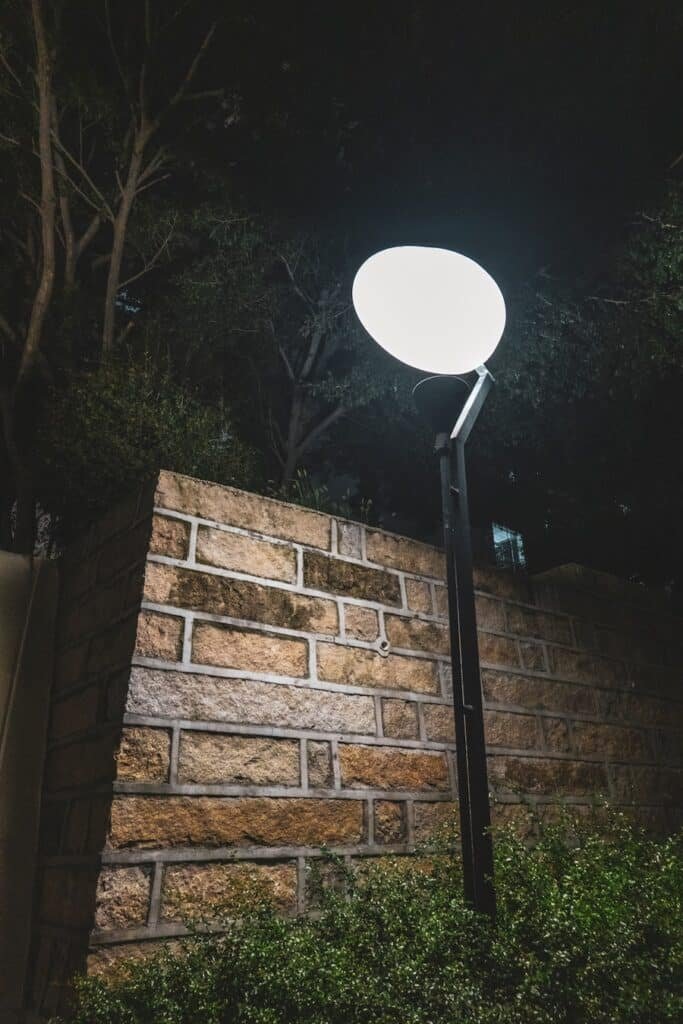
Lighting serves as a powerful deterrent against burglars and other criminal activities. When you illuminate your property effectively, you reduce the chances of becoming a target. Criminals are less likely to approach a well-lit area where they can be easily seen.
You may have noticed that homes with bright exterior lights tend to attract less unwanted attention than those shrouded in darkness. This principle is rooted in the psychology of crime; most burglars prefer to operate in shadows where they can remain hidden. Moreover, the strategic placement of lights can create a sense of vigilance.
When you ensure that pathways, entry points, and outdoor spaces are well-lit, you send a clear message that your property is monitored and cared for. This visibility not only deters potential intruders but also reassures you and your family that you are taking proactive steps to safeguard your home. By understanding how lighting influences criminal behavior, you can make informed choices about your security measures.
How Security Systems Can Integrate with Lighting
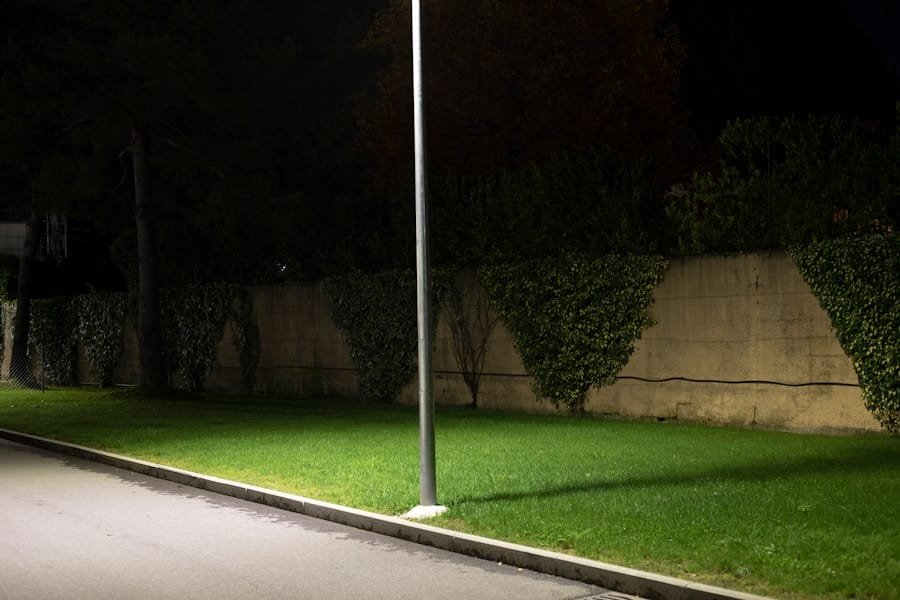
Integrating lighting with your security system can enhance its overall effectiveness. Modern technology allows for seamless communication between various components of your security setup, including cameras, alarms, and lighting systems. For instance, motion sensors can trigger outdoor lights to turn on when movement is detected, illuminating the area and potentially scaring off intruders.
This integration creates a dynamic response system that enhances your property’s safety. You might also consider smart lighting solutions that can be controlled remotely through your smartphone or other devices. This capability allows you to adjust lighting settings based on real-time conditions or even schedule lights to turn on and off at specific times.
By synchronizing your lighting with your security system, you create a comprehensive approach to safety that adapts to your needs and preferences. This level of control not only enhances security but also adds convenience to your daily life.
Benefits of Automatically Adjusting Lighting for Security
Automatically adjusting lighting based on specific conditions offers numerous benefits for enhancing security. One significant advantage is the ability to create an unpredictable environment for potential intruders. When lights turn on and off at random intervals or in response to motion, it becomes challenging for criminals to gauge when they might be detected.
This unpredictability can deter them from attempting a break-in altogether. Additionally, automated lighting can improve your overall safety by ensuring that areas around your home are always well-lit when needed. For example, if you arrive home late at night, motion-activated lights can illuminate your driveway or entryway as you approach, reducing the risk of accidents or encounters with unwanted individuals.
This feature not only enhances security but also provides comfort and reassurance as you navigate your surroundings.
Considerations for Implementing Automated Lighting in Security Systems
While the benefits of automated lighting in security systems are clear, there are several considerations to keep in mind before implementation. First and foremost, you should assess the layout of your property and identify key areas that require illumination. This assessment will help you determine where to place lights for maximum effectiveness while minimizing energy consumption.
Another important factor is the type of lighting technology you choose. LED lights are often recommended due to their energy efficiency and longevity. However, you should also consider features such as brightness levels, color temperature, and compatibility with existing security systems.
By carefully evaluating these aspects, you can create a tailored solution that meets your specific security needs while remaining cost-effective.
Potential Drawbacks and Limitations of Automated Lighting
Despite the advantages of automated lighting in security systems, there are potential drawbacks and limitations to consider. One concern is the reliance on technology; if your automated system malfunctions or experiences connectivity issues, it may leave your property vulnerable during critical moments. Regular maintenance and updates are essential to ensure that your system operates smoothly.
Additionally, automated lighting may not be suitable for every environment. In some cases, excessive lighting can lead to light pollution or disturb neighbors. Striking a balance between adequate illumination for security purposes and maintaining a peaceful atmosphere is crucial.
You should also be mindful of energy consumption; while automated systems can save energy in some instances, poorly designed setups may lead to increased electricity bills.
Case Studies and Success Stories of Automated Lighting in Security Systems
Numerous case studies highlight the effectiveness of automated lighting in enhancing security systems across various settings. For instance, a suburban neighborhood implemented a community-wide automated lighting initiative that involved motion-activated streetlights and home exterior lights. As a result, residents reported a significant decrease in burglaries and vandalism incidents within just a few months of installation.
The increased visibility created an environment where criminals felt exposed and deterred from targeting homes. In another example, a retail store integrated automated lighting with its existing security system to protect its merchandise after hours. By using motion sensors to activate lights in response to movement near entry points, the store successfully reduced theft attempts by over 40%.
The combination of bright lights and surveillance cameras created a formidable deterrent that discouraged would-be thieves from approaching the premises.
Conclusion and Recommendations for Using Automated Lighting in Security Systems
In conclusion, integrating automated lighting into your security system can significantly enhance the safety and protection of your property. By understanding the role of lighting in deterring burglars and how it can work in tandem with other security measures, you can create a comprehensive approach to safeguarding your home or business. The benefits of automatically adjusting lighting are numerous, from creating an unpredictable environment for potential intruders to improving overall safety for you and your family.
As you consider implementing automated lighting in your security strategy, take the time to assess your specific needs and evaluate the available options carefully. Choose energy-efficient technologies that align with your goals while ensuring regular maintenance to keep everything functioning optimally. By doing so, you’ll not only enhance your security but also contribute to a safer community overall.
Embrace the power of light as a vital component of your security system and enjoy the peace of mind that comes with knowing you’re taking proactive steps to protect what matters most to you.
If you are considering investing in a home security system to protect your property, you may also want to read the article Why Investing in a Home Security System is Worth It. This article discusses the benefits of having a security system in place, including peace of mind and potential savings on insurance premiums. Additionally, if you are looking for essential features to include in your security system, check out 5 Must-Have Features for Your Home Security System. And if you are located in Oceanside, California, you may want to explore the services offered by Home Security System Service Oceanside, California to find the best solution for your home security needs.
FAQs
What is a security system?
A security system is a network of integrated electronic devices designed to protect a property from intrusion, theft, vandalism, and other hazards.
How does a security system work?
A security system typically includes sensors, cameras, alarms, and control panels that work together to detect and deter unauthorized entry into a property.
What is automated lighting?
Automated lighting refers to the use of smart technology to control the lighting in a property, allowing for automatic adjustments based on pre-set schedules, motion detection, or other triggers.
Can a security system automatically adjust lighting to deter burglars?
Yes, some modern security systems are equipped with the capability to automatically adjust lighting based on certain triggers, such as motion detection or the activation of the alarm system.
How does automated lighting help deter burglars?
Automated lighting can create the illusion of occupancy, making it appear as though someone is home even when the property is empty. This can deter potential burglars who may be monitoring the property for signs of vacancy.
What are the benefits of integrating automated lighting with a security system?
Integrating automated lighting with a security system can enhance the overall effectiveness of the security measures in place, providing an additional layer of deterrence against potential intruders.
Are there any limitations to using automated lighting as a security measure?
While automated lighting can be an effective deterrent, it is important to note that it is just one component of a comprehensive security strategy. It should be used in conjunction with other security measures, such as alarms, cameras, and access control systems, for maximum effectiveness.