In an age where home safety is paramount, the concept of DIY home security systems has gained significant traction. You may find yourself increasingly concerned about the safety of your home and loved ones, prompting you to explore options that allow you to take control of your security measures. DIY home security systems empower you to design and implement a security solution tailored to your specific needs, without the need for professional installation or ongoing contracts.
This approach not only saves you money but also gives you the flexibility to customize your system as your requirements evolve. As you delve into the world of DIY home security, you’ll discover a plethora of options available at your fingertips. From basic alarm systems to advanced surveillance cameras, the choices can be overwhelming.
However, the beauty of a DIY system lies in its adaptability; you can start small and expand your setup as you become more comfortable with the technology. This article will guide you through the various aspects of DIY home security systems, helping you make informed decisions that enhance your home’s safety.
Key Takeaways
- DIY home security systems offer cost-effective and customizable solutions for protecting your home.
- Benefits of DIY home security systems include easy installation, flexibility, and the ability to monitor your home remotely.
- Components of a DIY home security system typically include cameras, sensors, control panels, and alarms.
- When choosing the right DIY home security system, consider factors such as your home’s layout, your budget, and the level of monitoring you desire.
- Installation and setup of a DIY home security system can usually be done without professional help, saving you time and money.
Benefits of DIY Home Security Systems
One of the most compelling advantages of DIY home security systems is the cost-effectiveness they offer. You can save a significant amount of money by avoiding installation fees and monthly monitoring costs associated with traditional security services. Instead, you can invest in high-quality equipment that suits your budget and needs.
This financial freedom allows you to allocate resources elsewhere, whether it’s upgrading your system or enhancing other areas of your home. Another benefit is the level of control you gain over your security setup. With a DIY system, you are not bound by contracts or service agreements that dictate how and when you can modify your system.
You have the autonomy to choose which components to include, how to position them, and when to upgrade or expand your system. This flexibility means that as your lifestyle changes—perhaps with a new pet or a growing family—you can easily adapt your security measures without incurring additional costs or hassle.
Components of a DIY Home Security System

When considering a DIY home security system, it’s essential to understand the various components that can be included in your setup. At its core, a basic system typically consists of a control panel, sensors, cameras, and alarms. The control panel acts as the brain of your system, allowing you to monitor and manage all connected devices from one central location.
You’ll want to choose a panel that is user-friendly and compatible with other components you may wish to add later. Sensors are crucial for detecting unauthorized entry into your home. Door and window sensors alert you when these points are breached, while motion detectors can monitor movement within designated areas.
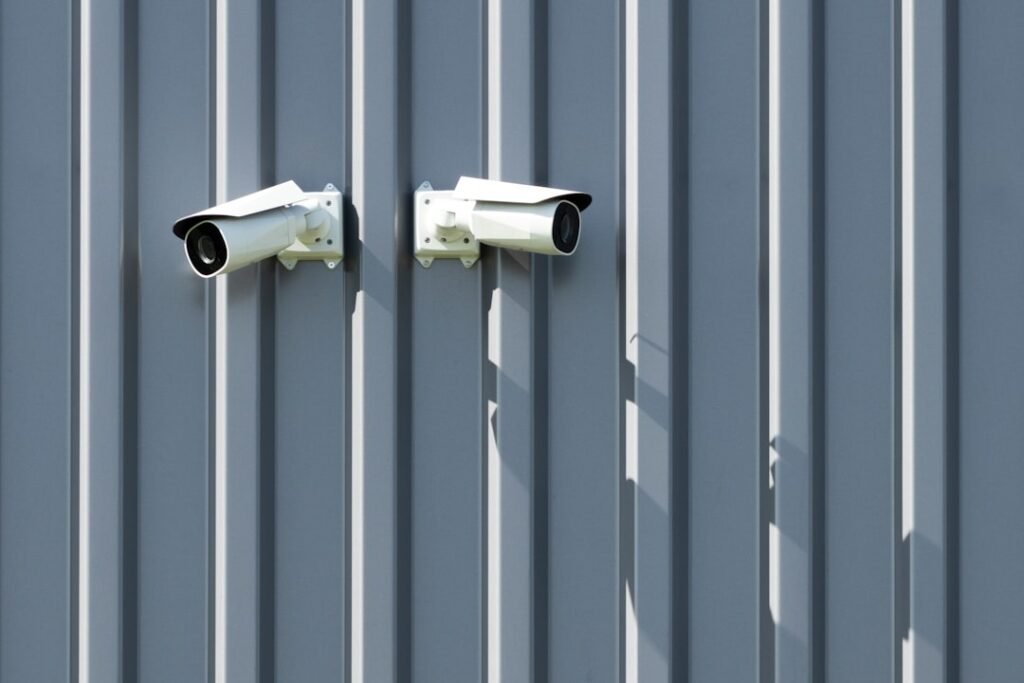
Cameras, both indoor and outdoor, provide visual surveillance and can often be accessed remotely via smartphone apps. Alarms serve as a deterrent and can notify you and local authorities in case of an emergency. By understanding these components, you can create a comprehensive security system that meets your specific needs.
How to Choose the Right DIY Home Security System for Your Home
Selecting the right DIY home security system requires careful consideration of several factors. First, assess the size and layout of your home. A larger property may necessitate more sensors and cameras to ensure comprehensive coverage, while a smaller space might only require a few strategically placed devices.
Additionally, consider any unique features of your home, such as multiple entry points or areas that may be more vulnerable to intrusion. Next, think about your lifestyle and how you plan to use the system. If you travel frequently or spend long hours away from home, you may want a system that offers remote monitoring capabilities through a mobile app.
Look for systems that provide real-time alerts and allow you to view live footage from your cameras. Furthermore, consider whether you want a wired or wireless system; wireless options are often easier to install and relocate but may require battery replacements over time.
Installation and Setup of a DIY Home Security System
Once you’ve chosen the right components for your DIY home security system, it’s time to tackle the installation process. One of the most appealing aspects of DIY systems is their straightforward setup. Most manufacturers provide detailed instructions and user-friendly interfaces that guide you through each step.
You’ll likely start by installing the control panel in a central location within your home, ensuring it’s easily accessible yet discreet. After setting up the control panel, proceed with installing sensors on doors and windows. Make sure to follow the manufacturer’s guidelines for placement to maximize their effectiveness.
For cameras, consider strategic locations that cover key areas such as entryways and driveways. Once everything is installed, take the time to test each component to ensure they are functioning correctly. This hands-on approach not only gives you peace of mind but also familiarizes you with how each part of your system operates.
Monitoring and Maintenance of a DIY Home Security System
Real-Time Alerts for Enhanced Security
Monitoring your DIY home security system is crucial for ensuring its effectiveness over time. Many systems offer options for self-monitoring through mobile apps, allowing you to receive alerts directly on your smartphone whenever an event occurs. This feature enables you to stay informed about any potential threats in real-time, giving you the opportunity to respond quickly if necessary.
Maintenance for Optimal Performance
Maintenance is another essential aspect of keeping your system in top shape. Regularly check batteries in sensors and cameras to ensure they are functioning optimally. Additionally, periodically review camera footage and sensor logs to identify any unusual activity or potential blind spots in your coverage.
Proactive Measures for Reliability
By staying proactive with monitoring and maintenance, you can enhance the reliability of your DIY home security system and ensure it continues to protect your home effectively.
Integration of Smart Home Technology with DIY Home Security Systems
The integration of smart home technology with DIY home security systems has revolutionized how homeowners approach safety and convenience. You may find it beneficial to connect your security system with other smart devices in your home, such as smart locks, lights, and thermostats. This interconnectedness allows for seamless automation; for instance, when your security system is armed, smart lights can automatically turn off or dim, creating an added layer of deterrence against potential intruders.
Moreover, many modern DIY security systems are compatible with voice-activated assistants like Amazon Alexa or Google Assistant. This compatibility enables you to control various aspects of your security setup using simple voice commands, making it even more user-friendly. Imagine being able to arm or disarm your system without lifting a finger—this level of convenience enhances not only your security but also your overall quality of life at home.
Conclusion and Final Tips for DIY Home Security Systems
In conclusion, investing in a DIY home security system offers numerous benefits that empower you to take charge of your home’s safety. From cost savings to customizable features, these systems provide an effective solution tailored to your unique needs. As you embark on this journey toward enhanced security, remember that thorough research is key; understanding the components available and how they fit into your lifestyle will help you make informed decisions.
As a final tip, don’t hesitate to seek out online communities or forums where fellow DIY enthusiasts share their experiences and advice. Engaging with others who have successfully implemented their own systems can provide valuable insights and inspiration for your project. With careful planning and execution, you’ll create a robust DIY home security system that not only protects what matters most but also gives you peace of mind in an ever-changing world.
If you’re considering setting up a DIY home security system, it’s essential to understand the basics and the importance of having one in place. A related article that could be incredibly helpful is titled “Enhancing Home Safety: The Importance of a Security System.” This article provides a comprehensive overview of why a security system is crucial for your home, covering aspects from deterrence of potential intruders to providing peace of mind. You can read more about it and get detailed insights by visiting Enhancing Home Safety: The Importance of a Security System. This resource is perfect for anyone looking to learn more about the benefits and essential features of home security systems.
FAQs
What is a DIY home security system?
A DIY home security system is a security system that can be installed and monitored by the homeowner themselves, without the need for professional installation or monitoring services.
What are the components of a DIY home security system?
Components of a DIY home security system typically include motion sensors, door and window sensors, security cameras, a control panel, and a mobile app for monitoring and control.
How does a DIY home security system work?
A DIY home security system works by using sensors and cameras to detect intruders or unusual activity. When a sensor is triggered, the system sends an alert to the homeowner’s smartphone and/or activates an alarm.
What are the benefits of a DIY home security system?
Some benefits of a DIY home security system include lower cost, easy installation, customizable features, and the ability to monitor and control the system remotely.
Are DIY home security systems reliable?
The reliability of a DIY home security system depends on the quality of the components and the homeowner’s ability to properly install and maintain the system. Many DIY systems offer reliable security features.
Do DIY home security systems require professional monitoring?
DIY home security systems do not require professional monitoring, as homeowners can monitor and control the system themselves through a mobile app. However, some DIY systems offer optional professional monitoring services.