In today’s fast-paced world, where emergencies can strike at any moment, it is crucial for homeowners to have access to lifesaving tools that can aid them in times of crisis. This is where emergency response apps come in, offering a convenient and efficient way to handle unexpected situations. From providing instant access to emergency services to offering step-by-step instructions for first aid, these apps have become an essential tool for homeowners looking to ensure the safety and well-being of their families. With just a few taps on your smartphone, you can have peace of mind knowing that help is just a click away.

1. Overview of Emergency Response Apps
Emergency response apps are mobile applications designed to provide assistance and crucial information during emergencies. These apps serve as lifesaving tools for homeowners by enabling them to access real-time alerts, emergency contacts, disaster preparedness resources, and two-way communication. By utilizing the power of technology, these apps offer numerous benefits and help individuals navigate through critical situations with ease and efficiency.
1.1 What are emergency response apps?
Emergency response apps are software applications that can be installed on smartphones, tablets, and other mobile devices. They are specifically designed to assist individuals during emergency situations by providing valuable information and tools. These apps often offer features like real-time alerts, location sharing, two-way communication, and access to emergency services directories. They serve as a comprehensive resource for homeowners in times of need.
1.2 Benefits of using emergency response apps
There are several key benefits to using emergency response apps. Firstly, these apps provide real-time alerts and notifications, ensuring that you receive immediate information about potential threats or emergencies in your area. This allows you to stay informed and take necessary precautions. Secondly, emergency response apps often offer location sharing and tracking features, allowing emergency services to locate you quickly in case of an emergency. This can significantly speed up response times and save lives.
Furthermore, these apps integrate with emergency contact information, ensuring that you can quickly reach out for help when needed. Additionally, emergency response apps provide valuable resources and information on disaster preparedness, equipping homeowners with the knowledge and tools to stay safe during emergencies. The two-way communication features allow users to report emergencies, request assistance, or seek guidance from professionals in real-time.
1.3 Popular emergency response apps
Some popular emergency response apps include:
-
Disaster Alert: This app provides real-time alerts and update on natural disasters and hazards worldwide. It offers localized notifications based on the user’s location.
-
Red Cross Emergency: Developed by the American Red Cross, this app provides emergency alerts, first aid instructions, and important safety information for a variety of situations.
-
Life360: This app allows users to create a private network with family and friends for real-time location sharing and communication during emergencies.
-
Citizen: Citizen is a community safety app that delivers real-time safety alerts and allows users to report incidents in their area. It also includes a feature for requesting emergency assistance.
-
SOS – Stay Safe!: This app offers a panic button feature, allowing users to call for help with a single touch. It also enables users to share their location and record audio or video during emergencies.
2. Key Features of Emergency Response Apps
Emergency response apps offer a wide range of features that make them invaluable tools during critical situations. Understanding these features can help homeowners choose the right app that suits their needs and enhances their ability to respond effectively in emergencies.
2.1 Real-time alerts and notifications
One of the most important features of emergency response apps is the ability to receive real-time alerts and notifications. These alerts can include weather updates, natural disaster warnings, safety advisories, or any other critical information relevant to your location. By staying informed and receiving immediate notifications, homeowners can take prompt action to protect themselves and their loved ones.
2.2 Location sharing and tracking
Many emergency response apps allow users to share their location in real-time with emergency services or selected contacts. This feature is particularly useful during situations where immediate assistance is required. By enabling location sharing and tracking, emergency responders can locate individuals in need quickly, reducing response times and increasing the chances of a successful rescue.
2.3 Emergency contact integration
Emergency response apps often provide integration with emergency contact information. This allows users to quickly access and dial emergency services, such as the police, fire department, or ambulance, directly from the app. In critical situations, this feature eliminates the need to search for contact numbers, saving precious time and ensuring immediate assistance.
2.4 Disaster preparedness resources
Another essential feature of emergency response apps is the provision of disaster preparedness resources. These apps often include guides, checklists, and instructional videos on how to prepare for different types of emergencies, such as earthquakes, hurricanes, or wildfires. By accessing these resources and following the recommended steps, homeowners can increase their preparedness and mitigate the risks associated with emergencies.
2.5 Two-way communication
Two-way communication is a vital feature of emergency response apps that allows users to interact with emergency services or other individuals in real-time. This feature enables homeowners to report emergencies, provide critical information, seek guidance, or request assistance during a crisis. By facilitating effective communication, these apps enhance the coordination and efficiency of emergency response efforts.
2.6 Emergency services directory
Emergency response apps often include directories of local emergency services, such as hospitals, shelters, or police stations. These directories provide essential contact information and can help homeowners locate the nearest facilities or services during emergencies. Having access to such information at your fingertips can significantly expedite the process of seeking help and receiving the necessary support.

3. Choosing the Right Emergency Response App
When selecting an emergency response app, it is crucial to consider several factors to ensure that it meets your specific needs and requirements. Here are some key considerations to keep in mind:
3.1 Compatibility with your device
Before choosing an emergency response app, make sure it is compatible with your device’s operating system. Check if the app is available for your smartphone or tablet, as compatibility is essential for smooth operation and optimal performance.
3.2 User-friendly interface
Choose an app that offers a user-friendly interface and intuitive navigation. During emergencies, you may be under stress or time constraints, so it is crucial to have an app that is easy to use and understand.
3.3 Positive user reviews and ratings
Read reviews and ratings from other users to gain insights into their experiences with the app. Look for apps with positive reviews, as this indicates that the app is reliable and effective in real-life emergency situations.
3.4 Integration with local emergency services
Ensure that the app you choose integrates with local emergency services in your area. This will ensure that you can directly contact the relevant authorities or services when necessary.
3.5 Offline functionality
Consider if the app offers offline functionality, as this can be crucial during emergencies when an internet connection may not be accessible. Offline features, such as offline maps or cached information, can help you stay informed even when connectivity is limited.
3.6 Additional features and customization options
Evaluate the additional features and customization options offered by the app. Look for features that align with your specific needs and requirements. For example, if you live in an area prone to wildfires, an app that provides wildfire-related resources and alerts would be beneficial.
By taking these factors into account and selecting an emergency response app that meets your needs, you can maximize the benefits and effectiveness of the app in critical situations.
4. How Emergency Response Apps Can Help Homeowners
Emergency response apps play a crucial role in ensuring the safety and well-being of homeowners during various emergency scenarios. Here are some specific ways in which these apps can be of assistance:
4.1 Personal Safety and Security
Emergency response apps provide homeowners with access to real-time alerts and notifications, enabling them to stay updated about potential threats in their area. Whether it’s severe weather, crime, or other safety concerns, these apps help homeowners take necessary precautions to protect themselves and their families.
4.2 Household Emergency Preparedness
Emergency response apps offer valuable resources and information on household emergency preparedness. They provide step-by-step guides, checklists, and instructional videos to help homeowners prepare and respond effectively to emergencies. By following these resources, homeowners can increase their readiness and minimize the impact of emergencies.
4.3 Natural Disaster Response
During natural disasters, such as hurricanes, earthquakes, or floods, emergency response apps can provide critical information regarding evacuation routes, shelter locations, and safety guidelines. They can also deliver real-time updates on changing conditions, enabling homeowners to make informed decisions and stay safe.
4.4 Medical Emergencies
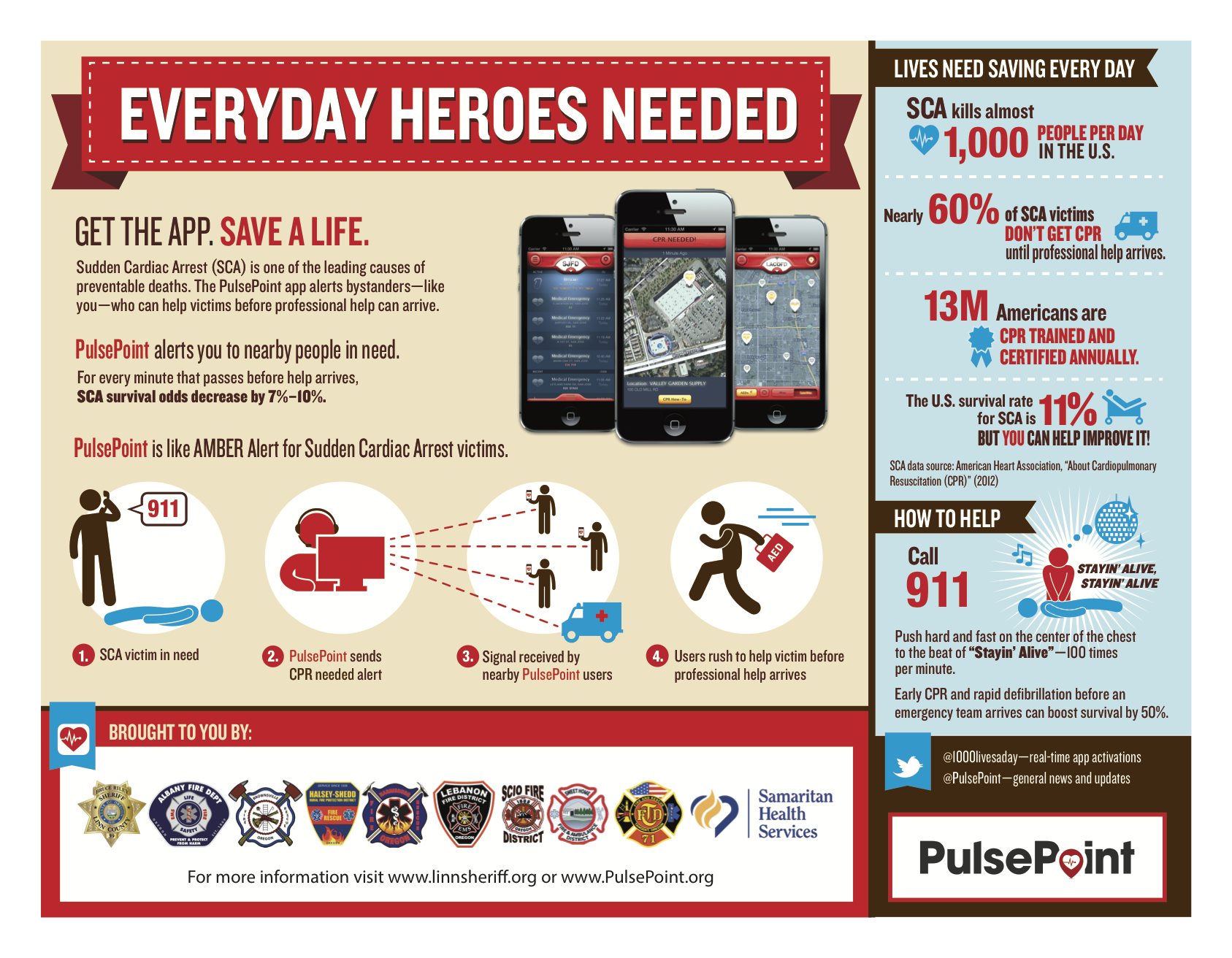
In medical emergencies, time is of the essence. Emergency response apps allow homeowners to quickly access and dial emergency medical services, providing immediate assistance. Some apps also offer instructional videos or guides on performing CPR or other life-saving techniques, equipping homeowners with the knowledge needed to respond effectively.
4.5 Fire Safety
Fire emergencies can be devastating, and every second counts when it comes to escaping and seeking help. Emergency response apps can provide information on fire safety measures, including evacuation procedures, fire extinguisher use, and contact details of local fire departments. These apps can be life-saving tools in fire-related emergencies.
4.6 Home Security and Intrusion Detection
Intrusions and burglaries are unfortunate events that homeowners may experience. Some emergency response apps offer features like alarm systems, video monitoring, and integration with home security devices. These features help homeowners enhance their home security and provide a sense of safety and peace of mind.
By utilizing emergency response apps, homeowners can significantly improve their safety and resilience in emergency situations. These apps serve as reliable and accessible tools that empower homeowners to take action and make informed decisions during critical moments.
5. Best Practices for Using Emergency Response Apps
To fully leverage the capabilities of emergency response apps, it is essential to follow some best practices. Here are some recommendations for maximizing the effectiveness of these apps:
5.1 Keep your app up to date
Regularly update your emergency response app to ensure you have access to the latest features, bug fixes, and security patches. Developers often release updates to address any issues and enhance overall performance.
5.2 Provide accurate and updated information
Ensure that the information you provide within the app, such as contact details or personal information, is accurate and up to date. This will enable emergency services to reach you or your designated contacts quickly and efficiently.
5.3 Test the app regularly
Regularly test the various features of the emergency response app to familiarize yourself with their functionalities. This will enable you to use the app effectively during emergencies and quickly access the necessary tools and resources.
5.4 Familiarize yourself with app features
Take the time to explore and understand all the features and capabilities of the app. This includes accessing the user guides, FAQ sections, or tutorials provided by the app developers. Familiarizing yourself with app features beforehand will enable you to use them confidently when an emergency occurs.
5.5 Activate emergency contacts and notifications
Make sure to activate the emergency contact integration and notifications features within the app. This will ensure that your designated contacts are easily accessible during emergencies and that you receive important alerts and updates in real-time.
5.6 Keep your device charged and accessible
Maintain your device’s battery level and ensure that it is easily accessible, even during emergencies. Keep an emergency charging option available, such as a portable charger or extra battery, to ensure that your device remains functional when needed.
By following these best practices, homeowners can optimize their use of emergency response apps and increase their preparedness and effectiveness in emergency situations.
6. Limitations and Potential Challenges
While emergency response apps offer numerous benefits, it is important to acknowledge their limitations and potential challenges. Understanding these can ensure that homeowners are aware of the potential issues they may encounter when relying on these apps:
6.1 Reliance on technology and network connectivity
Emergency response apps heavily rely on technology and network connectivity. In certain situations, such as during natural disasters or power outages, connectivity may be compromised, rendering these apps temporarily inaccessible or less effective. Homeowners should be aware of the potential limitations and have alternative communication methods or contingency plans in place.
6.2 Privacy and data security concerns
Emergency response apps often require the collection and storage of personal information. Homeowners should carefully review the privacy and data security policies of the app to ensure that their information is protected. It is advisable to choose apps from reputable developers that prioritize privacy and employ robust security measures.
6.3 Geographical limitations
Some emergency response apps may have geographical limitations and may not provide comprehensive coverage in all areas. Homeowners should research and choose an app that is relevant to their location and offers accurate and localized information.
6.4 User errors and false alarms
Human error is always a possibility when using any technology. Homeowners should be cautious to avoid sending false alarms or making unintentional errors when using emergency response apps. Familiarity with the app’s functionalities and proper usage can minimize the risk of accidental triggers or miscommunication.
6.5 Compatibility issues with outdated devices
As technology advances, older devices may become incompatible with the latest versions of emergency response apps. Homeowners should ensure that their devices meet the system requirements of the app they intend to use to avoid compatibility issues.
6.6 Limited emergency services integration
While emergency response apps often provide access to emergency service contact information, the level of integration with these services can vary. Some apps may offer direct integration and seamless communication with emergency services, while others may require users to manually dial emergency numbers. Homeowners should consider the level of integration that best suits their needs and preferences.
By being aware of the limitations and potential challenges, homeowners can effectively manage their expectations and adopt a well-rounded approach to emergency preparedness that encompasses alternate communication methods and redundancy plans.

7. Future Trends and Innovations
The development and advancement of technology continue to shape the future of emergency response apps. Several trends and innovations are emerging that have the potential to revolutionize the effectiveness and scope of these apps:
7.1 Artificial Intelligence (AI) in emergency response
The integration of artificial intelligence in emergency response apps can enhance their capabilities by automatically analyzing data, detecting patterns, and predicting potential threats. AI can assist in real-time monitoring, analyzing vast amounts of data from various sources, and providing proactive and customized guidance to users.
7.2 Internet of Things (IoT) integration
The Internet of Things (IoT) can enable seamless integration between emergency response apps and various smart devices in a home. This integration can enhance situational awareness, automate emergency notifications, and provide real-time monitoring of safety systems, such as smoke detectors or security cameras.
7.3 Augmented Reality (AR) for situational awareness
Augmented Reality (AR) can provide users with enhanced situational awareness during emergencies. By overlaying digital information on real-world environments, AR can facilitate navigation, display real-time hazards, or deliver instructions within the user’s field of vision.
7.4 Enhanced geolocation and mapping technologies
Advancements in geolocation and mapping technologies can significantly improve the accuracy and reliability of emergency response apps. These technologies enable faster and more precise location tracking, assisting emergency responders in reaching individuals in need more efficiently.
7.5 Integration with smart home devices
The integration of emergency response apps with smart home devices can enable automated safety procedures during emergencies. For example, in the event of a fire, the app can automatically unlock doors, turn on lights, or shut off gas supplies, facilitating the safe evacuation of homeowners.
7.6 Multilingual and culturally sensitive support
To cater to a diverse population, future emergency response apps are likely to incorporate multilingual support and culturally sensitive information. This will ensure that individuals from different backgrounds can access the necessary resources and receive information in their preferred language.
The future of emergency response apps is promising, with advancements in technology enabling greater effectiveness, personalization, and integration. These innovations have the potential to save more lives and empower homeowners to respond to emergencies more efficiently.
8. Conclusion
Emergency response apps are invaluable tools that provide homeowners with a wide range of features and resources to navigate through emergencies effectively. From real-time alerts and location sharing to two-way communication and access to emergency services directories, these apps offer vital support when every second counts.
By choosing the right emergency response app, homeowners can enhance their safety, security, and preparedness. Following best practices and being aware of the limitations and potential challenges associated with these apps will further optimize their effectiveness. As technology continues to advance, future trends and innovations promise to revolutionize emergency response apps, making them even more powerful lifesaving tools.
In conclusion, emergency response apps are essential for every homeowner, offering peace of mind and the ability to respond swiftly and confidently in critical situations. By embracing these lifesaving tools, homeowners can protect themselves, their families, and their homes from various threats and emergencies.
