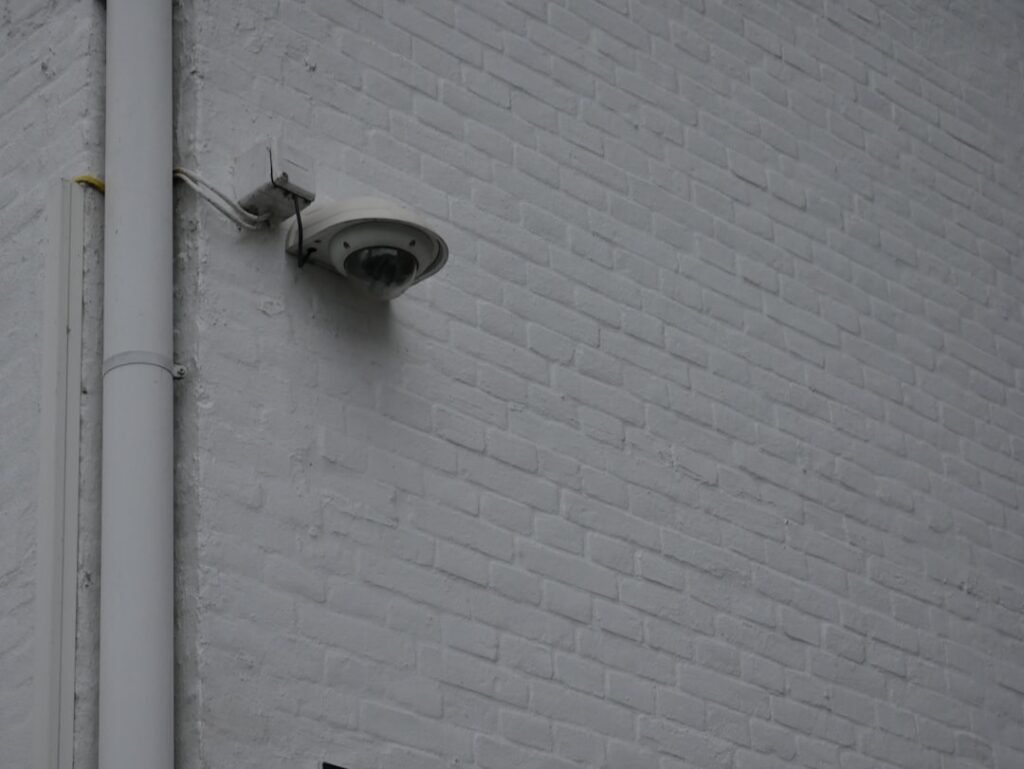
In an age where safety and security are paramount, the importance of home security camera systems cannot be overstated. You may find yourself contemplating the best way to protect your home and loved ones, and a wired home security camera system could be the answer you’re looking for. These systems offer a reliable and robust solution for monitoring your property, providing peace of mind whether you are at home or away.
Unlike their wireless counterparts, wired systems utilize physical cables to transmit video and power, ensuring a stable connection that is less susceptible to interference. As you delve into the world of home security, you will discover that wired camera systems come with a variety of features and options tailored to meet your specific needs. From high-definition video quality to night vision capabilities, these systems are designed to capture every detail.
Understanding the intricacies of wired home security camera systems will empower you to make informed decisions that enhance your home’s safety. In this article, we will explore the benefits, installation processes, and maintenance tips for wired security camera systems, as well as compare them to wireless options.
Key Takeaways
- Wired home security camera systems provide reliable and continuous surveillance for your property.
- Using a wired system ensures a stable and secure connection, reducing the risk of signal interference or hacking.
- When choosing a wired security camera system, consider factors such as camera resolution, storage capacity, and weatherproofing for outdoor use.
- Types of wired home security camera systems include analog, digital, and IP cameras, each with their own features and benefits.
- The installation process for wired home security camera systems may require professional assistance for optimal setup and functionality.
Benefits of Using a Wired Home Security Camera System
One of the primary advantages of opting for a wired home security camera system is the reliability it offers. Since these systems are hardwired into your home’s electrical system, they are less prone to disruptions caused by Wi-Fi outages or interference from other electronic devices. This means that you can trust your cameras to function consistently, providing uninterrupted surveillance around the clock.
You can rest easy knowing that your security system is always operational, capturing crucial footage when it matters most. Another significant benefit is the superior video quality that wired systems typically provide. With a direct connection to the recording device, wired cameras can transmit high-definition video without the compression issues often associated with wireless systems.
This clarity is essential for identifying faces or license plates in recorded footage, which can be invaluable in the event of a security incident. Additionally, wired systems often support more advanced features such as pan-tilt-zoom (PTZ) capabilities, allowing you to adjust the camera’s view remotely for comprehensive coverage of your property.
Factors to Consider When Choosing a Wired Security Camera System
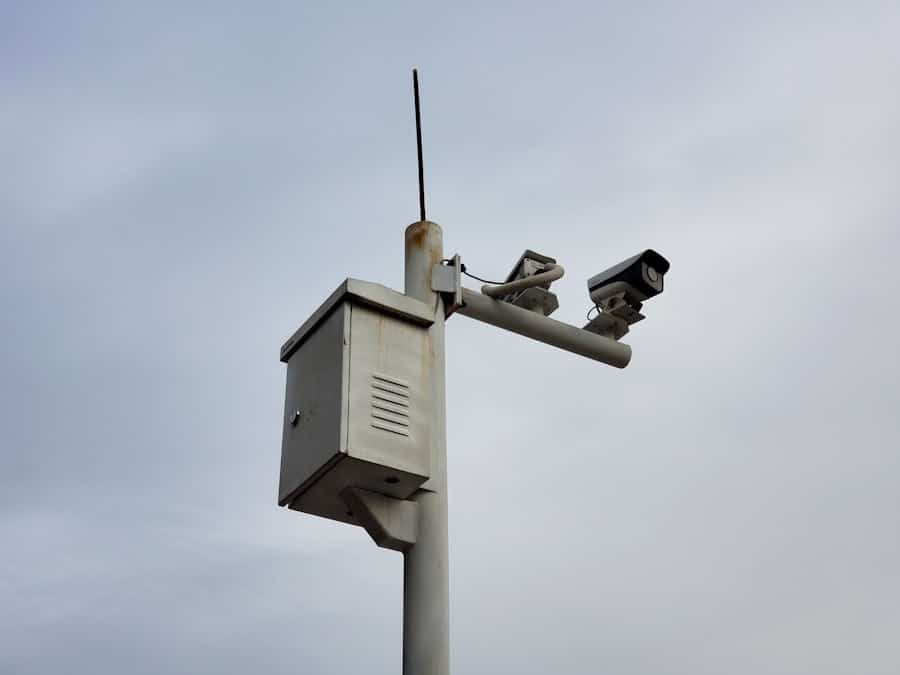
When selecting a wired security camera system, several factors should guide your decision-making process. First and foremost, consider the size and layout of your property. The number of cameras you need will depend on how much area you want to cover.
For larger homes or properties with multiple entry points, investing in a system with multiple cameras may be necessary to ensure comprehensive surveillance. You should also think about the placement of each camera; strategic positioning can significantly enhance your system’s effectiveness. Another critical factor is the resolution of the cameras.
Higher resolution cameras provide clearer images, which can be crucial for identifying intruders or capturing important details. Look for systems that offer at least 1080p resolution for optimal clarity. Additionally, consider features such as night vision capabilities and weatherproofing if you plan to install cameras outdoors.
These features will ensure that your cameras perform well in various conditions, providing reliable surveillance day and night.
Types of Wired Home Security Camera Systems
Wired home security camera systems come in various types, each designed to meet different needs and preferences. One common type is the analog camera system, which uses coaxial cables to transmit video signals to a digital video recorder (DVR). While these systems are often more affordable, they may not offer the same level of image quality as newer technologies.
However, they can still be effective for basic surveillance needs. On the other hand, IP (Internet Protocol) camera systems have gained popularity due to their advanced features and superior image quality. These cameras connect directly to your network via Ethernet cables, allowing for higher resolutions and additional functionalities such as remote access and cloud storage options.
If you are looking for a more modern solution with enhanced capabilities, an IP camera system may be the right choice for you.
Installation Process for Wired Home Security Camera Systems
Installing a wired home security camera system can be a straightforward process if you approach it methodically. First, you will need to plan out where each camera will be placed based on your property’s layout and your surveillance needs. It’s essential to choose locations that provide optimal coverage while also being discreet enough to deter potential intruders.
Once you have determined the placement of your cameras, you will need to run cables from each camera location back to your recording device or monitor. This may involve drilling holes in walls or ceilings and using cable conduits for protection. After securing the cables, connect each camera to the power source and the DVR or NVR (Network Video Recorder) as applicable.
Finally, test each camera to ensure they are functioning correctly before finalizing the installation.
Additional Features and Accessories for Wired Security Camera Systems
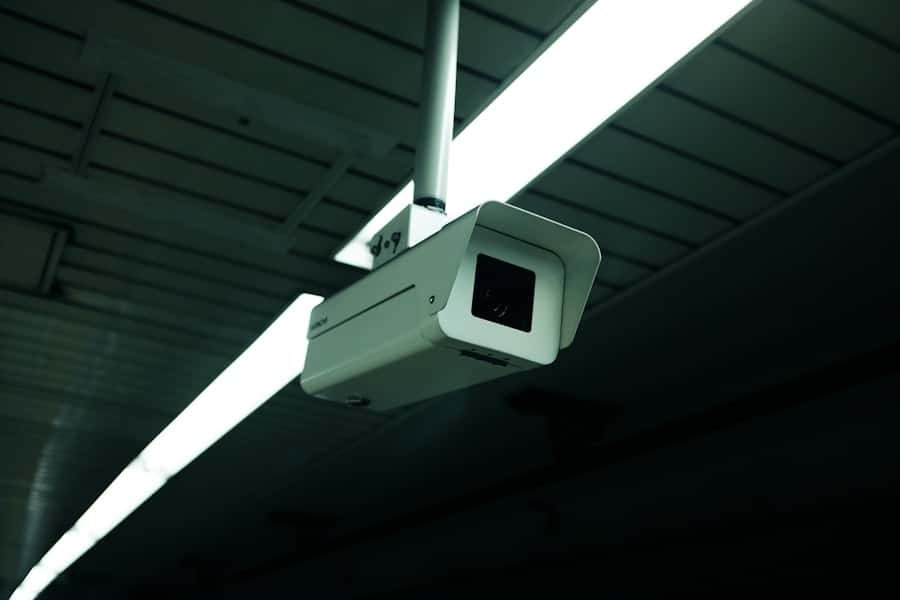
To enhance the functionality of your wired home security camera system, consider incorporating additional features and accessories that can improve its effectiveness. One popular accessory is a motion sensor light that activates when movement is detected near your cameras. This not only illuminates dark areas but also serves as a deterrent against potential intruders.
Another valuable addition is a remote viewing capability that allows you to access your camera feeds from anywhere using a smartphone or tablet. Many modern wired systems offer this feature through dedicated apps or web interfaces, enabling you to monitor your property in real-time even when you’re not at home. Additionally, consider investing in high-capacity storage solutions such as external hard drives or cloud storage services to ensure that you have ample space for recorded footage.
Maintenance and Care for Wired Security Camera Systems
Maintaining your wired home security camera system is crucial for ensuring its longevity and effectiveness. Regularly check each camera for any signs of wear or damage, particularly if they are installed outdoors where they may be exposed to harsh weather conditions. Cleaning the lenses periodically will help maintain clear image quality; simply use a soft cloth and appropriate cleaning solution to remove dust or debris.
It’s also essential to keep an eye on the cables connecting your cameras to ensure they remain intact and free from damage. Inspecting connections and ensuring that all components are securely fastened will help prevent any disruptions in service. Additionally, consider updating the firmware of your recording device regularly to benefit from any improvements or security patches provided by the manufacturer.
When deciding between wired and wireless home security camera systems, it’s essential to weigh the pros and cons of each option carefully. Wired systems are known for their reliability and superior video quality due to their direct connections; however, they require more extensive installation efforts involving cables and drilling. On the other hand, wireless systems offer greater flexibility in terms of placement since they do not rely on physical connections; this can make installation easier in some cases.
However, wireless systems can be susceptible to interference from other devices or Wi-Fi signal issues, which may compromise their effectiveness over time. If you prioritize consistent performance and high-quality footage, a wired system may be more suitable for your needs. Conversely, if ease of installation and flexibility are more important factors for you, exploring wireless options might be worthwhile.
Tips for Maximizing the Effectiveness of a Wired Home Security Camera System
To get the most out of your wired home security camera system, consider implementing several best practices that can enhance its effectiveness. First, ensure that all cameras are positioned at optimal angles to capture critical areas such as entry points and driveways. Avoid placing cameras too high or too low; ideally, they should be mounted at eye level for better identification capabilities.
Regularly reviewing recorded footage can also help you stay informed about any unusual activity around your property. Set aside time each week or month to check recordings and ensure that everything is functioning correctly. Additionally, consider integrating your security system with other smart home devices for added convenience and control over your home’s safety measures.
Common Issues and Troubleshooting for Wired Security Camera Systems
Even with proper installation and maintenance, you may encounter some common issues with your wired home security camera system over time. One frequent problem is loss of video signal due to damaged cables or loose connections. If you notice that a camera is not functioning correctly, start by checking all connections and inspecting cables for any visible damage.
Another issue could be related to power supply problems; ensure that all cameras are receiving adequate power by checking their power sources and connections. If you continue experiencing issues after troubleshooting these common problems, consulting with a professional technician may be necessary to diagnose more complex issues within your system.
Conclusion and Final Thoughts on Wired Home Security Camera Systems
In conclusion, investing in a wired home security camera system can significantly enhance your property’s safety and provide peace of mind for you and your family. With their reliability, superior video quality, and advanced features, these systems offer an effective solution for monitoring your home around the clock. By considering factors such as resolution, installation processes, and maintenance requirements, you can select a system tailored to meet your specific needs.
As technology continues to evolve, staying informed about new features and advancements in wired security systems will help you maximize their effectiveness over time. Whether you choose a basic analog setup or opt for a sophisticated IP camera system, prioritizing security will always be a wise decision in today’s world. Ultimately, taking proactive steps toward safeguarding your home will ensure that you can enjoy life with confidence and peace of mind.
When considering the installation of a home security camera system, particularly a wired setup, it’s essential to understand the broader context of home security measures. An insightful article that complements this topic is Neighborhood Watch: Collaborative Home Security. This piece delves into the importance of community involvement in enhancing the safety of individual homes, highlighting how neighborhood watch programs can work in tandem with personal security systems to create a more secure environment. By integrating a wired home security camera system with community efforts, homeowners can significantly bolster their overall security strategy.
FAQs
What is a wired home security camera system?
A wired home security camera system is a setup where the cameras are connected to the recording and monitoring equipment using physical cables, such as Ethernet cables or coaxial cables.
How does a wired home security camera system work?
In a wired home security camera system, the cameras are connected to a central recording device, such as a DVR (digital video recorder) or NVR (network video recorder), using cables. The footage captured by the cameras is then stored on the recording device and can be accessed for viewing and playback.
What are the advantages of a wired home security camera system?
Some advantages of a wired home security camera system include a more reliable and stable connection, higher video quality, and the ability to cover larger areas with multiple cameras. Wired systems are also less susceptible to interference from other wireless devices.
What are the disadvantages of a wired home security camera system?
Disadvantages of a wired home security camera system include the need for professional installation to run cables, the potential for cables to be tampered with or damaged, and the limited flexibility in camera placement compared to wireless systems.
Can a wired home security camera system be installed by the homeowner?
While some homeowners may have the skills and knowledge to install a wired home security camera system themselves, it is generally recommended to hire a professional for installation to ensure the system is set up correctly and to avoid any potential issues with the wiring.