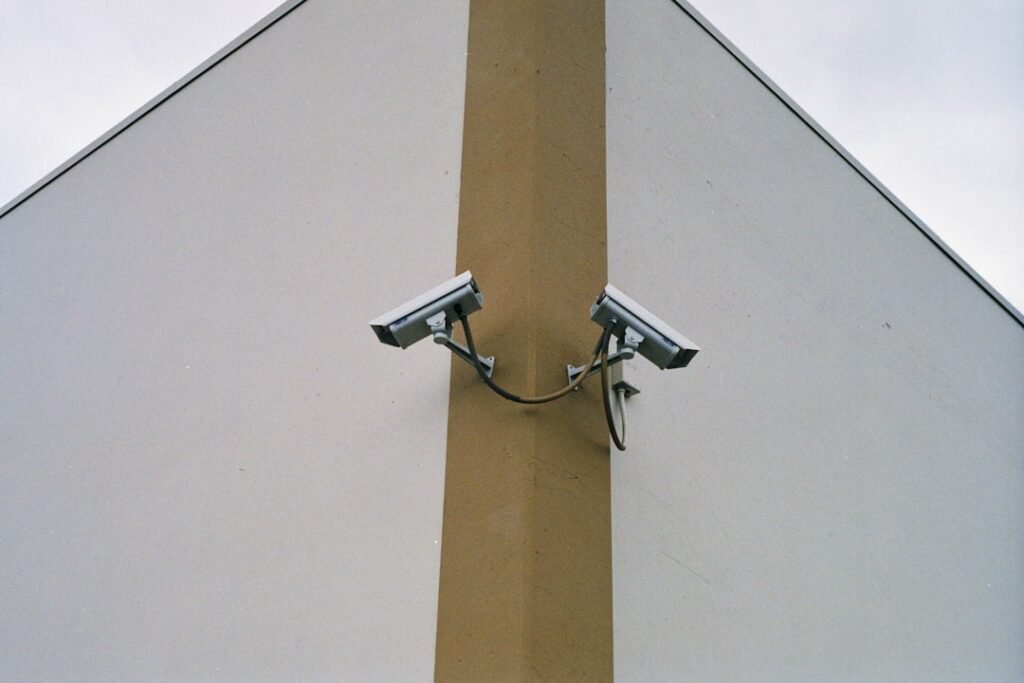
You’re standing in your living room, a comforting space that, until now, felt like an impenetrable fortress. But a flicker of doubt, a nagging disquiet, has begun to cast a shadow. It’s the gnawing realization that your sanctuary, your personal haven, might not be as secure as you believe. The world outside your windows, while seemingly benign, harbors unseen threats, and your peace of mind has started to erode like a shoreline under a relentless tide. This is where the proactive step of securing your home becomes paramount, moving from a vague notion to a pressing need. You might be asking yourself, “Where can I find reliable home security system companies near me today?” This is a crucial question, and understanding the landscape of home security solutions is the first step in rebuilding that feeling of safety and control.
Before you even begin to browse the brochures or click through websites, it’s essential to conduct a thorough assessment of your specific needs. Think of your home not just as a building, but as a layered entity, each entrance and vulnerable point a potential gateway for intrusion. Identifying these weaknesses is akin to a doctor diagnosing a patient; you need to know the symptoms to prescribe the right cure.
Assessing Your Property’s Vulnerabilities
Exterior Factors: Walk around your property, both during the day and dusk. Where are the blind spots? Are there trees or bushes close to windows that could provide cover for an intruder? Are your gates and fences robust, or do they offer little resistance? Consider the accessibility of upper-floor windows. These can often be overlooked but represent a significant entry point if not properly secured. Think about the flow of traffic in your neighborhood. Is it a high-traffic area, or a quiet cul-de-sac? This can influence the type of monitoring and deterrence you might need.
Interior Weaknesses: Once inside, where are your most valuable possessions kept? Are there specific assets that would be particularly attractive to a burglar? Consider the layout of your home. Are there long hallways leading from primary entry points to areas of value? Think about internal doors and their sturdiness. Your garage door is another primary vulnerability; ensure it is as secure as your front door. Don’t forget about secondary entrances like patios and basement access.
Identifying Your Lifestyle Considerations
Your security needs are not static; they are deeply intertwined with how you live your life.
Family and Occupancy Patterns
Do you have young children, elderly parents, or pets at home? This will influence the type of monitoring you require. For instance, the ability to remotely check on children or pets through internal cameras could be a significant factor. If you have individuals with mobility issues, panic buttons strategically placed throughout the home become more critical. If your household has variable occupancy, such as frequent travel or extended periods away, a robust system that can be monitored remotely is essential.
Technological Comfort Level
Are you a tech-savvy individual comfortable with apps, smart home integration, and complex configurations? Or do you prefer a simpler, more intuitive system with minimal fuss? Many modern systems offer varying levels of technological sophistication. Some are designed for DIY installation and app control, while others are professionally installed and managed. Be honest with yourself about what you can and will realistically manage on a day-to-day basis.
Budgetary Constraints
Home security systems can range from basic alarm packages to comprehensive smart home integrations with professional monitoring. It’s crucial to set a realistic budget. This will help narrow down your options and prevent you from being swayed by features you don’t need or can’t afford. Remember that the initial equipment cost is only one part of the equation; ongoing monthly monitoring fees are also a significant factor to consider.
If you’re considering enhancing your home security, it’s essential to explore various options available in your area. A related article that provides valuable insights on this topic is titled “Ensure the Safety of Your Home with Expert Security Services.” You can read it for tips and recommendations on choosing the right security system for your needs. For more information, visit this link.
Types of Home Security Systems
Once you’ve established a clear picture of your individual security requirements, you can begin to explore the diverse array of home security systems available. The market is like a well-stocked toolkit, offering various instruments to address different problems.
DIY vs. Professionally Installed Systems
This is a fundamental decision point, akin to choosing between assembling flat-pack furniture yourself or hiring a carpenter.
Do-It-Yourself (DIY) Systems
These systems are designed for self-installation, offering a more budget-friendly option and greater control over the setup process. You purchase the equipment, often online or from large retail stores, and follow provided instructions to install sensors, cameras, and control panels.
- Advantages: Lower upfront cost, no installation fees, flexibility in placement and expansion.
- Disadvantages: Requires some technical aptitude and time, potentially less robust than professionally installed systems if not configured correctly, may lack advanced features or integration options. Companies like SimpliSafe and Ring are prominent in this sector.
Professionally Installed Systems
These systems are installed and often configured by trained technicians from the security company. This typically involves a site survey to determine the optimal placement of all components.
- Advantages: Expert installation ensuring optimal performance, often come with more advanced features and integration capabilities, professional support and troubleshooting.
- Disadvantages: Higher upfront cost due to installation fees, potentially less flexibility in modifying the system once installed. Companies like ADT and Vivint often fall into this category.
Wired vs. Wireless Systems
The choice between wired and wireless systems is a significant technical consideration, impacting installation complexity and potential vulnerabilities.
Wired Systems
These systems rely on physical wires connecting all components to a central control panel. They are generally considered more reliable and less susceptible to signal interference.
- Advantages: Highly reliable, less prone to signal jamming, permanent and robust installation.
- Disadvantages: Installation can be invasive and costly, especially in existing homes, making modifications or additions more difficult and potentially requiring drilling through walls and ceilings.
Wireless Systems
These systems use radio frequencies or Wi-Fi to communicate between components and the control panel. They offer greater installation flexibility and are popular for their ease of setup.
- Advantages: Easy and quick installation, less invasive, flexible placement of sensors, easier to expand or move.
- Disadvantages: Can be susceptible to signal interference or jamming (though modern systems have advanced countermeasures), requires regular battery changes for sensors, potential for signal dropouts if not professionally set up in complex environments.
Monitored vs. Unmonitored Systems
This distinction dictates who responds when an alarm is triggered.
Monitored Systems
These systems are connected to a central monitoring station staffed by security professionals around the clock. When an alarm is triggered, the station is alerted and can dispatch emergency services (police, fire department) if necessary.
- Advantages: Immediate professional response, increased peace of mind, potential insurance discounts.
- Disadvantages: Involves ongoing monthly monitoring fees, requires a reliable internet or cellular connection.
Unmonitored (Self-Monitored) Systems
With unmonitored systems, you receive alerts directly to your smartphone or other designated devices when an alarm is triggered. It is then your responsibility to assess the situation and contact emergency services if needed.
- Advantages: No monthly monitoring fees, complete control over response.
- Disadvantages: Relies entirely on your availability and ability to respond to alerts, potential for delayed response if you are unavailable or miss the notification.
Key Components of a Home Security System
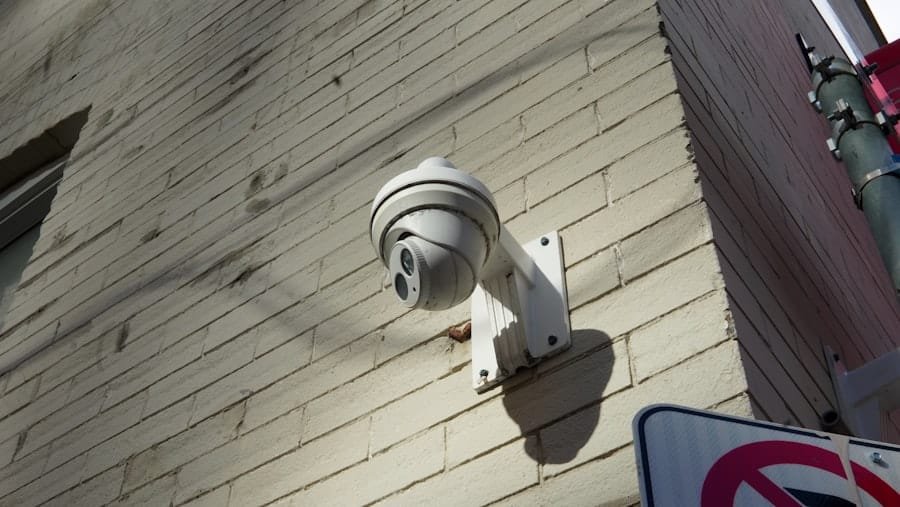
Regardless of the specific type or brand you choose, most home security systems share a common set of foundational components, acting as the nervous system of your home’s protection.
Control Panel/Hub
This is the brain of your security system. It acts as the central command center, receiving signals from all other devices, processing them, and dictating the system’s response.
- Functionality: Arming and disarming the system, managing user codes, connecting to the internet or cellular network for communication.
- Considerations: Touchscreen interfaces, voice control integration, battery backup in case of power outages.
Door and Window Sensors
These are your first line of defense, detecting breaches at entry points. They work by completing or breaking an electrical circuit when the door or window is opened or closed.
- Types: Magnetic contact sensors (most common), glass break sensors (detect the sound of breaking glass).
- Placement: All exterior doors, ground floor windows, and any accessible upper-floor windows.
Motion Detectors
These devices detect movement within a specific area, providing an additional layer of security for larger spaces.
- Technology: Passive Infrared (PIR) sensors are most common, detecting body heat. Some advanced systems use dual-technology sensors (PIR and microwave) to reduce false alarms.
- Placement: High-traffic areas, hallways, rooms containing valuables, and areas that cannot be covered by door/window sensors. Pet-immune models are available to avoid false alarms from animals.
Security Cameras
Cameras offer visual verification of events and can act as a powerful deterrent. They can be used for both indoor and outdoor surveillance.
- Types: Indoor cameras, outdoor cameras (weatherproof), doorbell cameras (integrated video and two-way audio for your front door), pan-tilt-zoom (PTZ) cameras.
- Features: High definition resolution, night vision, motion detection recording, two-way audio, cloud storage for video footage.
Environmental Sensors
These add an extra layer of protection beyond intrusion detection, safeguarding your home from other potential hazards.
- Smoke Detectors: Crucial for early fire detection, often integrated with the security system for faster notification to emergency services.
- Carbon Monoxide (CO) Detectors: Essential for detecting this odorless, colorless, and deadly gas.
- Water Leak/Flood Sensors: Can detect even small leaks, preventing significant water damage.
- Temperature Sensors: Useful for preventing frozen pipes in colder climates.
Signage and Stickers
While seemingly simple, visible signs and stickers indicating that your home is protected by a security system can be a powerful deterrent. They signal to potential intruders that your property is not an easy target, acting as a psychological barrier.
Finding and Choosing a Company

Locating reputable home security system companies near you is the tangible step toward implementing your chosen solution. This process requires due diligence, analogous to selecting a partner for a critical project.
Researching Local Service Providers
The internet is your primary compass for this exploration. Begin by conducting targeted searches for “home security companies [your city/state]” or “alarm system installation near me.”
- Online Reviews and Ratings: Platforms like Google Reviews, Yelp, and the Better Business Bureau (BBB) can offer valuable insights into customer experiences. Look for consistent patterns in reviews, both positive and negative.
- Company Websites: Examine their websites for information on services offered, experience, accreditations, and customer testimonials. A professional and informative website often reflects a well-established company.
- Local Directories: Don’t overlook traditional local business directories, which can sometimes highlight established, community-focused businesses.
Evaluating Company Credentials and Reputation
Beyond online reviews, you need to dig deeper to ensure the company is legitimate and trustworthy.
Licensing and Certifications
- State Licensing: Many states require security companies to be licensed. Verify that the companies you are considering hold the necessary licenses in your jurisdiction. This ensures they meet certain professional standards.
- Industry Certifications: While not always mandatory, certifications from industry organizations can indicate a commitment to professional development and adherence to best practices.
Professional Affiliations
- Memberships: Membership in industry associations can signify a commitment to ethical business practices and staying up-to-date with technological advancements.
Years in Business and Local Presence
- Longevity: A company that has been in business for many years often indicates stability and a strong track record.
- Local Offices: Having a physical local office can be reassuring, providing a point of contact for in-person consultations and support.
Obtaining Quotes and Comparing Services
Once you’ve shortlisted a few companies, the next step is to get concrete proposals. Treat this like gathering bids for a construction project; clarity and detail are paramount.
Requesting Detailed Proposals
- Site Survey: Most reputable companies will offer a free in-home consultation and site survey. This is crucial for them to accurately assess your needs and provide a tailored proposal. Do not settle for a quote over the phone without a proper assessment, as this can lead to overlooking critical vulnerabilities or over/under-supplying equipment.
- Itemized Equipment List: Ensure the proposal clearly lists all components included in the system (e.g., number of sensors, types of cameras, control panel model).
- Installation and Activation Fees: Be aware of any one-time fees associated with installation and system activation.
- Monitoring Fees: Clearly understand the monthly monitoring costs, the services included (e.g., police dispatch, fire dispatch, cellular backup), and contract lengths.
- Warranty and Support: Inquire about the warranty on equipment and the availability of ongoing technical support and maintenance.
Comparing Different Offerings
- Feature-to-Feature Comparison: Don’t just look at the price. Compare the specific features and capabilities of each system. One system might be cheaper but lack essential features you require.
- Contract Terms: Carefully review all contract clauses, including cancellation policies, price increase safeguards, and duration of the agreement. A lengthy contract might offer a lower monthly rate but can be restrictive.
- Customer Service Experience: During your interactions, assess the responsiveness, professionalism, and clarity of the sales representatives. This can be a good indicator of future customer service quality.
If you’re considering enhancing your home security, exploring local options can be beneficial. Many homeowners are turning to specialized services that cater to their specific needs. For instance, a recent article discusses various home security system companies available in Boise City, Idaho, which can help you find the right fit for your safety requirements. You can read more about these services in the article found here. This resource provides valuable insights into the features and benefits of different systems, ensuring you make an informed decision for your home.
Installation and Ongoing Maintenance
| Company Name | Location | Installation Time | Monthly Monitoring Fee | Equipment Warranty | Customer Rating (out of 5) | Contact Number |
|---|---|---|---|---|---|---|
| SecureHome Systems | New York, NY | 1-2 Days | 30 | 3 Years | 4.5 | (212) 555-1234 |
| SafeGuard Security | Brooklyn, NY | Same Day | 25 | 2 Years | 4.2 | (718) 555-5678 |
| HomeWatch Protection | Queens, NY | 2-3 Days | 28 | 3 Years | 4.7 | (718) 555-8765 |
| Guardian Alarm | Manhattan, NY | 1 Day | 35 | 5 Years | 4.8 | (212) 555-4321 |
| Alert Home Security | Bronx, NY | 3-4 Days | 27 | 2 Years | 4.3 | (718) 555-3456 |
The journey doesn’t end with signing a contract. The installation process and subsequent maintenance are critical to ensuring your system functions reliably for years to come.
The Installation Process
This is where the nuts and bolts come together, transforming your assessment into tangible security.
Professional Installation
- Scheduling: Work with the company to schedule an installation time that is convenient for you.
- During Installation: Be present during the installation process. This allows you to ask questions, understand the placement of components, and ensure the technician is following best practices.
- System Walkthrough and Training: The technician should provide a thorough walkthrough of the system, explaining how to arm and disarm it, what different alerts mean, and how to use any associated apps. Don’t hesitate to ask for clarification.
DIY Installation Considerations
- Read the Manual: Thoroughly read and understand the installation manual before beginning.
- Follow Instructions Precisely: Adhere strictly to the provided instructions to ensure proper functionality and avoid potential issues.
- Test All Components: After installation, test every sensor, keypad, and camera to confirm they are communicating with the hub and functioning correctly.
Maintaining Your System
A security system is not a “set it and forget it” appliance. Regular attention will ensure its continued effectiveness.
Regular Testing
- Scheduled Testing: Most systems have a self-testing feature or can be tested by contacting the monitoring center. Conduct these tests periodically (e.g., monthly) to ensure all components are operational and communication channels are clear.
- Sensor Checks: Visually inspect sensors for any damage or obstructions.
Battery Replacement
- Proactive Replacement: Wireless sensors rely on batteries. Most systems will alert you when batteries are low, but it’s good practice to have spare batteries on hand and replace them proactively, especially for critical sensors.
Software and Firmware Updates
- Automatic Updates: Many modern systems receive automatic software and firmware updates for the hub and associated devices. Ensure your system is connected to the internet to receive these critical updates that can improve performance and security.
Cleaning and Inspection
- Camera Lenses: Keep camera lenses clean to ensure clear footage.
- Sensor Functionality: Periodically dust or wipe down sensors and keypads to ensure they remain free of debris that could impede their function.
By understanding the nuances of your security needs, exploring the available system types, meticulously evaluating companies, and committing to proper installation and ongoing maintenance, you can effectively transform your home into the secure sanctuary you deserve. The act of proactively investing in your home’s security is not just about preventing crime; it is about reclaiming your peace of mind, a priceless commodity in today’s world.
FAQs
What types of home security systems do local companies typically offer?
Local home security system companies usually offer a range of options including wired and wireless alarm systems, video surveillance cameras, motion detectors, smart home integration, and 24/7 monitoring services.
How can I find reputable home security system companies near me?
You can find reputable companies by searching online reviews, asking for recommendations from friends or neighbors, checking local business directories, and verifying credentials such as licensing and certifications.
What factors should I consider when choosing a home security system company?
Important factors include the company’s reputation, range of products and services, pricing, contract terms, installation process, customer support, and whether they offer professional monitoring.
Are home security systems from local companies customizable to my specific needs?
Yes, many local home security companies offer customizable packages that can be tailored to your home’s size, layout, and your personal security preferences.
Do home security system companies near me provide professional installation and maintenance?
Most local companies offer professional installation services and ongoing maintenance or support to ensure your system operates effectively over time.