


You’re considering enhancing your home’s security, and a video doorbell has likely caught your attention. This device, more than just a chime, acts as your digital sentinel, offering a visual confirmation of who stands at your threshold before you even open the door. In today’s landscape, numerous home security system companies offer integrated solutions that include these smart doorbells. This article will delve into the offerings of these companies, guiding you through the considerations you’ll need to make when choosing a system that best suits your needs.
A video doorbell is, at its heart, a networked doorbell that incorporates a camera, microphone, speaker, and motion sensor. This combination allows it to do far more than simply announce a visitor. It fundamentally shifts the paradigm of home access from a passive act to an active, informed process. Imagine your front door as the gateway to your personal castle; a video doorbell provides your archer on the parapet, able to see and communicate with anyone approaching.
Real-Time Video and Audio Communication
Upon activation, whether by a button press or detected motion, the video doorbell streams live video and audio to your smartphone, tablet, or computer. This real-time feed is the cornerstone of its utility. You receive instant alerts wherever you are, allowing you to see and speak to visitors. This is invaluable for receiving packages when you’re not home, screening solicitors, or verifying the identity of a delivery person. It’s like having eyes and ears on your doorstep, no matter how far away you might be.
Motion Detection and Alerts
Beyond the doorbell’s button, integrated motion sensors are a critical component. These sensors use various technologies, such as passive infrared (PIR) or advanced image analysis, to detect movement within a predefined zone. When motion is detected, the system can be configured to record video and send you an alert. This proactive feature means you’re notified of activity even if no one rings the bell, providing an extra layer of awareness about your property’s perimeter. Think of it as an early warning system, flagging potential presences before they reach a critical point.
Remote Access and Control
The connectivity of these systems is paramount. Through a dedicated mobile application, you gain comprehensive remote access. You can view live feeds, review recorded footage, engage in two-way conversations, and often adjust settings like motion sensitivity or notification preferences. This level of control transforms your mobile device into a command center for your home’s entrance.
When considering the best options for home security, it’s essential to explore the latest advancements in technology, such as video doorbells, which have become increasingly popular among homeowners. For a comprehensive overview of home security system companies that offer video doorbell solutions, you can read a related article that discusses various services and features available in San Diego. Check it out here: Home Security System Service in San Diego, California. This resource provides valuable insights into how these systems can enhance your home’s security.
Key Features to Evaluate in Video Doorbell Systems
When you begin to evaluate the options presented by home security companies, certain features will distinguish one system from another. These aren’t just bells and whistles; they are the functional building blocks that determine the effectiveness and usability of the video doorbell for your specific circumstances.
Video Quality and Field of View
The clarity of the video feed is of utmost importance. You’ll want to look for devices offering high-definition resolutions (1080p or higher) for clear, detailed images. The field of view, typically measured in degrees, dictates how much of the area around your door the camera can capture. A wider field of view (e.g., 160 degrees or more) is generally preferable, as it minimizes blind spots and offers a more comprehensive perspective. Consider this as the scope of your digital lookout; a wider scope means a better understanding of your surroundings.
Night Vision Capabilities
Criminal activity, and indeed most deliveries, don’t adhere to daylight hours. Therefore, effective night vision is a non-negotiable feature. Most video doorbells employ infrared LEDs to illuminate the area in low-light conditions, producing a black-and-white image. The range and clarity of this infrared illumination will vary, so look for specifications that indicate its effectiveness in complete darkness. Without good night vision, your digital sentinel becomes effectively blind when the sun goes down.
Audio Quality and Two-Way Communication
The ability to engage in clear two-way conversations is as vital as seeing who is at your door. Poor audio quality can lead to frustrating and ineffective communication. You should assess the clarity of both the incoming audio (what you hear) and the outgoing audio (what the visitor hears you saying). Some systems offer noise cancellation technology, which can further improve the intelligibility of conversations in noisy environments. This is your voice connecting across the digital divide, ensuring your message is heard and understood.
Storage Options for Recorded Footage
Video doorbells capture events, and where those recordings are stored is a crucial consideration. Systems typically offer cloud storage, where footage is uploaded to remote servers, or local storage, often via a microSD card. Cloud storage generally involves a subscription fee but offers convenience and off-site backup. Local storage can be a one-time purchase for the card but may be vulnerable to theft or damage to the device itself. You must decide whether you prefer a subscription-based service, much like ongoing maintenance for a robust defense, or a more self-contained, on-premises solution.
Integration with Smart Home Ecosystems
For many users, the video doorbell is not an isolated device but part of a larger smart home network. Compatibility with popular smart home platforms like Amazon Alexa, Google Assistant, or Apple HomeKit can greatly enhance its utility. This integration allows for voice control, automated responses (e.g., turning on lights when motion is detected), and a more seamless user experience. Think of it as weaving your new sentinel into the fabric of your existing smart home defenses.
Popular Home Security Companies Offering Video Doorbells
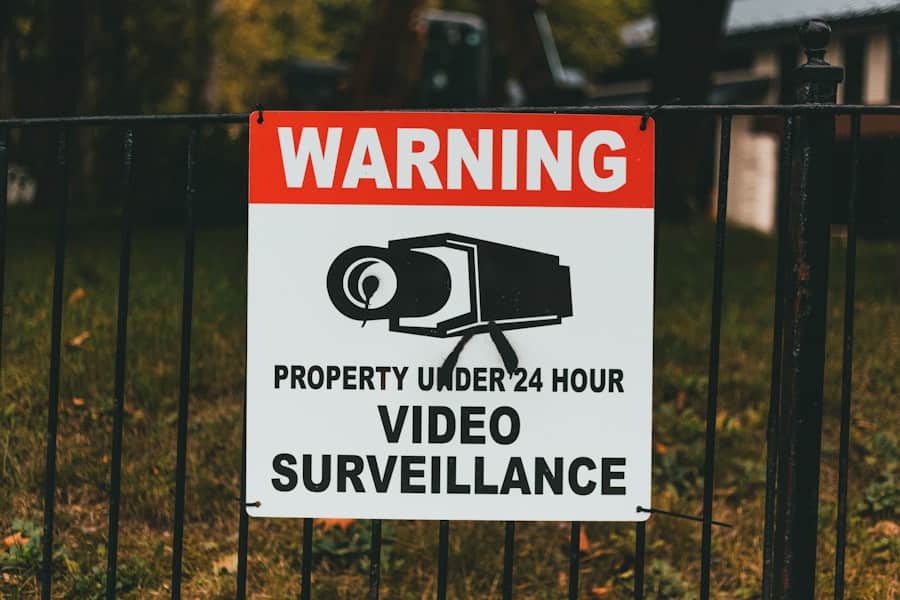
The market is populated by numerous home security companies, each vying for your attention with their offerings. These companies often bundle video doorbells as part of broader security packages, providing a comprehensive approach to home protection.
ADT Command and Control
ADT, a long-standing name in the security industry, offers integrated systems that often include their proprietary video doorbell. Their Command and Control platform allows for remote management of various security devices, including the doorbell. ADT typically operates on a subscription model, providing professional installation and 24/7 monitoring. Their approach is akin to a seasoned battalion commander overseeing your entire security perimeter.
Professional Installation and Monitoring
ADT emphasizes professional installation, ensuring your system is set up correctly and optimally. Their robust 24/7 professional monitoring service can dispatch emergency services in the event of an alarm. This level of hands-on support can be a significant draw for those seeking a comprehensive, managed security solution.
Integration with Other Security Devices
ADT systems are designed to work cohesively with a range of other security devices, such as motion sensors, door and window sensors, and internal cameras. This allows for a multi-layered defense, where the video doorbell acts as the first line of visual reconnaissance.
Vivint Smart Home Security
Vivint offers a more integrated smart home and security approach, with their video doorbell being a central component of their systems. They provide professional installation and a robust mobile app for remote control. Vivint’s systems are characterized by their sleek design and advanced technology. They aim to be the intelligent architects of your home’s security infrastructure.
Customizable Packages
Vivint allows for customization of security packages, enabling you to select the devices that best fit your needs and budget. Their video doorbell is often integrated with their smart locks and other home automation features for enhanced convenience and security.
Proactive Customer Support
Vivint is known for its customer-centric approach, offering proactive support and technical assistance. This ensures that any issues with your video doorbell or the broader system are addressed promptly.
SimpliSafe Video Doorbell Pro
SimpliSafe offers a DIY (Do-It-Yourself) approach to home security, and their video doorbell is designed for easy self-installation. While they offer professional monitoring as an optional service, the core appeal is the ability to set up and manage your system without professional installation. SimpliSafe aims to provide an accessible and flexible security solution, like a well-equipped, independent patrolman for your property.
DIY Installation and Setup
The ease of installation is a major selling point for SimpliSafe products. Their video doorbell connects wirelessly to your Wi-Fi network, and the accompanying app guides you through the setup process.
Flexible Monitoring Options
SimpliSafe offers both self-monitoring and optional 24/7 professional monitoring. This flexibility allows you to choose the level of support that best suits your preferences and budget.
Ring Alarm Security Systems with Video Doorbells
Ring, now owned by Amazon, has become synonymous with video doorbells. While they started as a standalone product, Ring now offers integrated alarm systems that include their video doorbells. This allows for a more comprehensive security solution managed through the Ring app. Ring offers a digital guardian, accessible from your pocket.
Ring App Ecosystem
The Ring app is the central hub for all Ring devices, including their alarm systems and video doorbells. This unified interface simplifies management and provides a consistent user experience across all your security components.
Optional Ring Protect Plans
Ring offers optional “Protect Plans” that provide cloud video storage, extended warranties, and, for alarm systems, professional monitoring services. These plans are subscription-based and add significant functionality to the base system.
Google Nest Doorbell Integration
Google’s Nest brand offers its own line of smart home devices, including the Nest Doorbell. While not a traditional home security company, Nest products can be integrated into a broader smart home setup for security purposes. These devices often emphasize intelligence and seamless integration with other Google services. Google’s approach is that of an intelligent overseer, integrating your home’s security into its broader digital awareness.
AI-Powered Features
Nest doorbells often leverage AI for features like person detection, familiar face recognition (depending on the model), and intelligent alerts. This advanced processing can reduce false alarms and provide more nuanced information about visitors.
Seamless Google Home Integration
For users invested in the Google Home ecosystem, Nest doorbells offer unparalleled integration. They can be controlled via Google Assistant, trigger routines, and display live feeds on compatible smart displays.
Factors to Consider When Choosing a System
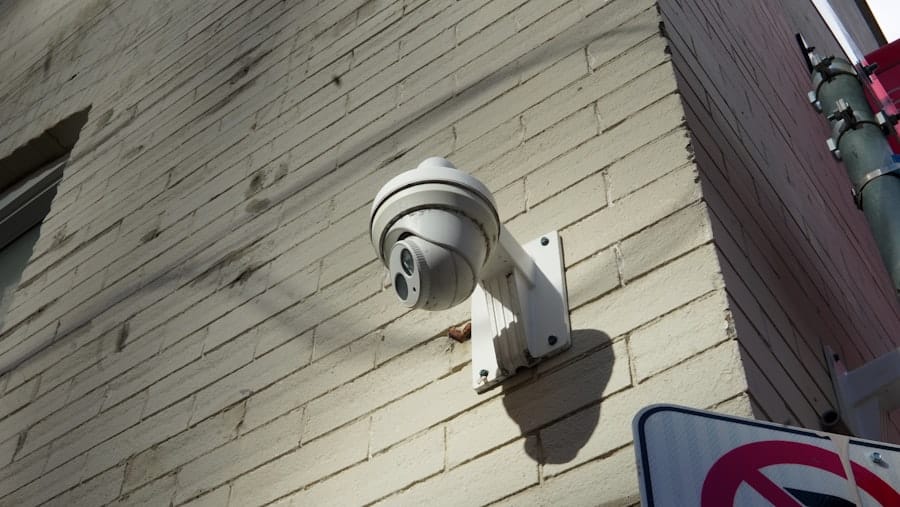
Selecting a home security system with a video doorbell is a significant decision. It’s not merely about acquiring a gadget; it’s about investing in the peace of mind and safety of your household. This requires careful consideration of your individual needs, the capabilities of the technology, and the reputation of the companies providing these solutions.
Budget and Subscription Costs
Home security systems vary considerably in upfront cost and ongoing subscription fees. While some systems might have a lower initial purchase price, they may involve higher monthly fees for monitoring, cloud storage, or advanced features. Conversely, a higher upfront investment might offer a more robust system with fewer or no recurring costs beyond basic internet. You must weigh the initial outlay against the long-term financial commitment. Consider it like choosing between a high-end, durable tool for a lifetime of use versus a more affordable option that requires frequent replacement and servicing.
Upfront Device Costs
The price of the video doorbell itself, as well as any other included sensors or components, constitutes the initial investment. This can range from under $100 for basic standalone doorbells to several hundred dollars for integrated system components.
Monthly Monitoring Fees
Many companies offer professional monitoring services for a monthly fee. This service involves a team that monitors your system’s alerts and can dispatch emergency services. The cost of this service is a recurring expense that needs to be factored into your budget.
Cloud Storage Fees
If you opt for cloud storage for your video recordings, this will likely involve a recurring subscription fee. The cost is often dependent on the amount of data storage or the number of cameras you wish to record.
Installation Options: DIY vs. Professional
| Company | Video Doorbell Model | Resolution | Field of View | Two-Way Audio | Motion Detection | Cloud Storage | Subscription Required | Smart Home Integration |
|---|---|---|---|---|---|---|---|---|
| Ring | Video Doorbell Pro 2 | 1536 x 1536 | 150° Horizontal | Yes | Advanced Motion Detection | Yes | Yes | Alexa, Google Assistant |
| Nest (Google) | Nest Hello | 1600 x 1200 | 160° Horizontal | Yes | Person Detection | Yes | Yes | Google Assistant |
| Arlo | Video Doorbell | 1536 x 1536 | 180° Horizontal | Yes | Motion Detection | Yes | Yes | Alexa, Google Assistant, Apple HomeKit |
| SimpliSafe | Video Doorbell Pro | 1080p HD | 160° Horizontal | Yes | Motion Detection | Yes | Yes | Alexa, Google Assistant |
| ADT | Video Doorbell Camera | 1080p HD | 140° Horizontal | Yes | Motion Detection | Yes | Yes | Alexa |
The method of installation is a key differentiator among providers. Do-It-Yourself (DIY) systems, like those offered by SimpliSafe, are designed for easy self-installation, saving on installation costs. Professional installation, common with companies like ADT and Vivint, ensures the system is set up correctly and optimized, but it comes with an additional fee. Your comfort level with technology and your available time will influence this decision.
Ease of Self-Installation
For those comfortable with basic wiring and app setup, DIY options can be cost-effective and empowering. Look for systems that provide clear instructions and user-friendly interfaces.
Benefits of Professional Installation
Professional installers can ensure optimal placement of devices, correct wiring, and proper configuration of the entire system. This is particularly beneficial for complex systems or for individuals who prefer not to handle technical setups.
Wireless Connectivity and Power Source
Video doorbells typically rely on your home’s Wi-Fi network for connectivity. Ensure your Wi-Fi signal is strong enough at your front door for reliable operation. Power sources can be battery-operated, meaning you’ll need to recharge or replace batteries periodically, or wired, typically connecting to your existing doorbell wiring, offering continuous power.
Wi-Fi Signal Strength
A weak Wi-Fi signal can lead to intermittent connectivity and dropped video feeds. Consider using a Wi-Fi extender if your signal is weak.
Battery-Powered vs. Wired
Battery-powered doorbells offer more flexibility in placement but require regular battery maintenance. Wired doorbells provide continuous power but require connection to existing doorbell wiring.
Privacy Concerns and Data Security
With any device that records audio and video, privacy is a paramount concern. You should investigate how companies store your data, who has access to it, and what measures they take to protect it from breaches. Look for companies that employ strong encryption protocols and have clear privacy policies. Your data is sensitive; ensure it is guarded with robust digital fortifications.
Data Encryption Methods
Understand the encryption methods used to protect your video recordings and personal information, both in transit and when stored.
Company Privacy Policies
Review the company’s privacy policy thoroughly to understand how your data is collected, used, and protected.
When considering the best options for enhancing your home security, it’s essential to explore the latest advancements in technology, such as video doorbells. These devices not only allow you to see who is at your door but also provide an added layer of protection for your home. For a comprehensive overview of home security system companies that offer video doorbells, you can check out this informative article on home security services in Anaheim, California. This resource can help you make an informed decision about the right security solutions for your needs.
Advanced Features and Future-Proofing Your Security
As technology evolves, so do the capabilities of video doorbells and integrated security systems. Considering features that offer scalability and advanced intelligence can ensure your investment remains relevant and effective for years to come.
Artificial Intelligence and Smart Analytics
The integration of AI is transforming video doorbells from simple recording devices into intelligent security hubs. AI can enable features like distinguishing between people, animals, and vehicles, reducing nuisance alerts. Some advanced systems can even recognize familiar faces, providing an added layer of personalization and security.
Person Detection vs. General Motion Detection
AI-powered person detection can differentiate between a person and other moving objects, leading to more relevant alerts.
Facial Recognition Capabilities
Higher-end systems may offer facial recognition, allowing you to see who is at your door even before they reach the button.
Two-Way Audio Enhancements
Beyond standard two-way talk, some systems offer advanced audio features. This can include noise cancellation to improve clarity in noisy environments, or even pre-recorded messages you can trigger remotely for deliveries or to deter unwanted visitors. This is your voice amplified and fortified, delivering your message with precision.
Noise Cancellation Technology
This feature helps to filter out background noise, ensuring that conversations are clear and intelligible.
Pre-recorded Message Options
The ability to play pre-recorded messages can be useful for deliveries or to quickly inform visitors of your availability.
Integration with Other Smart Home Devices
The true power of a video doorbell often lies in its ability to communicate with other smart home devices. This can trigger actions like turning on lights when motion is detected, unlocking smart locks for approved visitors, or integrating with smart alarms. This interconnectedness creates a more automated and responsive security system.
Smart Lighting and Automation
Link your doorbell to smart lights that can illuminate the entryway when motion is detected, deterring potential intruders and improving visibility.
Smart Lock Integration
For enhanced convenience, some systems allow you to remotely unlock smart doors for trusted visitors after verifying their identity via the video doorbell.
Power Options and Reliability
Consider the long-term reliability of the power source. While battery-powered doorbells are convenient, they require ongoing maintenance. Wired systems, while perhaps requiring more initial effort to install, offer consistent power. Some systems also offer backup battery power in case of an electrical outage, ensuring your security isn’t compromised.
Backup Battery Functionality
Many systems include a backup battery to maintain functionality during power outages.
Your pursuit of enhanced home security is a prudent undertaking. The evolution of video doorbells, integrated into comprehensive security systems by a variety of companies, offers a robust and convenient way to monitor your home’s entry points. By meticulously evaluating the features, considering your budget, and understanding the privacy implications, you can make an informed decision that provides lasting security and peace of mind. Your home is your sanctuary, and equipping it with a vigilant digital guardian is a wise investment in its protection.
FAQs
What features should I look for in a home security system with a video doorbell?
When choosing a home security system with a video doorbell, look for features such as high-definition video quality, two-way audio, motion detection, night vision, cloud storage options, and compatibility with smart home devices.
Are video doorbells included with most home security system packages?
Many home security companies offer video doorbells as part of their packages or as an add-on option. It’s important to check with the specific provider to see if the video doorbell is included or requires an additional purchase.
How do video doorbells enhance home security?
Video doorbells allow homeowners to see and communicate with visitors remotely via a smartphone app. They provide real-time alerts for motion or doorbell rings, helping to deter potential intruders and monitor package deliveries.
Do home security systems with video doorbells require professional installation?
Some systems offer easy DIY installation, while others may require professional setup. The complexity depends on the system’s features and wiring requirements. Many companies provide both options to suit customer preferences.
Is there a monthly fee associated with video doorbell services?
Most video doorbells require a subscription plan for cloud video storage and advanced features like extended video history or enhanced motion detection. However, some basic functionalities may be available without a monthly fee.