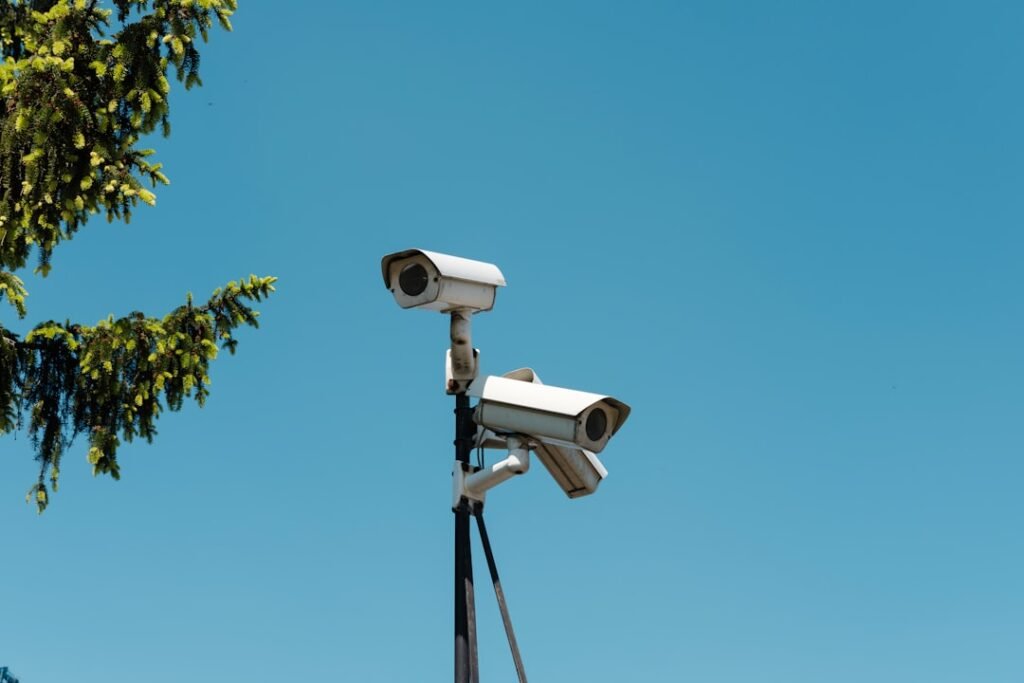
In today’s world, the safety of your home and loved ones is paramount. The installation of a home security system serves as a crucial line of defense against potential threats. You may find that the mere presence of a security system can deter intruders, making your home less appealing to those with malicious intent.
This psychological barrier is often enough to prevent break-ins, as many criminals seek out easy targets. By investing in a home security system, you are not only protecting your property but also providing peace of mind for yourself and your family. Moreover, the importance of a home security system extends beyond just theft prevention.
It can also safeguard against other dangers such as fire, carbon monoxide leaks, and flooding. Many modern systems come equipped with sensors that can alert you to these hazards, allowing you to take action before they escalate into serious problems. In essence, a home security system is an investment in your overall safety and well-being, ensuring that you can enjoy your home without constant worry about potential threats.
Key Takeaways
- Installing a home security system is important for protecting your home and family from potential threats and intruders.
- There are different types of home security systems available, including alarm systems, video surveillance, and smart home automation.
- When choosing the right home security system, consider factors such as your budget, the size of your home, and the level of protection you need.
- Steps to install a home security system include planning the layout, installing the devices, and testing the system for functionality.
- Consider the pros and cons of DIY vs professional installation, including cost, convenience, and expertise required.
Types of Home Security Systems
When considering a home security system, it’s essential to understand the various types available to you. One of the most common options is a traditional wired system, which connects all components through physical wires. This type of system is often reliable and can provide comprehensive coverage throughout your home.
However, installation can be more complex and may require professional assistance, which could add to your overall costs. On the other hand, wireless security systems have gained popularity due to their ease of installation and flexibility. These systems use radio signals to communicate between devices, allowing you to place cameras and sensors in hard-to-reach areas without the need for extensive wiring.
Additionally, many wireless systems offer mobile app integration, enabling you to monitor your home remotely from your smartphone or tablet. This feature can be particularly appealing if you travel frequently or have a busy lifestyle, as it allows you to keep an eye on your property at all times.
Choosing the Right Home Security System
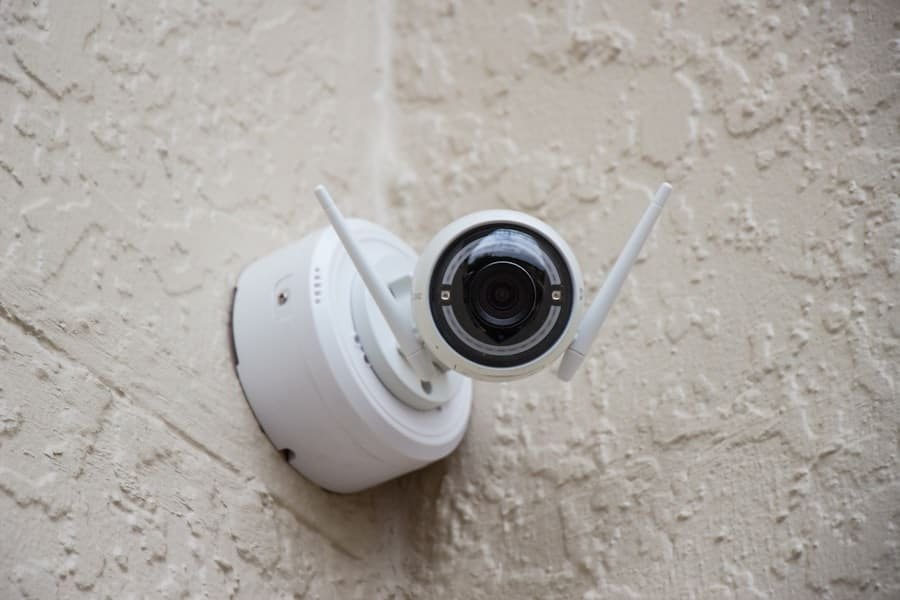
Selecting the right home security system can feel overwhelming given the multitude of options available. To make an informed decision, start by assessing your specific needs and concerns. Consider factors such as the size of your home, the number of entry points, and any particular vulnerabilities you may have.
For instance, if you live in a neighborhood with a high crime rate, you might prioritize a system with advanced surveillance features and 24/7 monitoring. Another critical aspect to consider is your budget. Home security systems can vary significantly in price, from basic DIY kits to comprehensive professional installations.
Determine how much you are willing to invest in your security and explore options within that range. Additionally, look for systems that offer scalability; this way, you can start with essential features and expand your system as your needs evolve over time. By taking these factors into account, you can choose a home security system that best fits your lifestyle and provides the protection you desire.
Steps to Install a Home Security System
Once you’ve chosen the right home security system for your needs, it’s time to move on to installation. The first step is to carefully read through the manufacturer’s instructions. Each system may have unique requirements and guidelines that are crucial for proper setup.
Familiarizing yourself with these details will help ensure a smooth installation process. Next, plan the layout of your system. Identify key areas in your home that require monitoring, such as entry points like doors and windows, as well as common areas where valuables are kept.
If you’re installing cameras, consider their placement for optimal coverage while minimizing blind spots. After mapping out your plan, gather all necessary tools and equipment before beginning the installation process. This preparation will save you time and frustration as you work through each step.
DIY vs Professional Installation
When it comes to installing a home security system, you may find yourself weighing the pros and cons of DIY versus professional installation. DIY installation can be an appealing option for those who enjoy hands-on projects and want to save on costs. Many modern security systems are designed with user-friendly features that allow for straightforward setup without requiring specialized knowledge or tools.
If you choose this route, take your time to follow instructions carefully and ensure everything is functioning correctly. However, professional installation has its advantages as well. Hiring experts can provide peace of mind knowing that your system is installed correctly and efficiently.
Professionals often have experience with various systems and can offer valuable insights on optimal placement and configuration based on their expertise. Additionally, if any issues arise during installation or setup, professionals can troubleshoot them on the spot, saving you potential headaches down the line.
Common Mistakes to Avoid During Installation
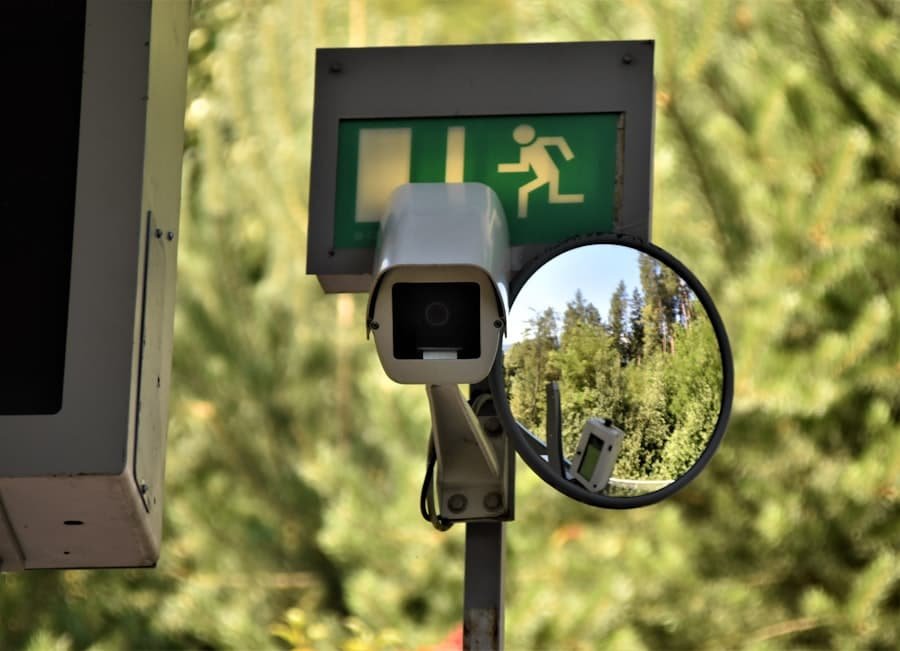
As you embark on the installation of your home security system, it’s essential to be aware of common mistakes that could compromise its effectiveness. One frequent error is improper placement of cameras or sensors. For instance, positioning cameras too high may limit their ability to capture clear images of faces or license plates.
Similarly, failing to cover all entry points can leave vulnerabilities in your security setup. Take the time to assess each area thoroughly before finalizing placements. Another mistake to avoid is neglecting to test the system after installation.
Once everything is set up, conduct thorough tests of each component—alarms, sensors, cameras—to ensure they are functioning correctly. This step is crucial for identifying any issues early on and addressing them before they become significant problems. By being mindful of these common pitfalls, you can enhance the effectiveness of your home security system and ensure it operates as intended.
Maintenance and Monitoring of Home Security Systems
After successfully installing your home security system, ongoing maintenance and monitoring are vital for ensuring its continued effectiveness. Regularly check all components for signs of wear or malfunction; this includes testing alarms and ensuring cameras are clean and unobstructed. Many systems also offer software updates that enhance functionality or address security vulnerabilities; make it a habit to keep your system updated.
Monitoring is another critical aspect of maintaining your home security system. Depending on the type of system you have chosen, you may opt for self-monitoring through mobile apps or subscribe to professional monitoring services that provide 24/7 surveillance. Professional monitoring can offer an added layer of protection by alerting authorities in case of emergencies when you may not be available to respond yourself.
Whichever route you choose, staying vigilant about monitoring will help ensure that your home remains secure.
Benefits of Having a Home Security System
The benefits of having a home security system extend far beyond mere protection against theft. One significant advantage is the potential reduction in insurance premiums; many insurance companies offer discounts for homes equipped with security systems. This financial incentive can help offset the initial investment in your system while providing added peace of mind.
Additionally, a well-installed security system can enhance your overall quality of life by allowing you to feel more secure in your environment. Knowing that you have taken proactive steps to protect your home can alleviate anxiety and stress associated with safety concerns. Furthermore, many modern systems come equipped with smart technology features that allow for remote access and control from anywhere in the world—providing convenience alongside security.
In conclusion, investing in a home security system is an essential step toward safeguarding your property and loved ones. By understanding the various types available, choosing the right one for your needs, and ensuring proper installation and maintenance, you can create a secure environment that allows you to live with confidence and peace of mind.
When considering the installation of a home security system, it’s essential to explore all available options to find the one that best suits your needs. A related article that might be helpful is titled “Best Home Security System,” which provides a comprehensive review of various security systems. This guide can assist you in comparing features, pricing, and customer feedback, ensuring you make an informed decision. For more detailed insights, you can read the article here.
FAQs
What is a home security system installation?
A home security system installation involves the setup and placement of various security devices and sensors in and around a home to protect it from intruders and other potential threats.
What are the common components of a home security system?
Common components of a home security system include door and window sensors, motion detectors, security cameras, control panel, alarm siren, and a monitoring service.
Why is it important to have a home security system installed?
Having a home security system installed provides peace of mind and protection for your family and belongings. It can deter potential intruders and provide quick response in case of emergencies.
Can I install a home security system myself?
While some home security systems are designed for DIY installation, it is recommended to have a professional install the system to ensure proper placement and functionality of the components.
How much does a home security system installation cost?
The cost of a home security system installation can vary depending on the size of the home, the type of system, and any additional features. It is best to get quotes from different security companies to compare prices.
What are some tips for choosing a home security system installer?
When choosing a home security system installer, consider their experience, reputation, and customer reviews. It is also important to ensure that the installer is licensed and insured.