In today’s world, the safety of your home and loved ones is paramount. Home security systems play a crucial role in safeguarding your property against theft, vandalism, and other potential threats. You may not realize it, but a well-implemented security system can provide you with peace of mind, allowing you to focus on your daily life without the constant worry of what might happen when you’re away.
The mere presence of security measures can deter criminals, making your home less appealing as a target. Moreover, home security systems are not just about preventing break-ins; they also offer protection against other dangers such as fire, carbon monoxide, and flooding. With the right system in place, you can receive alerts and notifications that keep you informed about any potential hazards.
This comprehensive approach to safety ensures that you and your family can enjoy your home without fear, knowing that you have taken proactive steps to protect your environment.
Key Takeaways
- Home security systems are important for protecting your home and family from potential threats and intruders.
- Types of home security systems include alarm systems, surveillance cameras, motion sensors, and smart home integration.
- When choosing a home security system, consider features such as monitoring services, mobile app access, and home automation capabilities.
- DIY installation may be cost-effective, but professional installation ensures proper setup and integration with other home systems.
- Benefits of home security systems include peace of mind, deterrence of intruders, and potential discounts on home insurance premiums.
Types of Home Security Systems
When it comes to home security systems, you have a variety of options to choose from, each designed to meet different needs and preferences. One popular choice is the traditional wired security system, which involves installing physical wires throughout your home to connect various components like cameras, alarms, and sensors. While these systems can be highly reliable, they often require professional installation and can be more expensive due to the labor involved.
On the other hand, wireless security systems have gained popularity in recent years due to their ease of installation and flexibility. These systems use Wi-Fi or cellular networks to connect devices, allowing you to monitor your home remotely through a smartphone app. This convenience means you can keep an eye on your property from anywhere in the world.
Additionally, there are smart home security systems that integrate with other smart devices in your home, providing a seamless experience that enhances your overall security.
Features to Consider When Choosing a Home Security System
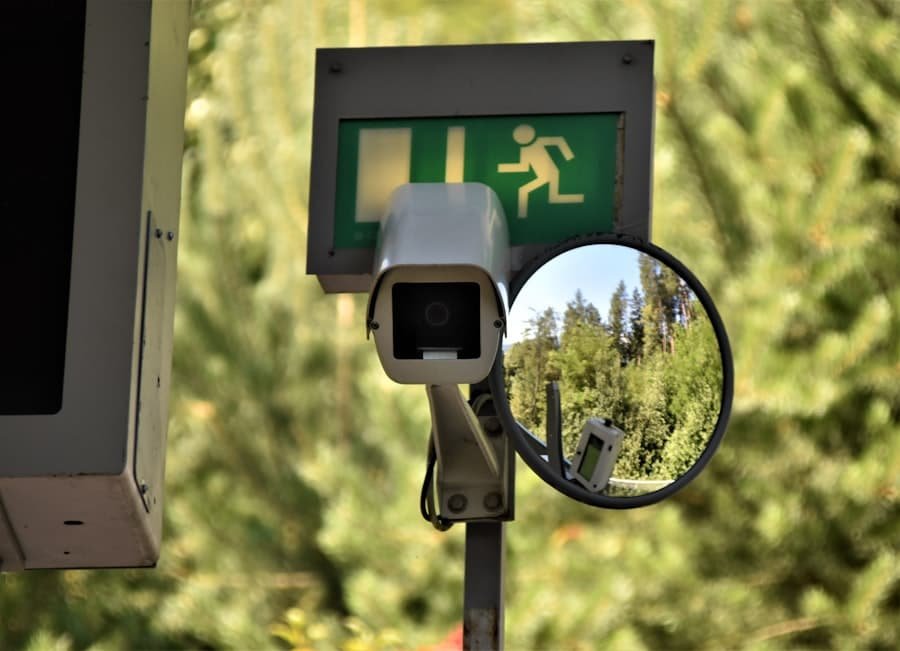
Selecting the right home security system involves considering various features that align with your specific needs. One essential feature is video surveillance. High-definition cameras can provide real-time monitoring and recording capabilities, allowing you to review footage if an incident occurs.
Look for systems that offer night vision and motion detection to ensure comprehensive coverage at all times. Another important aspect is the type of monitoring service you prefer. Some systems offer professional monitoring, where trained personnel keep an eye on your property 24/7 and can alert authorities in case of an emergency.
Alternatively, self-monitoring options allow you to receive alerts directly on your smartphone, giving you control over how you respond to potential threats. Additionally, consider features like smart locks, door/window sensors, and environmental monitoring for smoke or water leaks to create a robust security network tailored to your home.
DIY vs Professional Installation of Home Security Systems
When it comes to installing a home security system, you may find yourself weighing the pros and cons of DIY versus professional installation. DIY systems are often more affordable and allow you to customize your setup according to your preferences. You can take your time to install each component and ensure everything is positioned exactly where you want it.
This flexibility can be particularly appealing if you’re tech-savvy and enjoy hands-on projects. However, professional installation offers its own set of advantages. Trained technicians have the expertise to install complex systems efficiently and effectively, ensuring that all components are functioning correctly.
They can also provide valuable insights into the best placement for cameras and sensors based on their experience with various properties. If you’re not comfortable with technology or simply prefer a hassle-free experience, opting for professional installation might be the best choice for you.
Benefits of Home Security Systems
Investing in a home security system comes with numerous benefits that extend beyond mere protection from intruders. One significant advantage is the potential reduction in insurance premiums. Many insurance companies offer discounts for homes equipped with security systems, recognizing that these measures lower the risk of loss or damage.
By installing a system, you not only enhance your safety but also save money in the long run. Additionally, home security systems can provide a sense of community safety. When multiple homes in a neighborhood are equipped with visible security measures, it creates a deterrent effect that benefits everyone in the area.
Criminals are less likely to target neighborhoods where they perceive a higher risk of being caught. This collective effort fosters a sense of belonging and vigilance among neighbors, contributing to an overall safer environment.
Common Myths and Misconceptions About Home Security Systems
The Myth of Affluence and Crime
One common misconception about home security systems is that they are only necessary for affluent neighborhoods or high-crime areas. However, the reality is that crime can happen anywhere, and having a security system is a proactive measure that can protect any home regardless of its location.
The Ease of Use of Modern Security Systems
Another myth is that security systems are overly complicated and difficult to use. While some older models may have been challenging to navigate, modern systems are designed with user-friendliness in mind. Many come with intuitive apps that allow you to control various features with ease.
Investing in a Tailored Home Security System
By dispelling these myths, you can better understand the value of investing in a home security system tailored to your needs.
How to Choose the Right Home Security System for Your Home
Choosing the right home security system requires careful consideration of several factors unique to your situation. Start by assessing your specific needs: Do you live in a high-crime area? Do you have valuable possessions that require extra protection?
Understanding your priorities will help narrow down your options significantly. Next, consider your budget. Home security systems come in various price ranges, so it’s essential to find one that fits within your financial constraints while still offering the features you desire.
Research different brands and read customer reviews to gauge reliability and performance. Finally, think about scalability; as your needs change over time, you’ll want a system that can grow with you by adding new components or features without requiring a complete overhaul.
Tips for Maintaining and Upgrading Your Home Security System
Once you’ve invested in a home security system, maintaining it is crucial for ensuring its effectiveness over time. Regularly check all components—cameras, sensors, alarms—to ensure they are functioning correctly. Replace batteries as needed and keep software updated to protect against vulnerabilities.
Additionally, consider conducting periodic tests of your system by triggering alarms or alerts to confirm that everything is working as intended. Upgrading your home security system is also essential as technology evolves and new threats emerge. Stay informed about advancements in security technology and consider adding features like smart home integration or advanced surveillance options as they become available.
By staying proactive about maintenance and upgrades, you can ensure that your home remains secure for years to come. In conclusion, investing in a home security system is one of the most effective ways to protect your property and loved ones. By understanding the importance of these systems, exploring different types available, considering essential features, and weighing installation options, you can make an informed decision that suits your needs.
With the right system in place and proper maintenance over time, you’ll enjoy peace of mind knowing that you’ve taken significant steps toward safeguarding your home against potential threats.
If you’re considering upgrading your home security system or are curious about the effectiveness of various security measures, you might find the article “Beyond Locks and Alarms: Modern Home Security Solutions” particularly enlightening. This comprehensive guide explores advanced technologies and strategies that go beyond traditional methods to protect your home. From smart alarms to integrated home automation systems, the article provides valuable insights into how modern solutions can enhance your home’s security. You can read more about these innovative security solutions by visiting Beyond Locks and Alarms: Modern Home Security Solutions.
FAQs
What is a home security system?
A home security system is a network of integrated electronic devices and sensors designed to detect and prevent unauthorized entry into a home or property.
How does a home security system work?
Home security systems typically include sensors for doors and windows, motion detectors, and surveillance cameras. When a sensor is triggered, the system sends a signal to a central monitoring station or directly to the homeowner’s smartphone, alerting them to a potential security breach.
What are the benefits of having a home security system?
Having a home security system can provide peace of mind by deterring potential intruders and alerting homeowners to potential threats. It can also help protect against theft, fire, and other emergencies.
What are the different types of home security systems?
There are several types of home security systems, including wired systems, wireless systems, and DIY systems. Some systems are self-monitored, while others are professionally monitored by a security company.
How much does a home security system cost?
The cost of a home security system can vary depending on the type of system, the level of monitoring, and the features included. Basic systems can start at around $200, while more advanced systems with professional monitoring can cost several hundred dollars upfront, plus a monthly monitoring fee.
Are home security systems worth it?
Many homeowners find that the peace of mind and protection provided by a home security system are well worth the investment. In addition to deterring potential intruders, a home security system can also help lower homeowners’ insurance premiums.