


When you consider the safety and security of your home, the advantages of installing surveillance cameras become abundantly clear. One of the most significant benefits is the peace of mind that comes with knowing you can monitor your property at any time. Whether you’re at work, on vacation, or simply in another room, having a camera system allows you to keep an eye on your surroundings.
This constant vigilance can deter potential intruders, as they are less likely to target a home that is clearly being monitored. Moreover, home surveillance cameras can provide valuable evidence in the event of a crime. If a break-in occurs, having recorded footage can assist law enforcement in identifying suspects and recovering stolen property.
This not only aids in the investigation but can also be crucial for insurance claims. In addition to deterring crime, these cameras can help you keep track of deliveries, monitor service personnel, and even check in on pets or children when you’re not around. The multifaceted benefits of home surveillance cameras make them an essential component of modern home security.
Key Takeaways
- Home surveillance cameras provide peace of mind and security for homeowners
- Choose a surveillance camera with high resolution and night vision for optimal performance
- Proper installation includes strategic placement and securing wiring to prevent tampering
- Utilize home surveillance cameras to monitor and protect your property both indoors and outdoors
- Integrating surveillance cameras with smart home systems allows for convenient remote monitoring and control
Choosing the Right Home Surveillance Camera for Your Needs
Selecting the right surveillance camera for your home can feel overwhelming given the myriad options available. To start, you should assess your specific needs and the areas you want to monitor. Do you need indoor cameras to keep an eye on your children or pets?
Or are outdoor cameras more appropriate for monitoring your yard and entry points? Understanding your priorities will help narrow down your choices significantly. Next, consider the features that are most important to you.
High-definition video quality is essential for clear images, especially if you need to identify faces or license plates. Night vision capabilities are also crucial for outdoor cameras, as many break-ins occur after dark. Additionally, look for cameras with motion detection and alerts that can notify you of any unusual activity.
Wireless options may offer more flexibility in terms of placement, while wired cameras can provide a more stable connection. By carefully evaluating your needs and preferences, you can choose a surveillance camera that best fits your lifestyle and security requirements.
Installation Tips for Home Surveillance Cameras
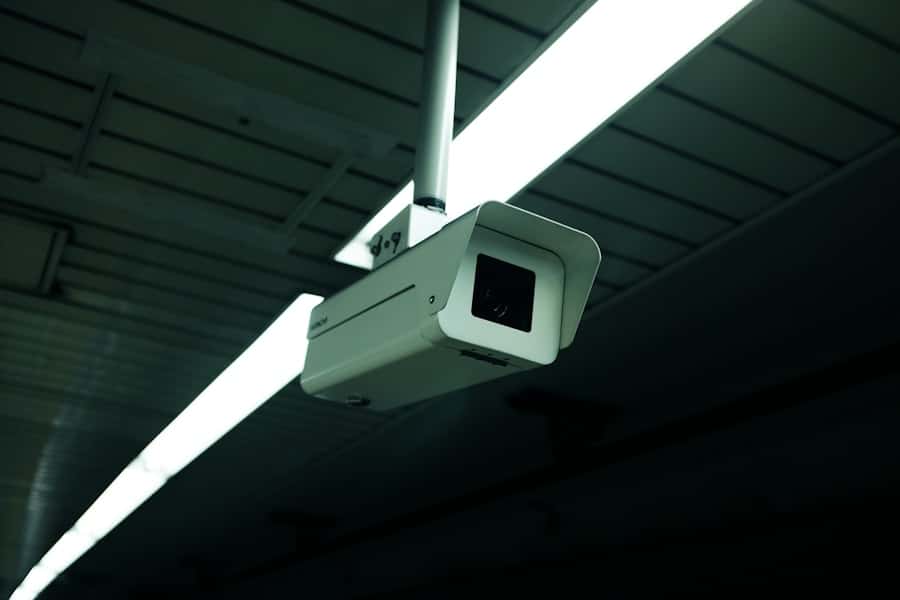
Once you’ve selected the right surveillance cameras for your home, the next step is installation. Proper placement is key to maximizing their effectiveness. Start by identifying the most vulnerable areas of your property, such as entry points like doors and windows, as well as blind spots that could be exploited by intruders.
Ideally, cameras should be mounted at a height that captures clear images while being out of reach from tampering. When installing outdoor cameras, ensure they are weatherproof and positioned to avoid glare from sunlight or reflections from windows. Indoor cameras should be placed in common areas where activity is likely to occur, such as living rooms or hallways.
Additionally, consider using a mix of fixed and pan-tilt-zoom (PTZ) cameras to cover larger areas effectively. After installation, take the time to test each camera’s view and adjust angles as necessary to ensure optimal coverage.
How to Use Home Surveillance Cameras for Home Security
Using home surveillance cameras effectively involves more than just installation; it requires active engagement with the system. Regularly check the camera feeds to familiarize yourself with normal activity patterns around your home. This will help you quickly identify any unusual behavior that may warrant further investigation.
Many modern systems come with mobile apps that allow you to view live feeds and receive alerts directly on your smartphone, making it easier to stay connected. In addition to monitoring live feeds, consider setting up a routine for reviewing recorded footage. This can be particularly useful if you suspect suspicious activity or if an incident occurs.
By keeping an eye on recorded footage, you can gather evidence that may be helpful in addressing security concerns or filing reports with law enforcement. Ultimately, being proactive in using your surveillance system will enhance your home security and help create a safer environment for you and your family.
Integrating Home Surveillance Cameras with Smart Home Systems
As technology continues to evolve, integrating your home surveillance cameras with smart home systems has become increasingly popular. This integration allows for seamless communication between devices, enhancing both convenience and security. For instance, linking your cameras with smart doorbells can provide real-time alerts when someone approaches your front door, allowing you to respond immediately.
Moreover, smart home systems often enable automation features that can enhance security further. For example, you can program your lights to turn on when motion is detected by your cameras or set up alerts that notify you when unusual activity is detected during specific hours. This interconnectedness not only simplifies monitoring but also creates a more comprehensive security solution tailored to your lifestyle.
Remote Monitoring and Access with Home Surveillance Cameras
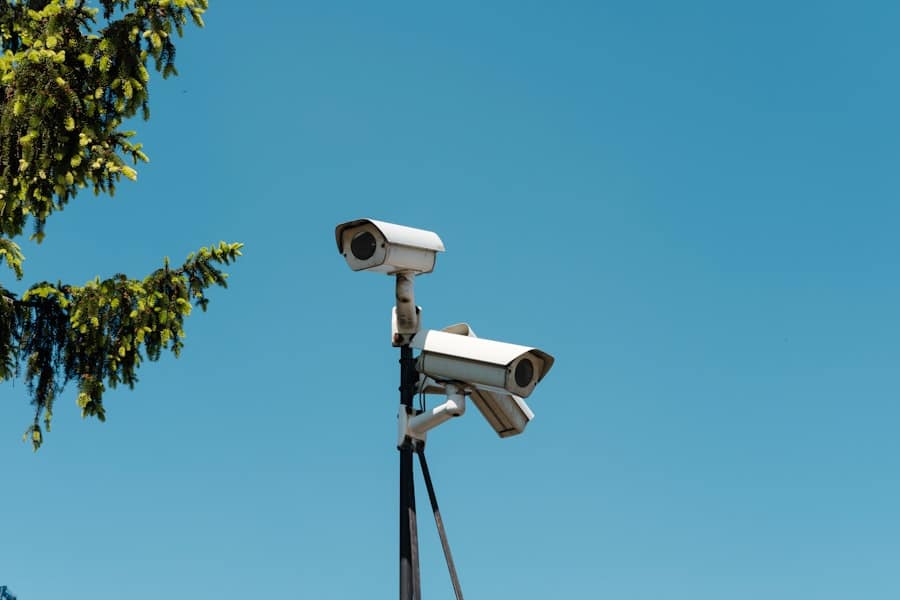
One of the most significant advancements in home surveillance technology is the ability to monitor your property remotely. With internet-connected cameras, you can access live feeds from anywhere in the world using your smartphone or tablet. This feature is particularly beneficial for those who travel frequently or spend long hours away from home.
Remote access also allows you to respond quickly to any alerts or suspicious activity. If you receive a notification about movement detected in your yard while you’re at work, you can check the live feed and determine whether it’s a false alarm or something more serious. This capability not only enhances your peace of mind but also empowers you to take action when necessary, whether that means contacting authorities or simply checking in on your property.
Legal Considerations for Using Home Surveillance Cameras
While home surveillance cameras offer numerous benefits, it’s essential to be aware of the legal considerations surrounding their use. Laws regarding surveillance vary by location, so it’s crucial to familiarize yourself with local regulations before installing cameras. Generally speaking, it’s legal to record video footage in public spaces; however, recording audio may have stricter regulations due to privacy concerns.
Additionally, if you plan to install cameras that capture areas beyond your property line—such as sidewalks or neighboring yards—you may need to take extra precautions to ensure compliance with privacy laws. It’s advisable to inform neighbors about your surveillance system and its intended use to foster transparency and avoid potential disputes. By understanding and adhering to legal guidelines, you can enjoy the benefits of home surveillance while respecting the privacy rights of others.
Maintaining and Troubleshooting Home Surveillance Cameras
To ensure your home surveillance system operates effectively over time, regular maintenance is essential. Start by routinely checking camera lenses for dirt or obstructions that could impair image quality. Cleaning the lenses with a soft cloth can help maintain clarity and ensure optimal performance.
In addition to physical maintenance, keep an eye on software updates for your camera system. Manufacturers often release updates that enhance functionality and security features. If you encounter issues such as connectivity problems or poor video quality, consult the user manual or manufacturer’s website for troubleshooting tips.
Many modern systems also offer customer support services that can assist with technical difficulties. By staying proactive about maintenance and troubleshooting, you can extend the lifespan of your surveillance system and ensure it continues to meet your security needs.
The Role of Home Surveillance Cameras in Preventing Crime
Home surveillance cameras play a pivotal role in crime prevention by acting as both a deterrent and a tool for investigation. The mere presence of visible cameras can discourage potential intruders from targeting your property, as they are aware they are being monitored. Studies have shown that homes equipped with surveillance systems are less likely to be burglarized compared to those without.
Furthermore, in the unfortunate event of a crime occurring despite precautions, having recorded footage can significantly aid law enforcement efforts in apprehending suspects and recovering stolen items. This dual function—deterrence and evidence collection—highlights the importance of incorporating surveillance cameras into your overall home security strategy.
Privacy Concerns and Home Surveillance Cameras
While home surveillance cameras enhance security, they also raise valid privacy concerns that must be addressed thoughtfully. It’s essential to strike a balance between protecting your property and respecting the privacy rights of others. For instance, avoid placing cameras in areas where individuals have a reasonable expectation of privacy, such as bathrooms or bedrooms.
Additionally, consider how recorded footage is stored and who has access to it. Implementing strong passwords and encryption measures can help protect against unauthorized access to your camera feeds and recordings. Open communication with family members and neighbors about your surveillance practices can also alleviate concerns and foster trust within your community.
Future Trends in Home Surveillance Camera Technology
As technology continues to advance at a rapid pace, the future of home surveillance cameras looks promising. One emerging trend is the integration of artificial intelligence (AI) into camera systems, allowing for smarter detection capabilities. AI-powered cameras can differentiate between people, pets, and vehicles, reducing false alarms and providing more accurate alerts.
Another exciting development is the increasing use of cloud storage solutions for video footage. This allows homeowners to access their recordings from anywhere without worrying about local storage limitations or hardware failures. Additionally, advancements in video analytics will enable more sophisticated monitoring features, such as facial recognition and behavior analysis.
In conclusion, investing in home surveillance cameras offers numerous benefits that enhance both security and peace of mind. By understanding how to choose the right system, install it effectively, and utilize its features fully, you can create a safer environment for yourself and your loved ones while navigating the legal landscape responsibly.
When considering the installation of a home surveillance camera, it’s essential to understand the broader context of home security to ensure comprehensive protection. A valuable resource that complements this topic is the article titled “Protecting Your Home: A Comprehensive Guide to Home Security.” This guide provides in-depth insights into various aspects of home security, including the integration of surveillance systems with other security measures. For more detailed information, you can read the full article by following this link.
FAQs
What is a home surveillance camera?
A home surveillance camera is a device that is used to monitor and record activities in and around a home. It is typically used for security purposes to deter theft, vandalism, and other criminal activities.
How does a home surveillance camera work?
A home surveillance camera works by capturing video footage of its surroundings and transmitting the footage to a monitor or recording device. Some cameras also have the capability to send the footage to a smartphone or computer for remote viewing.
What are the benefits of using a home surveillance camera?
The benefits of using a home surveillance camera include increased security, peace of mind, and the ability to monitor activities in and around the home while away. Surveillance cameras can also provide evidence in the event of a break-in or other criminal activity.
What are the different types of home surveillance cameras?
There are several types of home surveillance cameras, including indoor cameras, outdoor cameras, wireless cameras, wired cameras, and smart cameras with advanced features such as motion detection and two-way audio.
Are home surveillance cameras legal?
In most places, it is legal to install home surveillance cameras on your own property. However, there are laws and regulations regarding where cameras can be placed and how the footage can be used. It is important to research and understand the laws in your area before installing surveillance cameras.
What should I consider when choosing a home surveillance camera?
When choosing a home surveillance camera, it is important to consider factors such as the camera’s resolution, field of view, night vision capabilities, weather resistance (for outdoor cameras), and whether it has features such as motion detection and remote viewing. It is also important to consider the cost and any additional fees for cloud storage or monitoring services.


