In an age where safety and security are paramount, the importance of home security devices cannot be overstated. You may find yourself increasingly concerned about the safety of your home and loved ones, especially with rising crime rates in various areas. Home security devices have evolved significantly over the years, offering a range of options that cater to different needs and preferences.
From simple locks to sophisticated surveillance systems, these devices are designed to provide peace of mind and protect your property. As you explore the world of home security, you will discover that these devices not only serve as deterrents against potential intruders but also offer you the ability to monitor your home remotely. With advancements in technology, many security devices now come equipped with features that allow you to receive real-time alerts, view live footage, and even control your system from your smartphone.
This article will delve into the various aspects of home security devices, comparing them with traditional security measures, and helping you determine which option is best suited for your home.
Key Takeaways
- Home security devices offer advanced technology for protecting homes
- Traditional security measures provide a sense of reliability but may lack modern features
- Home security devices come in various types with different features to suit different needs
- Home security devices have proven to be effective in deterring intruders and providing peace of mind
- Home security devices may have a higher initial cost but can be more cost-effective in the long run
Traditional Security Measures: Pros and Cons
When considering home security, traditional measures such as deadbolts, window locks, and neighborhood watch programs often come to mind. These methods have been used for decades and have their own set of advantages. For instance, installing sturdy locks on doors and windows can significantly reduce the likelihood of a break-in.
Additionally, being part of a neighborhood watch can foster a sense of community and vigilance among residents, making it harder for criminals to operate unnoticed. However, traditional security measures also have their drawbacks. While they can be effective in deterring crime, they often lack the proactive capabilities that modern technology offers.
For example, a locked door may keep out an intruder, but it won’t alert you if someone is attempting to break in. Furthermore, traditional measures may require more physical effort and time to implement, as they often involve manual checks and maintenance. As you weigh the pros and cons of these methods, it’s essential to consider how they align with your lifestyle and security needs.
Home Security Devices: Types and Features
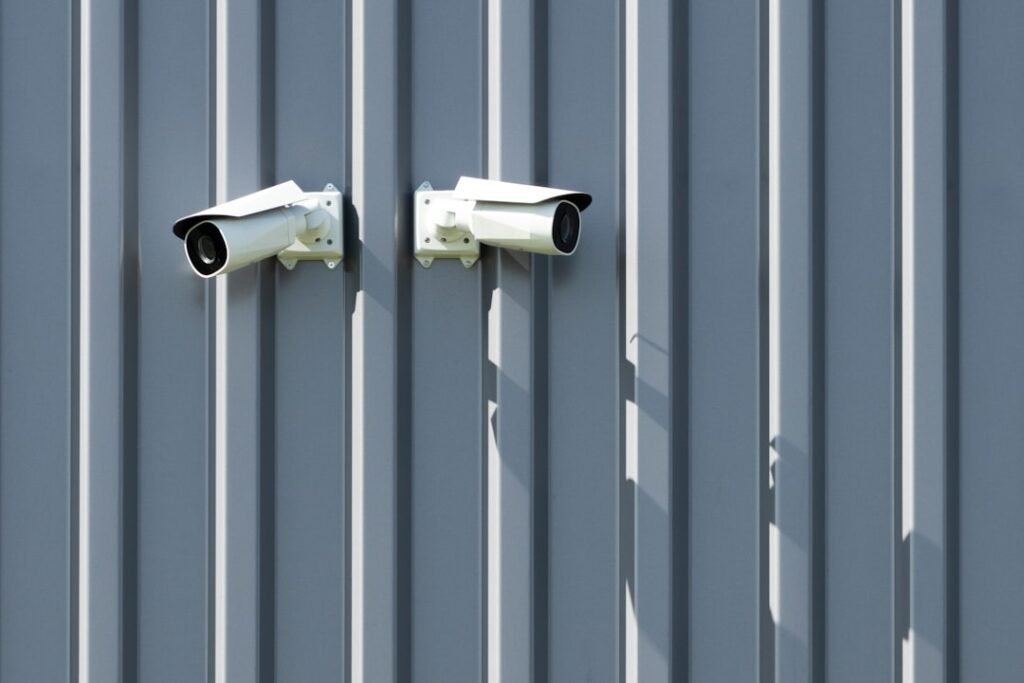
As you delve deeper into home security devices, you’ll find a plethora of options available on the market today. These devices can be broadly categorized into several types, each with unique features designed to enhance your home’s safety. One of the most common types is surveillance cameras, which can be installed both indoors and outdoors.
These cameras often come equipped with night vision, motion detection, and cloud storage capabilities, allowing you to monitor your property at any time. Another popular category is alarm systems, which can alert you and law enforcement in case of unauthorized entry. Many modern alarm systems are customizable, enabling you to set up different zones within your home and receive notifications directly on your smartphone.
Additionally, smart locks have gained popularity for their convenience; they allow you to lock or unlock your doors remotely and even grant temporary access to guests without needing physical keys. As you explore these options, consider which features are most important for your specific situation.
Effectiveness of Home Security Devices
The effectiveness of home security devices is a crucial factor to consider when deciding how to protect your home. Research has shown that homes equipped with security systems are less likely to be targeted by burglars compared to those without any form of protection. The mere presence of cameras or alarm signs can act as a deterrent, making potential intruders think twice before attempting a break-in.
Moreover, many modern security devices offer advanced features that enhance their effectiveness. For instance, motion sensors can detect unusual activity around your property and send alerts directly to your phone. This allows you to respond quickly in case of an emergency.
Additionally, some systems integrate with local law enforcement agencies, ensuring that help is dispatched promptly if needed. As you evaluate the effectiveness of these devices, consider how they can provide not just deterrence but also active monitoring and response capabilities.
Cost Comparison: Home Security Devices vs Traditional Security Measures
When it comes to securing your home, cost is often a significant consideration. Traditional security measures like deadbolts and window locks typically require a one-time investment for installation but may incur additional costs for maintenance or upgrades over time. On the other hand, home security devices can vary widely in price depending on the type and features you choose.
While some basic systems may be affordable, more advanced options with comprehensive monitoring capabilities can be quite expensive. However, it’s essential to look beyond the initial costs when comparing these two approaches. Home security devices often come with subscription fees for monitoring services or cloud storage for video footage.
In contrast, traditional measures may require less ongoing expense but could leave you vulnerable if not regularly maintained or updated. As you assess the financial implications of each option, consider not only the upfront costs but also the long-term value they provide in terms of safety and peace of mind.
Ease of Installation and Use
Another critical aspect to consider when choosing between traditional security measures and modern home security devices is ease of installation and use. Traditional locks and window bars typically require professional installation or at least some DIY skills, which can be a barrier for many homeowners. Once installed, however, they are generally straightforward to use—simply lock or unlock as needed.
In contrast, many home security devices are designed with user-friendliness in mind. Wireless systems often come with easy-to-follow instructions that allow you to set them up without professional help. Additionally, many devices now feature intuitive mobile apps that enable you to control your security system from anywhere.
This ease of use can be particularly appealing if you lead a busy lifestyle or prefer a hands-on approach to managing your home’s safety. As you evaluate your options, think about how comfortable you are with technology and whether you prefer a straightforward installation process.
Integration with Smart Home Technology
As smart home technology continues to gain traction, the ability to integrate home security devices with other smart systems has become increasingly important. If you already have smart devices in your home—such as smart lights or thermostats—you may want a security system that can seamlessly connect with them. This integration allows for enhanced automation; for example, you can program your lights to turn on when your security camera detects motion or receive alerts on your smart speaker when someone approaches your door.
Moreover, many modern security systems are compatible with voice assistants like Amazon Alexa or Google Assistant, enabling you to control your security features using simple voice commands. This level of integration not only enhances convenience but also allows for more comprehensive home automation solutions that can improve overall safety and efficiency in your daily life. As you consider your options, think about how well each system can integrate with your existing smart home setup.
Which Option is Best for Your Home?
Ultimately, the decision between traditional security measures and modern home security devices depends on various factors unique to your situation. If you value simplicity and low maintenance costs, traditional measures may be sufficient for your needs. However, if you’re looking for advanced features like remote monitoring and real-time alerts, investing in modern home security devices could provide greater peace of mind.
As you weigh your options, consider factors such as budget, ease of use, effectiveness, and how well each system aligns with your lifestyle. Remember that the best choice is one that not only meets your immediate security needs but also adapts to any future changes in technology or personal circumstances. By carefully evaluating these aspects, you’ll be better equipped to make an informed decision that ensures the safety of your home and loved ones for years to come.
If you are interested in learning more about cybersecurity for smart homes and protecting your data, check out the article Cybersecurity for Smart Homes: Protecting Your Data. This article provides valuable information on how to secure your smart home devices and keep your personal information safe from cyber threats. It complements the discussion on home security devices and traditional security measures, offering insights into the importance of protecting your data in today’s digital age.
FAQs
What are home security devices?
Home security devices are electronic systems designed to protect homes from intruders and other security threats. These devices can include alarms, cameras, motion sensors, and smart locks.
What are traditional security measures?
Traditional security measures typically include physical barriers such as locks, deadbolts, and security bars on windows, as well as neighborhood watch programs and security patrols.
How do home security devices compare with traditional security measures?
Home security devices offer advanced features such as remote monitoring, smartphone integration, and real-time alerts, while traditional security measures rely on physical barriers and community vigilance.
Do home security devices provide better protection than traditional security measures?
Home security devices can provide more comprehensive and convenient protection, as they offer features such as video surveillance, remote access, and integration with smart home systems. However, traditional security measures can still be effective in deterring intruders.
Are home security devices more expensive than traditional security measures?
Home security devices can be more expensive upfront due to the cost of equipment and installation, but they may offer long-term cost savings through potential insurance discounts and added home value. Traditional security measures may be more affordable initially but may not offer the same level of protection.