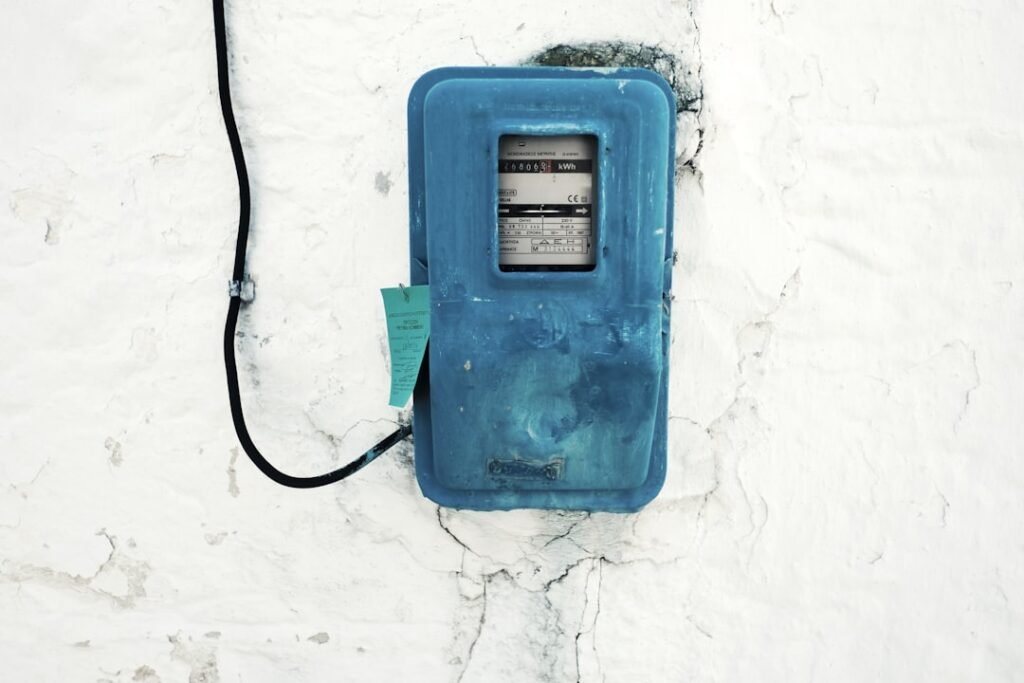
Power surges are sudden increases in voltage that can occur in electrical systems, often lasting only a fraction of a second. These surges can be caused by various factors, including lightning strikes, power outages, or even the operation of large appliances within your home. When a surge occurs, it can send a jolt of electricity through your wiring, potentially damaging any connected devices.
Understanding the nature of power surges is crucial for homeowners, especially those who rely on electronic devices for security and safety. You might be surprised to learn that power surges can happen even when the weather is calm. For instance, when large appliances like refrigerators or air conditioners cycle on and off, they can create fluctuations in the electrical current.
These fluctuations can lead to surges that may not be immediately noticeable but can accumulate over time, causing wear and tear on your devices. By recognizing the potential sources of power surges, you can take proactive steps to protect your home and its valuable electronic equipment.
Key Takeaways
- Power surges are sudden and temporary increases in voltage that can damage electronic devices.
- Power surges can pose a risk to home security devices, causing malfunctions or complete failure.
- Surge protection devices can help safeguard home security devices from power surges.
- Backup power options such as uninterruptible power supplies (UPS) can provide added protection for home security devices.
- Common home security devices affected by power surges include security cameras, alarm systems, and smart locks.
Risks of Power Surges to Home Security Devices
Home security devices are designed to keep you safe and secure, but they are not immune to the damaging effects of power surges. When a surge occurs, it can compromise the functionality of these devices, rendering them ineffective when you need them most. For example, a surge could damage the internal circuitry of your security cameras or alarm systems, leading to malfunctions that may go unnoticed until an emergency arises.
This risk underscores the importance of safeguarding your security devices against unexpected electrical fluctuations. Moreover, the financial implications of power surges can be significant. Replacing damaged security devices can be costly, not to mention the potential loss of peace of mind if your system fails during a critical moment.
You may find yourself facing not only the expense of repairs or replacements but also the emotional toll of feeling vulnerable in your own home. Understanding these risks is essential for making informed decisions about how to protect your home security devices from power surges.
Surge Protection in Home Security Devices
Surge protection is an essential feature for any home security device. Many modern security systems come equipped with built-in surge protection, which helps to absorb excess voltage and prevent damage to sensitive components. However, not all devices are created equal; some may offer more robust protection than others.
When selecting security devices for your home, it’s important to consider those that prioritize surge protection as part of their design. In addition to built-in protections, you can enhance the safety of your home security devices by using external surge protectors. These devices act as a barrier between your security systems and the electrical supply, absorbing excess voltage before it reaches your equipment.
By investing in high-quality surge protectors, you can significantly reduce the risk of damage from power surges and ensure that your security devices remain operational even during electrical disturbances.
Backup Power Options for Home Security Devices
In addition to surge protection, having a reliable backup power source for your home security devices is crucial. Power outages can occur unexpectedly, leaving your security systems vulnerable when they are needed most. Battery backups are a popular solution for maintaining functionality during outages.
Many modern security systems offer battery-operated options that automatically switch to battery power when the main supply is interrupted. Another option to consider is an uninterruptible power supply (UPS). A UPS provides a continuous power source for your devices, allowing them to operate seamlessly during outages or fluctuations in voltage.
This ensures that your home security systems remain active and effective at all times. By exploring these backup power options, you can enhance the reliability of your home security devices and maintain peace of mind even in challenging circumstances.
Common Home Security Devices Affected by Power Surges
Several common home security devices are particularly susceptible to damage from power surges. Security cameras, for instance, rely on sensitive electronic components that can be easily compromised by sudden voltage spikes. If a surge damages your cameras, you may lose critical surveillance capabilities just when you need them most.
Similarly, alarm systems and motion detectors can also be affected, leading to false alarms or complete system failures. Smart home devices, such as smart locks and doorbell cameras, are increasingly popular but are also vulnerable to power surges. These devices often connect to your home’s Wi-Fi network and rely on stable electrical currents for optimal performance.
A surge could disrupt their connectivity or damage their internal components, leaving you without essential security features. Being aware of which devices are at risk allows you to take appropriate measures to protect them from potential damage.
Steps to Protect Home Security Devices from Power Surges
Taking proactive steps to protect your home security devices from power surges is essential for maintaining their functionality and longevity. One of the first measures you should consider is installing whole-house surge protection systems. These systems are designed to protect all electrical circuits in your home from voltage spikes, providing a comprehensive layer of defense against surges.
In addition to whole-house protection, using individual surge protectors for specific devices is also advisable. Look for surge protectors with a high joule rating, as this indicates their capacity to absorb energy from surges effectively. Furthermore, ensure that any surge protectors you use are compatible with the specific requirements of your security devices.
Regularly inspecting and replacing surge protectors as needed will help ensure ongoing protection against power surges.
Importance of Regular Maintenance for Home Security Devices
Regular maintenance is vital for ensuring that your home security devices function optimally and remain protected against potential threats, including power surges. Just like any other electronic equipment, security devices require periodic checks and updates to ensure they are operating correctly. This includes testing alarms, checking camera angles, and ensuring that all components are securely connected.
Additionally, keeping software and firmware up-to-date is crucial for maintaining the integrity of smart security devices. Manufacturers often release updates that address vulnerabilities or improve performance; neglecting these updates could leave your devices exposed to risks. By committing to regular maintenance routines, you can enhance the reliability of your home security systems and ensure they remain effective in protecting your home.
Choosing the Right Home Security Devices for Surge Protection
When selecting home security devices with surge protection in mind, it’s essential to do thorough research and consider various factors. Look for products from reputable manufacturers known for their commitment to quality and reliability. Reading customer reviews and seeking recommendations can provide valuable insights into which devices offer robust surge protection features.
Additionally, consider the specific needs of your home and lifestyle when choosing security devices. For instance, if you live in an area prone to thunderstorms or frequent power fluctuations, investing in high-quality surge-protected devices becomes even more critical. By taking the time to choose the right equipment and ensuring it has adequate surge protection features, you can significantly enhance the safety and reliability of your home security system.
In conclusion, understanding power surges and their potential impact on home security devices is crucial for every homeowner. By recognizing the risks associated with power surges and taking proactive measures such as investing in surge protection and backup power options, you can safeguard your valuable security equipment. Regular maintenance and careful selection of devices will further enhance their resilience against electrical disturbances, ensuring that your home remains secure at all times.
If you are looking to enhance your home security system in a high-crime area, you may want to check out this article on Home Security System Service in Atlanta, Georgia and Home Security System Service in Chicago, Illinois for more information on how to keep your home safe and secure.
FAQs
What are power surges and how do they occur?
Power surges are sudden and temporary increases in voltage that can occur in electrical systems. They can be caused by lightning strikes, utility grid switching, or the cycling on and off of large appliances.
How do home security devices handle power surges?
Home security devices typically handle power surges through the use of surge protectors and voltage regulators. Surge protectors divert excess voltage away from the devices, while voltage regulators stabilize the voltage to a safe level.
What are some common home security devices that are susceptible to power surges?
Common home security devices that are susceptible to power surges include security cameras, motion sensors, control panels, and smart home security systems.
What are the potential risks of power surges to home security devices?
Power surges can potentially damage or destroy home security devices, leading to a loss of security and protection for the home. In some cases, power surges can also pose a fire hazard.
How can homeowners protect their home security devices from power surges?
Homeowners can protect their home security devices from power surges by using surge protectors, voltage regulators, and uninterruptible power supplies (UPS). It is also important to ensure that the electrical system in the home is properly grounded and to consider whole-house surge protection.