
When it comes to integrating smart home devices with your security system, understanding compatibility requirements is crucial. You need to familiarize yourself with the specifications and standards that govern both your existing security system and the smart devices you wish to incorporate. This means delving into the technical details, such as communication protocols, frequency bands, and software compatibility.
For instance, if your security system operates on a specific wireless protocol like Z-Wave or Zigbee, you must ensure that your smart devices can communicate using the same protocol. Moreover, it’s essential to consider the age and model of your current security system. Older systems may not support newer technologies or may lack the necessary firmware updates to enable integration with modern smart devices.
By understanding these compatibility requirements, you can avoid potential pitfalls and ensure a smoother integration process. This foundational knowledge will empower you to make informed decisions as you explore the possibilities of enhancing your home security with smart technology.
Key Takeaways
- Understanding compatibility requirements is crucial for integrating smart home devices with security systems.
- Checking for integration options can help determine the best way to connect smart home devices with the security system.
- Researching compatibility with smart home devices ensures that they will work seamlessly with the security system.
- Consulting with the security system provider can provide valuable insights and recommendations for integrating smart home devices.
- Testing compatibility with smart home devices is essential to ensure that they function properly with the security system.
Checking for Integration Options
Once you have a grasp of the compatibility requirements, the next step is to check for integration options available for your specific security system. Many manufacturers provide detailed documentation on their websites, outlining which smart home devices are compatible with their systems. This information can be invaluable as you navigate the landscape of smart technology.
You might find that certain brands have established partnerships or ecosystems that facilitate seamless integration, making it easier for you to connect various devices. In addition to manufacturer resources, online forums and user communities can be excellent sources of information. Engaging with other users who have successfully integrated similar devices can provide insights and tips that you might not find in official documentation.
By exploring these integration options, you can identify the best devices that will work harmoniously with your security system, ensuring that you maximize both functionality and convenience in your smart home setup.
Researching Compatibility with Smart Home Devices
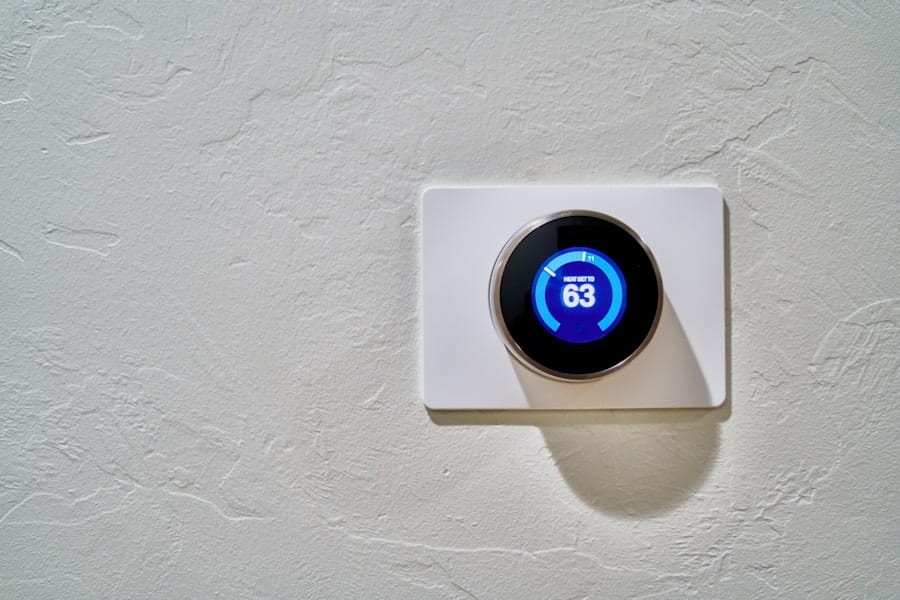
As you embark on your journey to enhance your home security, researching compatibility with smart home devices becomes a vital task. Start by identifying the specific features you want from your smart devices—whether it’s smart locks, cameras, or motion sensors—and then investigate which products are known for their compatibility with your security system. Look for reviews and comparisons that highlight user experiences regarding integration challenges or successes.
Additionally, consider the ecosystem of smart home devices you wish to create. Some brands offer a wide range of products that work seamlessly together, while others may require additional hubs or bridges to facilitate communication between devices. By researching compatibility thoroughly, you can avoid the frustration of purchasing devices that won’t work together or require complex setups.
This proactive approach will save you time and money while ensuring that your smart home operates efficiently and effectively.
Consulting with Security System Provider
Consulting with your security system provider is an essential step in ensuring compatibility with smart home devices. Your provider can offer insights into which devices are officially supported and may even have recommendations based on their experience with other customers. This direct line of communication can clarify any uncertainties you may have regarding integration options and compatibility requirements.
Moreover, your provider may have access to firmware updates or additional features that could enhance compatibility with newer smart devices. By discussing your plans with them, you can gain valuable information about potential upgrades or modifications that could improve your system’s performance. This collaboration not only helps in making informed decisions but also fosters a sense of trust and reliability in your security setup.
Testing Compatibility with Smart Home Devices
After gathering all the necessary information about compatibility, it’s time to put your research to the test by trying out the smart home devices you’re interested in integrating with your security system. Start by purchasing one or two devices that are known to be compatible and see how they perform in conjunction with your existing setup. This hands-on approach allows you to assess not only whether the devices work together but also how well they meet your expectations in terms of functionality and ease of use.
During this testing phase, pay attention to any connectivity issues or performance hiccups that may arise. Documenting these experiences will help you identify patterns or recurring problems that could indicate deeper compatibility issues. If everything works smoothly, you can confidently expand your smart home ecosystem by adding more devices.
However, if you encounter challenges, it may be necessary to revisit your research or consult with experts to find solutions that will enable seamless integration.
Considering Upgrading or Replacing Security System

If you find that your current security system is incompatible with the smart home devices you wish to use, it may be time to consider upgrading or even replacing your system altogether. While this may seem like a daunting task, modern security systems often come equipped with advanced features and enhanced compatibility with a wide range of smart devices. Investing in a new system could ultimately provide better protection for your home while allowing for greater flexibility in integrating future technologies.
Before making a decision, weigh the costs and benefits of upgrading versus replacing your system entirely. Sometimes, a simple upgrade—such as adding a new hub or updating firmware—can significantly improve compatibility without the need for a complete overhaul. However, if your current system is outdated and lacks essential features, exploring new options might be the best path forward.
Take the time to research various systems on the market, focusing on those known for their robust integration capabilities with smart home technology.
Ensuring Seamless Integration
Once you’ve selected compatible devices or upgraded your security system, ensuring seamless integration becomes paramount. This involves not only connecting the devices but also configuring them to work together efficiently. Start by following the manufacturer’s instructions carefully during installation and setup processes.
Many modern systems come with user-friendly apps that guide you through each step, making it easier to connect everything without hassle. Additionally, consider creating automation routines that allow different devices to communicate effectively. For example, you might set up a scenario where when your smart lock is engaged, the security cameras automatically activate, providing an added layer of protection.
By taking advantage of these automation features, you can create a cohesive smart home environment where all devices work in harmony, enhancing both convenience and security.
Seeking Professional Assistance
If at any point during this process you feel overwhelmed or uncertain about how to proceed, seeking professional assistance can be a wise choice. Many companies specialize in smart home installations and can provide expert guidance on integrating various devices with your security system. These professionals have experience navigating compatibility issues and can help ensure that everything is set up correctly from the start.
Moreover, hiring an expert can save you time and reduce the risk of errors during installation. They can also offer ongoing support and maintenance services, ensuring that your smart home continues to function optimally over time. Whether you’re looking for advice on specific products or need help with installation, enlisting professional assistance can make the entire process smoother and more efficient.
In conclusion, integrating smart home devices with your security system requires careful consideration of compatibility requirements, thorough research, and sometimes professional help. By following these steps—understanding compatibility needs, checking integration options, consulting providers, testing devices, considering upgrades, ensuring seamless integration, and seeking expert assistance—you can create a secure and efficient smart home environment tailored to your needs. Embracing this technology not only enhances your home’s security but also elevates your overall living experience through convenience and innovation.
If you are considering adding security cameras to your smart home setup, you may want to check out this article on choosing the right system. It provides valuable information on the different types of cameras available and what features to look for when selecting one that is compatible with your smart home devices. This article can help you make an informed decision on how to enhance your home security system.
FAQs
What is a smart home security system?
A smart home security system is a network of interconnected devices and sensors that work together to protect your home. These systems can include features such as cameras, motion detectors, door and window sensors, and alarms.
What are smart home devices?
Smart home devices are electronic gadgets that can be controlled remotely or automatically. These devices can include smart thermostats, smart locks, smart lights, and smart speakers.
How do I know if my security system is compatible with my smart home devices?
To determine compatibility, you should check the specifications and requirements of both your security system and your smart home devices. Look for information about supported protocols (such as Z-Wave or Zigbee), as well as any specific integration capabilities or requirements.
What are common protocols used for smart home device compatibility?
Common protocols for smart home device compatibility include Z-Wave, Zigbee, Wi-Fi, and Bluetooth. These protocols allow devices to communicate and work together within a smart home ecosystem.
Can I use a smart home hub to connect incompatible devices?
Yes, a smart home hub can often bridge the gap between incompatible devices by acting as a central control point. Some hubs support multiple protocols, allowing them to communicate with a wider range of devices.
What should I do if my security system is not compatible with my smart home devices?
If your security system is not compatible with your smart home devices, you may need to consider upgrading to a system that offers the integration and compatibility you desire. Alternatively, you can explore the use of a smart home hub to connect and control your devices.