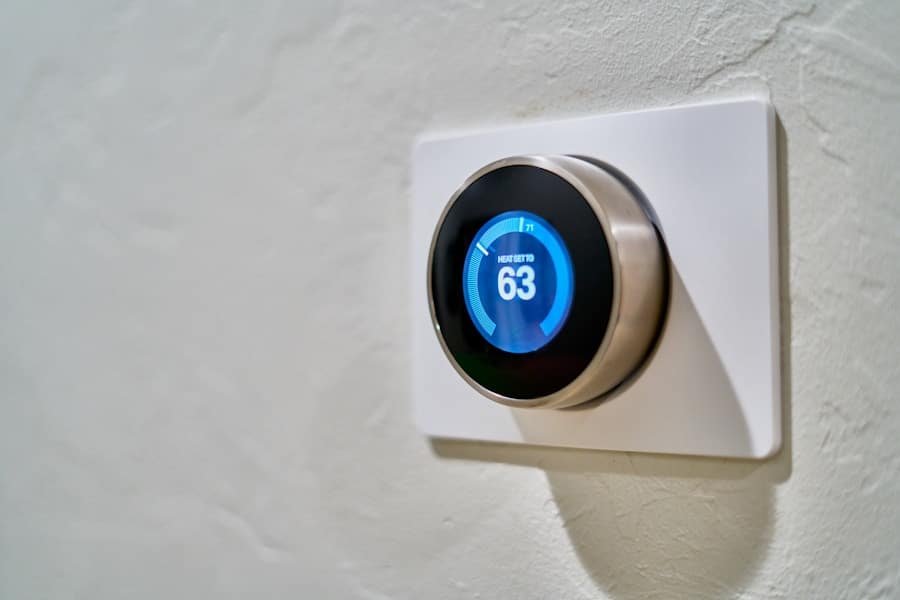
When you think about enhancing your home with smart technology, compatibility is a crucial factor that you cannot overlook. Compatibility refers to the ability of different devices to work together seamlessly, allowing them to communicate and share data effectively. In the context of your security system and smart thermostat, this means that both devices should be able to interact without any hitches, ensuring that your home remains secure while also maintaining optimal temperature control.
Understanding this concept is essential for creating a cohesive smart home environment that enhances your comfort and security. Imagine a scenario where your security system detects an intruder and sends an alert to your smart thermostat. If these two systems are compatible, the thermostat could automatically adjust the temperature to a more comfortable setting for you or even trigger other smart devices in your home.
However, if they are not compatible, you may miss out on these benefits, leaving your home less secure and less efficient. Therefore, grasping the nuances of compatibility is vital for maximizing the potential of your smart home setup.
Key Takeaways
- Understanding Compatibility: Compatibility between your security system and smart thermostat is crucial for seamless integration and optimal performance.
- Checking Manufacturer Specifications: Always check the manufacturer specifications of both your security system and smart thermostat to ensure they can communicate with each other.
- Exploring Connectivity Options: Consider Wi-Fi, Z-Wave, and other protocols for integration, and choose the one that best suits your needs and devices.
- Consulting with a Professional: Seek expert advice to ensure compatibility and avoid potential issues with integrating your security system and smart thermostat.
- Upgrading Your Security System: Determine if your current system can support smart thermostat integration, and consider upgrading if necessary for compatibility.
- Troubleshooting Compatibility Issues: Be prepared for common problems and solutions that may arise when integrating your security system and smart thermostat.
- Integrating a Humidistat: Ensure compatibility between your smart thermostat, security system, and humidistat for a comprehensive home automation solution.
- Future-Proofing Your Home: Consider compatibility for future smart home devices to ensure seamless integration as you expand your home automation system.
Checking Manufacturer Specifications: Ensuring Your Security System and Smart Thermostat Can Communicate
Understanding Device Specifications
By reviewing these specifications, you can determine whether the two systems can communicate effectively or if you need to consider alternative options. This step is crucial in avoiding frustration down the line when you realize that your devices cannot connect as intended. You should look for specific details such as supported communication protocols, compatibility with smart home platforms, and any required software updates.
Common Integration Issues
For instance, if your security system operates on a proprietary protocol while your thermostat uses a different one, they may not be able to communicate at all. This highlights the importance of reviewing specifications to ensure seamless integration.
Manufacturer Resources Exploring Connectivity Options: Wi-Fi, Z-Wave, and Other Protocols for Integration
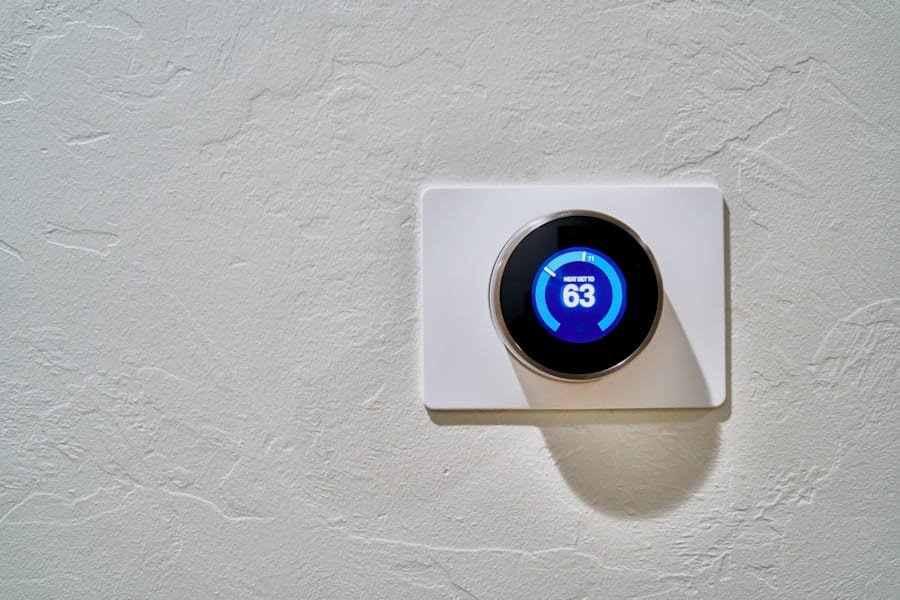
Once you have confirmed that your security system and smart thermostat can potentially work together, the next step is to explore the various connectivity options available for integration. Different devices utilize different communication protocols, such as Wi-Fi, Z-Wave, Zigbee, or Bluetooth. Each of these protocols has its own advantages and disadvantages, which can affect how well your devices interact with one another.
Wi-Fi is one of the most common connectivity options due to its widespread availability and ease of use. However, it can be prone to interference and may require a strong internet connection for optimal performance. On the other hand, Z-Wave and Zigbee are designed specifically for smart home devices and offer more reliable connections with lower power consumption.
If both your security system and smart thermostat support Z-Wave or Zigbee, you may find that they can communicate more effectively than if they were both relying on Wi-Fi. Understanding these connectivity options will empower you to make informed choices about how to set up your smart home ecosystem.
Consulting with a Professional: Getting Expert Advice on Compatibility
While you may feel confident in your ability to assess compatibility on your own, consulting with a professional can provide invaluable insights that you might not have considered. Experts in home automation and smart technology can help you navigate the complexities of integrating your security system and smart thermostat. They possess a wealth of knowledge about various brands, models, and compatibility issues that can arise during the integration process.
A professional can also assist you in identifying any potential roadblocks before they become significant problems. For example, they may recommend specific devices known for their compatibility or suggest alternative solutions if your current systems are not compatible. By seeking expert advice, you can save time and effort while ensuring that your smart home setup is both functional and efficient.
Upgrading Your Security System: Determining if Your Current System Can Support Smart Thermostat Integration
If you discover that your current security system is not compatible with your desired smart thermostat, it may be time to consider an upgrade. Modern security systems often come equipped with advanced features that allow for seamless integration with various smart home devices. When evaluating whether to upgrade, consider factors such as the age of your current system, its capabilities, and how well it aligns with your long-term smart home goals.
Upgrading your security system can open up a world of possibilities for enhancing your home’s automation capabilities. Newer systems often support multiple communication protocols and are designed with compatibility in mind. This means that not only will you be able to integrate your smart thermostat more easily, but you may also find that other devices in your home can connect as well.
By investing in an upgraded security system, you can future-proof your home and create a more cohesive smart environment.
Troubleshooting Compatibility Issues: Common Problems and Solutions
Even with careful planning and research, compatibility issues can still arise when integrating your security system and smart thermostat. Common problems include connectivity failures, inconsistent performance, or even complete inability to communicate between devices. When faced with these challenges, it’s essential to approach troubleshooting methodically to identify the root cause of the issue.
Start by checking all connections and ensuring that both devices are powered on and functioning correctly. Sometimes a simple reset or software update can resolve connectivity issues. If problems persist, consult the user manuals for both devices or reach out to customer support for assistance.
Additionally, online forums and communities dedicated to smart home technology can be excellent resources for finding solutions to common compatibility problems. By being proactive in troubleshooting, you can often resolve issues quickly and get back to enjoying the benefits of your integrated systems.
Integrating a Humidistat: Ensuring Compatibility with Your Smart Thermostat and Security System
In addition to integrating a smart thermostat with your security system, you may also want to consider adding a humidistat into the mix. A humidistat helps regulate humidity levels in your home, which can enhance comfort and protect against mold growth. However, just like with any other device, ensuring compatibility between the humidistat, thermostat, and security system is essential for optimal performance.
When selecting a humidistat, look for models that are designed to work seamlessly with your existing smart thermostat and security system. Many modern humidistats offer connectivity options similar to those found in thermostats, such as Wi-Fi or Z-Wave compatibility. By choosing a humidistat that aligns with the communication protocols of your other devices, you can create a more integrated environment where all systems work together harmoniously.
Future-Proofing Your Home: Considering Compatibility for Future Smart Home Devices
As technology continues to evolve at a rapid pace, future-proofing your home becomes increasingly important. When integrating new devices into your existing setup, always consider their compatibility with potential future additions. This foresight will save you from having to replace entire systems down the line due to incompatibility issues.
To future-proof your home effectively, invest in devices that support multiple communication protocols or are compatible with popular smart home platforms like Google Home or Amazon Alexa. This flexibility will allow you to expand your smart home ecosystem without worrying about whether new devices will work with your existing systems. By taking these steps now, you can create a robust and adaptable smart home environment that meets your needs for years to come.
In conclusion, understanding compatibility between your security system and smart thermostat is essential for creating an efficient and secure smart home environment. By checking manufacturer specifications, exploring connectivity options, consulting professionals when needed, upgrading outdated systems, troubleshooting issues as they arise, integrating additional devices like humidistats, and future-proofing your setup, you can ensure that all components work together seamlessly. Embracing these strategies will not only enhance your comfort but also provide peace of mind knowing that your home is equipped with the latest technology designed for optimal performance.
If you are wondering if your security system is compatible with your smart thermostat and humidistat, you may want to consider reading the article on home security system service in Salem, Oregon. This article may provide valuable information on how to ensure that your security system works seamlessly with your smart home devices. Additionally, you may also find the article on home security system service in Miami, Florida and home security system service in San Antonio, Texas helpful in understanding the compatibility of your security system with other smart home devices.
FAQs
What is a smart thermostat and humidistat?
A smart thermostat is a device that allows you to control the temperature of your home remotely using a smartphone or other internet-connected device. A humidistat is a device that measures and controls the humidity levels in your home.
What is a security system?
A security system is a network of devices designed to protect your home from intruders and other emergencies. This can include sensors, cameras, alarms, and monitoring services.
How can I tell if my security system is compatible with a smart thermostat and humidistat?
To determine compatibility, you should check the specifications and compatibility lists provided by the manufacturers of your security system, smart thermostat, and humidistat. You can also contact the customer support teams of these companies for assistance.
What are some common compatibility issues between security systems and smart thermostats/humidistats?
Common compatibility issues can include communication protocols, wiring requirements, and integration capabilities. Some security systems may not support the necessary communication protocols or may not have the capability to integrate with smart thermostats and humidistats.
Can I use a separate smart home hub to connect my security system, smart thermostat, and humidistat?
Yes, using a smart home hub that supports multiple devices and communication protocols can often bridge the gap between incompatible systems. Be sure to check the compatibility of the smart home hub with your specific devices.
What are the benefits of integrating a security system with a smart thermostat and humidistat?
Integrating these systems can allow for more comprehensive home automation and control. For example, you can set your security system to adjust the temperature and humidity levels when you arm or disarm it, or receive alerts if there are unexpected changes in these settings.