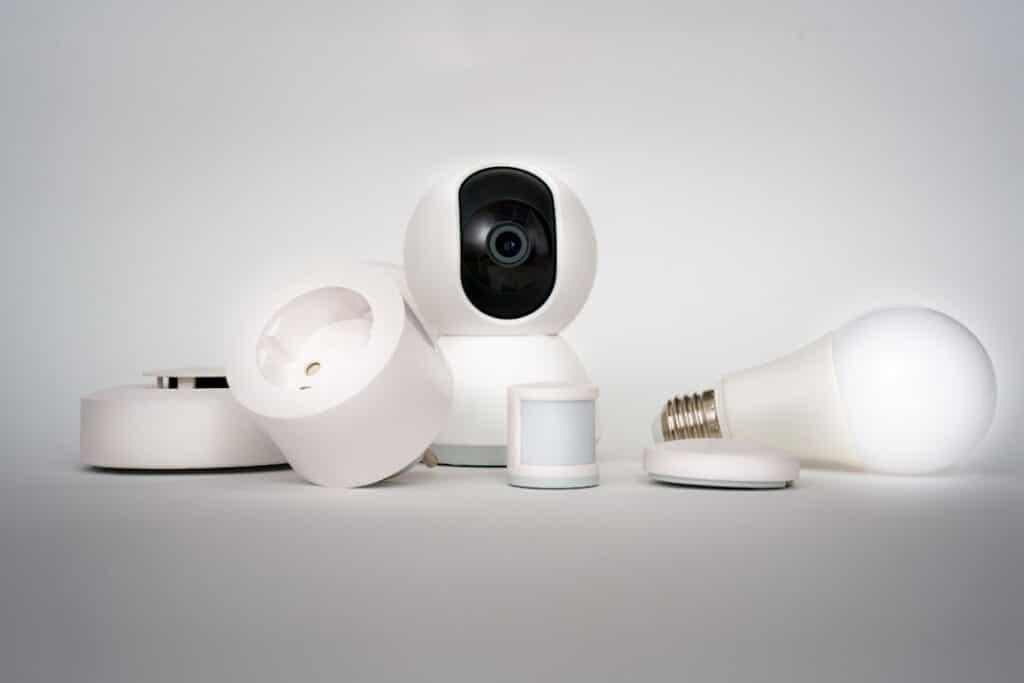
In an age where safety and security are paramount, the importance of home security devices cannot be overstated. You may find yourself increasingly concerned about the safety of your home and loved ones, especially with rising crime rates in various areas. Home security devices have evolved significantly over the years, offering a range of solutions designed to protect your property and provide peace of mind.
From traditional locks to advanced smart technology, these devices serve as a first line of defense against potential threats. As you consider enhancing your home’s security, it’s essential to understand the various options available and how they can work together to create a comprehensive security system. The integration of technology into home security has made it easier than ever for you to monitor your property remotely, receive real-time alerts, and even control your security devices from your smartphone.
This article will delve into the different types of home security devices, their effectiveness, response times, reliability in alerting authorities, and much more, equipping you with the knowledge needed to make informed decisions about your home’s safety.
Key Takeaways
- Home security devices are essential for protecting your home and loved ones from break-ins and intruders.
- Types of home security devices include alarms, cameras, motion sensors, smart locks, and security systems.
- Home security devices are effective in deterring break-ins and providing peace of mind to homeowners.
- The response time of home security devices in case of break-ins can vary depending on the type of device and monitoring service.
- Home security devices are reliable in alerting authorities and emergency services in case of a break-in or security breach.
Types of Home Security Devices
When it comes to home security devices, the options are vast and varied. You might start with the most basic forms of security, such as door locks and window locks. These traditional methods are still effective in deterring intruders when installed correctly.
However, as you explore further, you’ll discover a plethora of modern devices designed to enhance your home’s security. Alarm systems, for instance, are a popular choice among homeowners. These systems can be wired or wireless and often come equipped with motion detectors and glass break sensors that trigger an alarm when unauthorized entry is detected.
In addition to alarm systems, surveillance cameras have become increasingly common in residential settings. You may opt for indoor or outdoor cameras that allow you to monitor your property in real-time. Many of these cameras come with features such as night vision, two-way audio, and cloud storage for recorded footage.
Smart doorbells are another innovative option that allows you to see and communicate with visitors at your door through your smartphone, even when you’re not at home. As you consider these devices, think about how they can complement each other to create a robust security network tailored to your specific needs.
Effectiveness of Home Security Devices in Preventing Break-ins
The effectiveness of home security devices in preventing break-ins is a crucial factor to consider as you evaluate your options. Studies have shown that homes equipped with visible security measures are less likely to be targeted by burglars. When potential intruders see cameras or alarm signs, they often think twice before attempting a break-in.
This deterrent effect is one of the primary reasons many homeowners invest in security devices. You may find that simply having a well-placed camera or an alarm system can significantly reduce the likelihood of a break-in occurring. Moreover, the integration of smart technology into home security systems has further enhanced their effectiveness.
With features like remote monitoring and instant alerts sent directly to your smartphone, you can stay informed about any suspicious activity around your home. This level of awareness allows you to take immediate action if necessary, whether that means contacting authorities or simply checking in on your property through live video feeds. As you weigh the benefits of these devices, consider how they can not only deter crime but also empower you to respond proactively to potential threats.
Response Time of Home Security Devices in Case of Break-ins
When it comes to home security, response time is critical. In the unfortunate event of a break-in, how quickly your security system can alert you and authorities can make all the difference. Many modern alarm systems are designed to notify you instantly if a breach is detected.
You may receive a text message or push notification on your smartphone within seconds of an alarm being triggered. This rapid response capability allows you to assess the situation and take appropriate action without delay. Additionally, some advanced systems are connected directly to local law enforcement agencies or monitoring services that can dispatch help immediately upon receiving an alert.
This level of integration ensures that even if you’re not at home or unable to respond personally, help is on the way as soon as possible. As you evaluate different security options, consider how quickly each system can react in case of an emergency and whether it aligns with your expectations for safety and peace of mind.
Reliability of Home Security Devices in Alerting Authorities
The reliability of home security devices in alerting authorities is another vital aspect to consider when choosing a system for your home. You want to ensure that your investment will function correctly when it matters most. Many modern alarm systems come with built-in redundancy features that help ensure alerts are sent even if one method fails.
For instance, if your internet connection goes down, some systems can still communicate via cellular networks or landlines. Moreover, reputable monitoring services often provide 24/7 surveillance and support, ensuring that someone is always available to respond to alerts from your system. This constant vigilance means that even if you’re away on vacation or unable to respond due to other commitments, trained professionals are monitoring your property and can alert authorities if necessary.
As you explore different options, look for systems with strong track records for reliability and customer satisfaction to ensure that you’re making a sound investment in your home’s safety.
Success Stories of Home Security Devices in Preventing Break-ins
Real-life success stories can provide valuable insight into the effectiveness of home security devices in preventing break-ins. Many homeowners have reported instances where their security systems deterred potential intruders simply by being visible. For example, a family might share how their outdoor cameras captured footage of a would-be burglar who quickly fled upon noticing the cameras were recording.
Such stories highlight the psychological impact that visible security measures can have on potential criminals. In addition to deterrence, there are numerous accounts of security systems successfully alerting homeowners and authorities during actual break-in attempts. You may come across stories where homeowners received instant notifications on their smartphones while away from home and were able to contact law enforcement before any significant damage occurred.
These success stories not only reinforce the value of investing in home security devices but also serve as reminders that proactive measures can lead to positive outcomes in safeguarding your property.
Limitations of Home Security Devices in Case of Break-ins
While home security devices offer numerous benefits, it’s essential to acknowledge their limitations as well. No system is foolproof, and determined intruders may find ways to bypass certain security measures. For instance, while cameras can capture footage of an intruder, they may not prevent the break-in itself if the intruder is skilled at avoiding detection or disabling the system before entering.
Additionally, some homeowners may find that their alarm systems are triggered by false alarms due to pets or environmental factors, which can lead to complacency over time. Another limitation is the reliance on technology itself; power outages or internet disruptions can affect the functionality of certain devices. While many systems have backup batteries or alternative communication methods, there’s always a risk that a failure could occur at a critical moment.
As you consider these limitations, it’s crucial to adopt a holistic approach to home security that combines technology with traditional methods such as neighborhood watch programs and community engagement.
Tips for Maximizing the Efficiency of Home Security Devices
To get the most out of your home security devices, there are several tips you can follow that will enhance their efficiency and effectiveness. First and foremost, ensure that all devices are installed correctly and maintained regularly. This includes checking batteries in wireless systems, updating software for smart devices, and testing alarms periodically to confirm they function as intended.
Regular maintenance will help prevent unexpected failures when you need them most. Additionally, consider integrating your security devices into a cohesive system that works together seamlessly. For example, linking your cameras with motion sensors can provide comprehensive coverage and immediate alerts when movement is detected in sensitive areas around your property.
You might also want to take advantage of smart home technology by automating certain functions—such as having lights turn on when motion is detected—to create the illusion that someone is home even when you’re away. In conclusion, investing in home security devices is a proactive step toward safeguarding your property and loved ones. By understanding the various types available, their effectiveness in preventing break-ins, response times during emergencies, and how reliable they are in alerting authorities, you can make informed decisions about which systems best suit your needs.
While limitations exist within these technologies, adopting best practices for installation and maintenance will maximize their efficiency and enhance your overall sense of security at home.
If you are interested in exploring the collaborative aspect of home security, you may want to check out the article on neighborhood watch and collaborative home security. This article delves into how working together with your neighbors can enhance the effectiveness of your home security measures. It provides valuable insights on how a strong community network can help prevent break-ins and keep your neighborhood safe.
FAQs
What are home security devices?
Home security devices are electronic systems designed to protect homes from intruders and other security threats. These devices can include alarms, cameras, motion sensors, and smart locks.
How efficient are home security devices in preventing break-ins?
Home security devices are effective in preventing break-ins when installed and used properly. Studies have shown that homes with visible security systems are less likely to be targeted by burglars.
Do home security devices provide real-time monitoring and alerts?
Many home security devices offer real-time monitoring and alerts, allowing homeowners to receive notifications on their smartphones or other devices when a security breach is detected.
Can home security devices be easily bypassed by intruders?
While no security system is completely foolproof, modern home security devices are designed to be difficult for intruders to bypass. This can include features such as tamper-resistant sensors and encrypted communication.
Are home security devices worth the investment?
Investing in home security devices can provide peace of mind and may lower the risk of break-ins. Additionally, some insurance companies offer discounts for homes with security systems, potentially offsetting the cost of the devices.