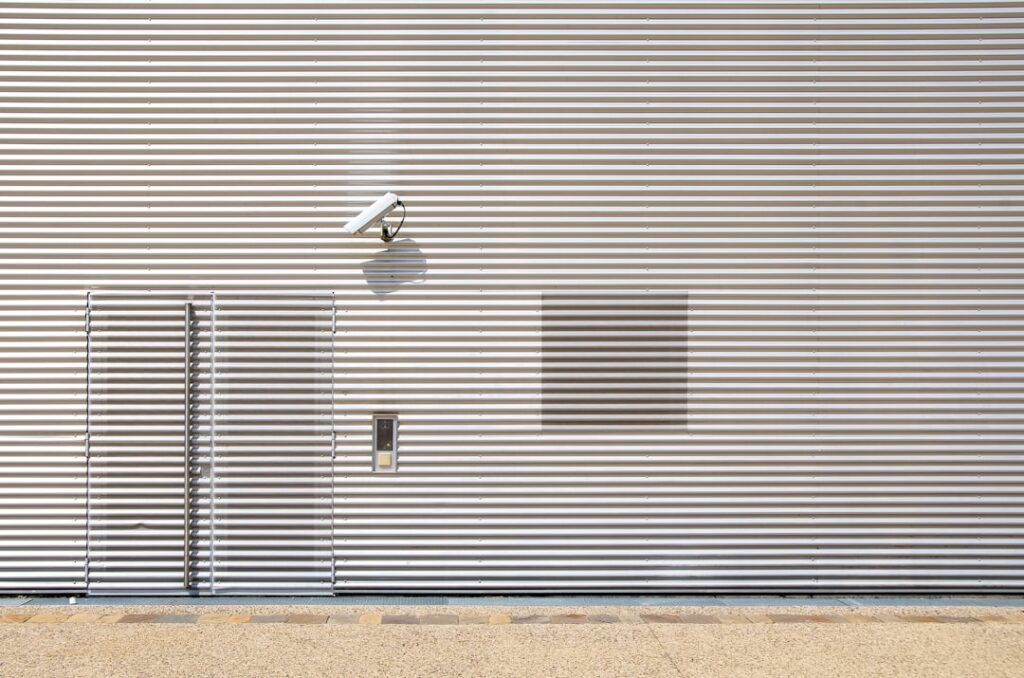
In today’s fast-paced world, the safety of your home and loved ones is more important than ever. Home smart security systems have emerged as a vital tool in safeguarding your property, providing peace of mind through advanced technology. These systems integrate various components, such as cameras, motion detectors, and alarms, all designed to work together seamlessly.
You can monitor your home in real-time from anywhere, using your smartphone or tablet, which adds an extra layer of convenience and security. As you consider investing in a home smart security system, it’s essential to understand the features that make these systems effective. Many modern systems offer high-definition video surveillance, night vision capabilities, and even artificial intelligence that can distinguish between familiar faces and potential intruders.
With the ability to receive instant alerts and notifications, you can take immediate action if something seems amiss. This level of connectivity and control empowers you to protect your home proactively rather than reactively.
Key Takeaways
- Home smart security systems provide advanced features for monitoring and protecting homes.
- Cloud storage is important for home security footage as it allows for remote access and backup of footage.
- Factors affecting the duration of storage include resolution, frame rate, and the number of cameras.
- Industry standards recommend storing footage for at least 30 days for security and legal purposes.
- Options for extending storage duration include purchasing additional cloud storage or using external hard drives.
- Privacy and security concerns with cloud storage include data breaches and unauthorized access to footage.
- Tips for managing and accessing home security footage include organizing footage by date and time and setting up alerts for unusual activity.
- Home smart security system users should regularly review and update their system to ensure optimal security and functionality.
Importance of Cloud Storage for Home Security Footage
One of the most significant advancements in home security technology is the integration of cloud storage for video footage. Unlike traditional systems that rely on local storage devices, cloud storage allows you to save and access your security footage remotely. This means that even if an intruder were to tamper with your cameras or local storage devices, your footage remains safe and secure in the cloud.
You can easily retrieve important recordings from any device with internet access, ensuring that you have the evidence you need when it matters most. Moreover, cloud storage offers scalability and flexibility that local storage cannot match. As your security needs evolve, you can easily upgrade your storage plan to accommodate more footage without the hassle of purchasing additional hardware.
This adaptability is particularly beneficial for homeowners who may want to expand their security systems over time. By utilizing cloud storage, you not only enhance the reliability of your home security system but also simplify the management of your surveillance data.
Factors Affecting the Duration of Storage
When it comes to cloud storage for home security footage, several factors influence how long your recordings are retained. One primary factor is the resolution of the video being recorded. Higher resolution footage takes up more space, which can lead to shorter retention periods unless you opt for a larger storage plan.
If you prioritize clarity and detail in your recordings, you may find that your available storage fills up more quickly than expected. Another critical factor is the frequency of motion detection events. If your cameras are set to record continuously or are triggered by frequent movements, this can significantly impact how long footage is stored.
For instance, a busy household with pets or children may generate more recordings than a quieter environment. Understanding these dynamics can help you make informed decisions about your storage needs and how to optimize your system for maximum efficiency.
Industry Standards for Cloud Storage Duration
The industry standards for cloud storage duration can vary widely depending on the service provider and the specific plan you choose. Generally, many providers offer storage durations ranging from a few days to several months. For example, some basic plans may only retain footage for seven days, while premium plans can extend this duration to 30 days or more.
It’s essential to review the terms of service carefully to understand what you’re getting with each plan. Additionally, some providers offer customizable options that allow you to select how long you want your footage stored based on your unique needs. This flexibility can be particularly advantageous for users who may require longer retention periods for specific events or situations.
By being aware of these industry standards, you can make a more informed choice about which cloud storage solution aligns best with your security requirements.
Options for Extending Storage Duration
If you find that the standard storage duration offered by your cloud service provider isn’t sufficient for your needs, there are several options available to extend it. One common approach is to upgrade to a higher-tier subscription plan that offers longer retention periods. Many providers have multiple tiers, each with varying features and storage capabilities, allowing you to choose a plan that fits both your budget and your security needs.
Another option is to implement a selective recording strategy. Instead of recording continuously, you can configure your cameras to capture footage only during specific times or when motion is detected. This method not only conserves storage space but also ensures that the most critical events are recorded without overwhelming your system with unnecessary data.
By combining these strategies, you can effectively manage your cloud storage duration while maintaining comprehensive surveillance coverage.
Privacy and Security Concerns with Cloud Storage
While cloud storage offers numerous benefits for home security footage, it also raises important privacy and security concerns that you should be aware of. One major issue is the potential for unauthorized access to your stored data. If a hacker gains access to your cloud account, they could view or delete sensitive footage, compromising your home’s security.
To mitigate this risk, it’s crucial to use strong passwords and enable two-factor authentication whenever possible. Additionally, consider the privacy implications of storing video footage in the cloud. Depending on where the data is stored and the policies of the service provider, there may be concerns about how long your data is retained and who has access to it.
It’s essential to choose a reputable provider with clear privacy policies that prioritize user data protection. By being proactive about these concerns, you can enjoy the benefits of cloud storage while minimizing potential risks.
Tips for Managing and Accessing Home Security Footage
Managing and accessing your home security footage effectively can enhance your overall experience with your smart security system. One useful tip is to regularly review and organize your footage based on specific events or timeframes. Many systems allow you to tag or categorize recordings, making it easier to locate important clips when needed.
By keeping your footage organized, you can save time and reduce frustration when searching for specific incidents. Another helpful strategy is to familiarize yourself with the features of your cloud storage provider’s interface. Understanding how to navigate the platform will enable you to access your footage quickly and efficiently.
Additionally, consider setting up alerts or notifications for specific events, such as motion detection or camera tampering. This proactive approach ensures that you are always informed about what’s happening around your home without having to constantly monitor live feeds.
Conclusion and Recommendations for Home Smart Security System Users
In conclusion, investing in a home smart security system equipped with cloud storage capabilities is a wise decision for anyone looking to enhance their home’s safety and security. The ability to access and manage your surveillance footage remotely provides unparalleled convenience and peace of mind. However, it’s essential to be aware of factors affecting storage duration, industry standards, and privacy concerns associated with cloud storage.
To maximize the effectiveness of your home security system, consider upgrading your storage plan if necessary and implementing selective recording strategies to extend retention periods. Additionally, prioritize strong security measures to protect your data from unauthorized access. By following these recommendations and staying informed about best practices in home security management, you can ensure that your smart security system serves its purpose effectively while keeping your home safe and secure for years to come.
If you are interested in enhancing the safety of your home, you may also want to consider childproofing your space. Our article on childproofing for home safety provides valuable tips and strategies for creating a secure environment for your little ones. Additionally, if you are located in Philadelphia, Pennsylvania, you may want to explore the services offered by home security system providers in the area. Check out our article on home security system service in Philadelphia, Pennsylvania for more information.
FAQs
What is Home Smart Security Systems Footage?
Home smart security systems footage refers to the video recordings captured by smart security cameras installed in and around a home. These cameras are designed to monitor and record activities for security purposes.
How Long is Home Smart Security Systems Footage Stored in Cloud Storage?
The length of time that home smart security systems footage is stored in cloud storage can vary depending on the specific smart security system and the subscription plan chosen by the user. Some systems offer free limited cloud storage for a certain period of time, while others may offer longer storage periods with a paid subscription.
What Factors Affect the Storage Duration of Home Smart Security Systems Footage?
The storage duration of home smart security systems footage in cloud storage can be affected by factors such as the resolution and quality of the video recordings, the number of cameras in use, the specific smart security system’s storage policies, and the user’s subscription plan.
Can Users Access and Manage Their Home Smart Security Systems Footage in Cloud Storage?
Yes, users can typically access and manage their home smart security systems footage in cloud storage through a dedicated mobile app or web portal provided by the smart security system manufacturer. This allows users to view, download, and delete footage as needed.