Home security is a fundamental aspect of safeguarding your personal space and ensuring the safety of your loved ones. In an age where crime rates fluctuate and home invasions are a reality, the significance of a robust security system cannot be overstated. You invest in your home, making it a sanctuary where you create memories, and it is only natural to want to protect that investment.
A secure home not only provides peace of mind but also enhances your overall quality of life. Knowing that your home is safe allows you to focus on what truly matters—your family, your work, and your leisure activities. Moreover, the importance of home security extends beyond just physical protection.
It encompasses emotional well-being as well. When you feel secure in your environment, you are more likely to engage in community activities and foster relationships with your neighbors. A secure home can also deter potential criminals from targeting your area, creating a ripple effect that benefits everyone in your neighborhood.
Thus, investing in home security is not merely about protecting your property; it is about contributing to a safer community and enhancing the collective sense of security.
Key Takeaways
- Home security is important for protecting your family and belongings from potential threats.
- Common misconceptions about home security can lead to vulnerabilities and risks.
- Assessing your home’s vulnerabilities is crucial for identifying potential entry points for intruders.
- Technology plays a significant role in enhancing home security, from smart locks to security cameras.
- Improving home security can be achieved through simple measures such as installing deadbolts and trimming shrubbery.
Common Misconceptions About Home Security
When it comes to home security, several misconceptions can cloud judgment and lead to inadequate protection. One prevalent myth is that home security systems are only necessary for affluent households or those living in high-crime areas. This belief can be misleading; crime can happen anywhere, regardless of socioeconomic status or neighborhood reputation.
You might think that your home is safe simply because you live in a quiet suburb, but statistics show that even the most peaceful communities can experience break-ins. Therefore, it is crucial to recognize that every home can benefit from a security system. Another common misconception is that security systems are overly complicated and difficult to manage.
Many people assume that they will need extensive training to operate a modern security system effectively. However, advancements in technology have made these systems more user-friendly than ever before. You can easily monitor your home through smartphone apps, receive alerts in real-time, and even control various aspects of your security system remotely.
By dispelling these myths, you can better understand the importance of investing in a comprehensive home security solution.
Assessing Your Home’s Vulnerabilities
To effectively enhance your home security, you must first assess its vulnerabilities. This process involves a thorough examination of both the exterior and interior of your property. Start by evaluating entry points such as doors and windows.
Are they equipped with sturdy locks? Do they have any signs of wear or damage? You should also consider the lighting around your home; poorly lit areas can provide cover for potential intruders.
By identifying these weaknesses, you can take proactive steps to fortify your home against potential threats. Additionally, it’s essential to consider the layout of your property and its surroundings. Are there any blind spots that could conceal an intruder?
Is your home easily visible from the street, or does dense foliage provide cover? You might also want to think about how close your neighbors are; a close-knit community can serve as an additional layer of security. By conducting a comprehensive vulnerability assessment, you can create a targeted plan to address any weaknesses and enhance the overall safety of your home.
The Role of Technology in Home Security
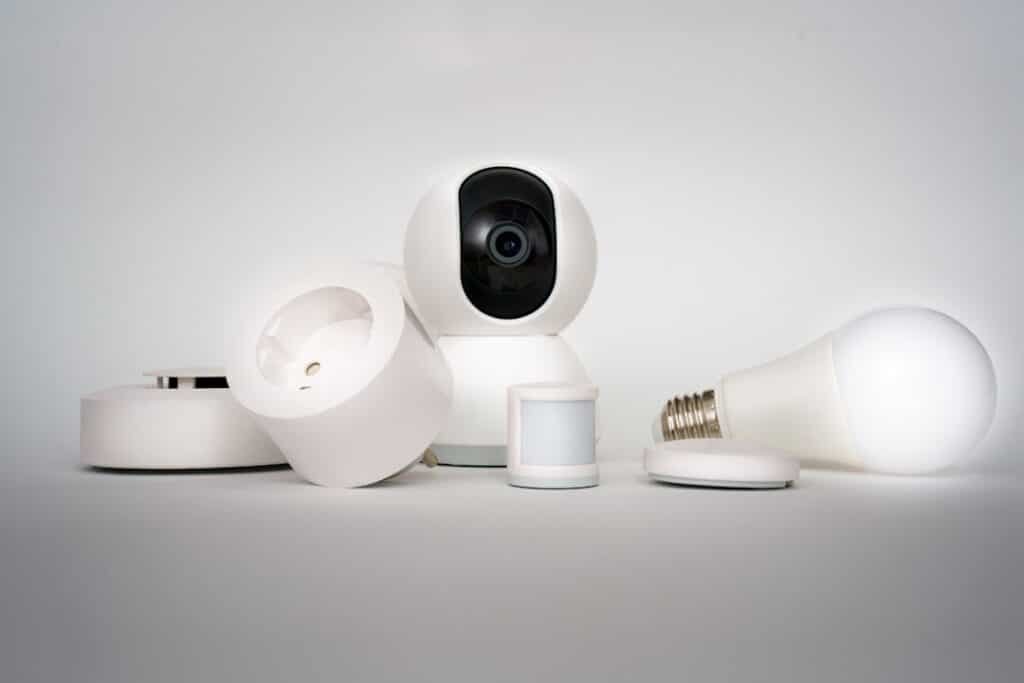
Technology has revolutionized the landscape of home security, offering innovative solutions that were once unimaginable. Smart home devices have become increasingly popular, allowing you to integrate various security features into a cohesive system. For instance, smart locks enable you to control access to your home remotely, while surveillance cameras provide real-time monitoring through your smartphone or tablet.
This level of connectivity empowers you to keep an eye on your property from virtually anywhere, giving you peace of mind when you’re away. Moreover, advancements in artificial intelligence have enhanced the capabilities of modern security systems. Many systems now utilize facial recognition technology and motion detection algorithms to differentiate between familiar faces and potential intruders.
This means you can receive alerts only when necessary, reducing false alarms and ensuring that you remain informed about genuine threats. By embracing these technological advancements, you can create a more effective and responsive home security system tailored to your specific needs.
Tips for Improving Home Security
Improving your home security doesn’t always require a complete overhaul; sometimes, small changes can make a significant difference. One effective tip is to reinforce entry points by installing deadbolts on doors and using window locks. These simple additions can deter opportunistic burglars who often look for easy targets.
Additionally, consider investing in outdoor lighting with motion sensors; well-lit areas are less appealing to intruders and can help you feel safer when arriving home at night. Another practical tip is to establish a neighborhood watch program with your neighbors. By fostering a sense of community vigilance, you create an environment where everyone looks out for one another.
Regularly communicating with your neighbors about suspicious activities can help deter crime in your area. Furthermore, consider using social media platforms or neighborhood apps to share information about local safety concerns or tips for enhancing security measures.
The Benefits of Professional Home Security Systems
While DIY solutions can be effective, professional home security systems offer numerous advantages that are hard to overlook. One significant benefit is the expertise that comes with professional installation and monitoring services. Trained technicians can assess your property’s unique needs and recommend tailored solutions that maximize protection.
This level of customization ensures that every vulnerable area is addressed effectively. Additionally, professional monitoring services provide an added layer of security that DIY systems often lack. With 24/7 monitoring, trained professionals are always on alert for any signs of trouble at your home.
In the event of an emergency, they can quickly notify local authorities, ensuring a rapid response time that could be crucial in preventing damage or loss. By investing in a professional home security system, you gain peace of mind knowing that experts are watching over your property around the clock.
Community and Neighborhood Factors in Home Security
Your home’s security is not solely dependent on the measures you take; it is also influenced by the broader community and neighborhood factors. A strong sense of community can significantly enhance safety levels in any area. When neighbors know each other and communicate regularly, they are more likely to notice unusual activities and report them promptly.
Building relationships with those around you fosters an environment where everyone feels responsible for each other’s safety. Moreover, consider participating in local initiatives aimed at improving neighborhood safety. Many communities organize events focused on crime prevention or host workshops on effective home security practices.
Engaging with these initiatives not only helps you stay informed but also strengthens community ties. A united front against crime can deter potential intruders and create a safer living environment for everyone involved.
Creating a Comprehensive Home Security Plan
To ensure the safety of your home and loved ones, creating a comprehensive home security plan is essential. Start by outlining all the measures you’ve already implemented and identifying areas for improvement based on your vulnerability assessment. This plan should include both physical security measures—such as locks and alarms—and technological solutions like surveillance cameras and smart devices.
Next, establish protocols for emergencies or suspicious activities. Make sure all family members know how to respond in case of a break-in or other threats. Regularly review and update your plan as needed; as technology evolves and circumstances change, so too should your approach to home security.
By taking these proactive steps, you can create a robust security framework that not only protects your property but also fosters peace of mind for you and your family. In conclusion, prioritizing home security is essential for safeguarding your sanctuary and ensuring the well-being of those you care about most. By understanding common misconceptions, assessing vulnerabilities, leveraging technology, and engaging with your community, you can create a comprehensive plan that enhances safety at every level.
Remember that effective home security is an ongoing process—stay vigilant, stay informed, and take action to protect what matters most to you.
If you are questioning the security of your home, you may want to consider reading the article Home Protection 101: Everything You Need to Know. This comprehensive guide covers all the essential aspects of home security, from basic measures to advanced techniques. It can provide valuable insights and tips to help you enhance the safety of your home. Additionally, you may also find the article Neighborhood Watch: Collaborative Home Security helpful in understanding how working together with your neighbors can further strengthen your home’s security.
FAQs
What are some common security vulnerabilities in homes?
Some common security vulnerabilities in homes include weak door and window locks, lack of security systems or alarms, unsecured garage doors, and poorly lit exterior areas.
How can I assess the security of my home?
You can assess the security of your home by conducting a thorough inspection of your doors, windows, locks, and security systems. You can also consider hiring a professional security consultant to conduct a comprehensive security assessment.
What are some effective ways to improve home security?
Some effective ways to improve home security include installing high-quality locks on doors and windows, using security cameras and alarms, securing garage doors, improving exterior lighting, and reinforcing entry points.
What are some common mistakes homeowners make that compromise home security?
Some common mistakes homeowners make that compromise home security include leaving doors and windows unlocked, hiding spare keys in obvious places, posting vacation plans on social media, and neglecting to maintain security systems.
What should I do if I suspect a security breach in my home?
If you suspect a security breach in your home, you should immediately contact local law enforcement and consider upgrading your security measures. It’s also important to document any evidence of the breach for insurance and legal purposes.