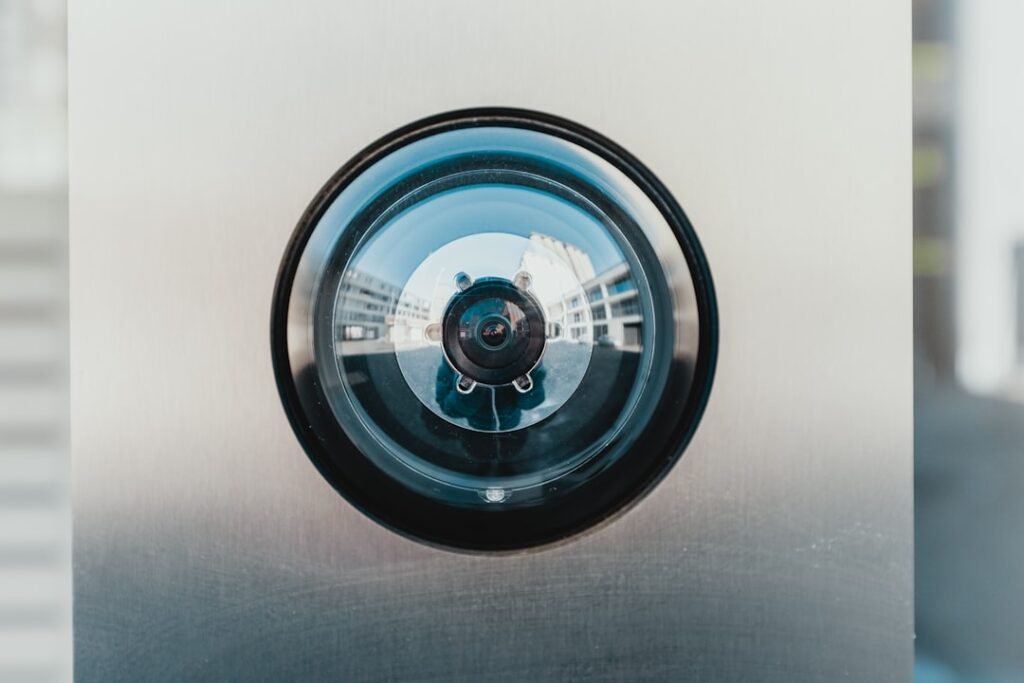
When it comes to securing your living space, the type of dwelling you inhabit plays a significant role in determining the most effective security system for your needs. Apartments and houses differ not only in their physical structures but also in the level of security required. In an apartment, you often share walls, hallways, and entrances with neighbors, which can influence the type of security measures you might consider.
Conversely, houses typically offer more privacy and space, allowing for a broader range of security options. In an apartment setting, security systems may need to be more discreet and tailored to fit within the confines of shared living spaces. For instance, you might find that wireless systems are more suitable due to the limitations on drilling or making permanent alterations to the property.
On the other hand, houses often allow for more extensive installations, such as hardwired systems that can cover larger areas and provide comprehensive protection. Understanding these fundamental differences is crucial as you navigate your options for securing your home.
Key Takeaways
- Apartment security systems should be designed to accommodate shared living spaces and limited installation options, while house security systems can be more comprehensive and customizable.
- When choosing a security system for an apartment, consider factors such as portability, wireless options, and compatibility with apartment regulations.
- Factors to consider when choosing a security system for a house include the size of the property, the presence of outdoor spaces, and the ability to install hardwired systems.
- Apartment-specific security systems offer features such as easy installation, mobility, and integration with smart home technology.
- House-specific security systems provide advantages such as extensive coverage, outdoor surveillance options, and the ability to customize and expand the system as needed.
- Common features of apartment security systems may include wireless cameras, motion sensors, and keyless entry systems.
- Common features of house security systems may include outdoor cameras, driveway sensors, and integrated home automation systems.
- When choosing the right security system for your living situation, consider factors such as the layout of your home, your lifestyle, and the level of security needed for your specific location.
Factors to Consider When Choosing a Security System for Apartments
When selecting a security system for your apartment, several factors come into play that can significantly impact your decision. First and foremost, consider the layout of your apartment. The size and configuration of your living space will dictate how many sensors or cameras you may need.
A smaller apartment may only require a few strategically placed devices, while a larger unit might necessitate a more extensive setup to ensure comprehensive coverage. Another critical factor is the building’s existing security measures. Many apartment complexes come equipped with basic security features such as gated entrances, intercom systems, or on-site security personnel.
Understanding what is already in place can help you determine what additional measures are necessary. Additionally, you should consider any restrictions imposed by your landlord or property management regarding modifications to the unit. This can affect your choice of equipment and installation methods, making it essential to choose a system that complies with these regulations.
Factors to Consider When Choosing a Security System for Houses
When it comes to houses, the considerations for selecting a security system can be quite different from those for apartments. One of the primary factors is the size of your property. A larger home may require a more complex system with multiple cameras and sensors to cover all entry points effectively.
You should assess the number of doors and windows that need protection and consider outdoor areas that may also require surveillance. Another important aspect is the level of customization you desire. Houses often allow for more extensive installations, which means you can tailor your security system to fit your specific needs.
This could include features like smart home integration, where your security system works in conjunction with other smart devices in your home. Additionally, consider the potential for future expansion; as your needs change over time, you may want a system that can grow with you.
Advantages of Apartment-Specific Security Systems
Apartment-specific security systems offer several advantages tailored to the unique challenges of shared living environments. One significant benefit is their compact design, which allows for easy installation without requiring extensive modifications to the property. Many apartment security systems are wireless, making them ideal for renters who may not have permission to drill holes or make permanent changes to their units.
Moreover, these systems often come equipped with features designed specifically for apartment dwellers. For instance, some models include doorbell cameras that allow you to see who is at your door without having to open it, providing an added layer of safety in a shared building. Additionally, many apartment security systems offer mobile app integration, enabling you to monitor your home remotely and receive real-time alerts about any suspicious activity.
This level of convenience and accessibility is particularly beneficial for those living in urban areas where crime rates may be higher.
Advantages of House-Specific Security Systems
House-specific security systems come with their own set of advantages that cater to the needs of homeowners. One of the most significant benefits is the ability to create a comprehensive security network that covers both indoor and outdoor areas. With more space available, you can install multiple cameras and sensors that provide extensive coverage of your property, ensuring that every entry point is monitored.
Additionally, house security systems often offer advanced features such as motion detection and smart home integration. This means you can connect your security system with other smart devices in your home, such as lights and thermostats, creating a cohesive network that enhances both security and convenience. For instance, you can program your lights to turn on automatically when motion is detected outside, deterring potential intruders while also providing peace of mind when you’re away from home.
Common Features of Apartment Security Systems
Apartment security systems typically include several common features designed to address the specific needs of renters. One prevalent feature is video surveillance, which allows you to monitor common areas and entry points through cameras strategically placed around your unit or building. These cameras often come with night vision capabilities and motion detection alerts, ensuring that you remain informed about any unusual activity.
Another common feature is access control systems, which may include keyless entry options or smart locks that allow you to manage who has access to your apartment. This is particularly useful in multi-unit buildings where unauthorized access can be a concern. Many apartment security systems also offer mobile app integration, enabling you to control your system remotely and receive notifications about any potential threats or breaches.
Common Features of House Security Systems
House security systems tend to offer a broader range of features compared to their apartment counterparts due to the increased space and customization options available. One common feature is perimeter security, which includes outdoor cameras and motion sensors that monitor the exterior of your property. This allows homeowners to keep an eye on their surroundings and receive alerts if any suspicious activity occurs outside.
Another prevalent feature is home automation integration, which enables homeowners to connect their security systems with other smart devices throughout their homes. This could include smart lighting that activates when motion is detected or smart thermostats that adjust based on occupancy patterns. Such integration not only enhances security but also contributes to energy efficiency and overall convenience in managing your home.
Tips for Choosing the Right Security System for Your Living Situation
Choosing the right security system for your living situation requires careful consideration of various factors unique to your environment. Start by assessing your specific needs based on the layout and size of your apartment or house. Take note of all entry points and potential vulnerabilities that may require additional protection.
Next, consider your budget and how much you’re willing to invest in a security system. While it’s essential to prioritize safety, there are options available at various price points that can still provide adequate protection without breaking the bank. Research different providers and read reviews to find a system that offers reliable service and customer support.
Finally, don’t hesitate to consult with professionals who specialize in home security. They can provide valuable insights tailored to your specific living situation and help you design a system that meets your needs effectively. By taking these steps, you’ll be well on your way to selecting a security system that ensures peace of mind in your home or apartment.
If you are considering installing a security system in your apartment or house, you may want to check out the article on