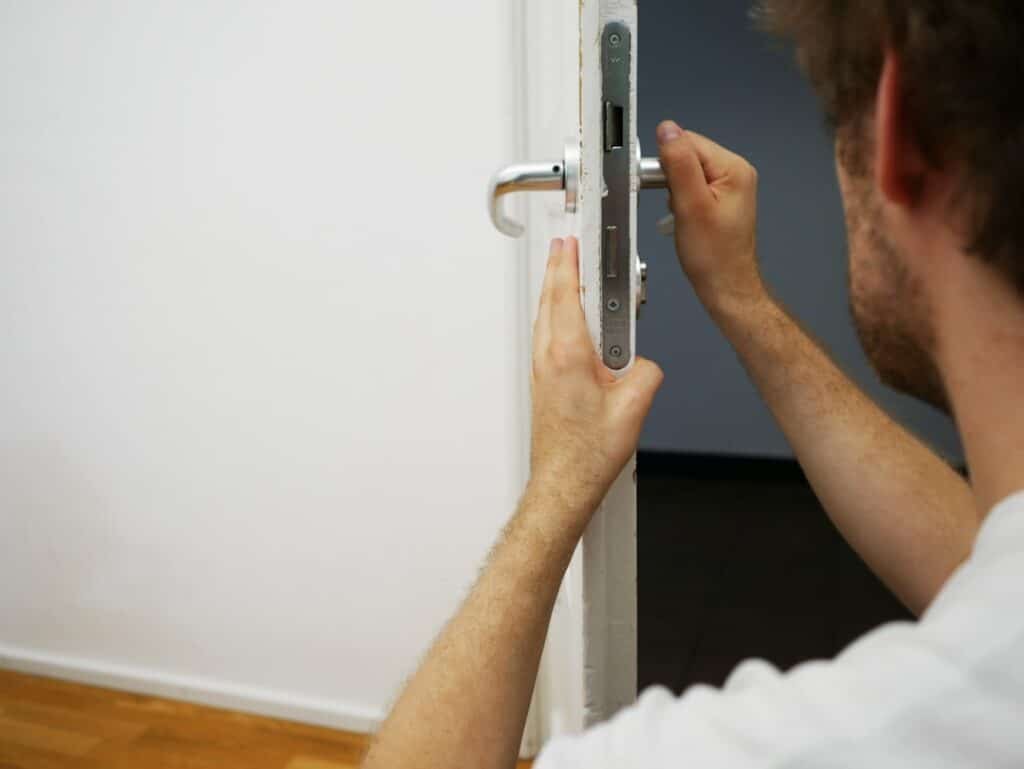
Lock and key systems are fundamental components of home security, providing a first line of defense against unauthorized access. At their core, these systems operate on a simple principle: a unique key is designed to fit a specific lock, allowing access only to those who possess the correct key. This basic mechanism has evolved over centuries, with modern locks incorporating advanced technology to enhance security.
Understanding how these systems work can empower you to make informed decisions about your home security. When you insert a key into a lock, the unique grooves and cuts on the key align with corresponding pins inside the lock cylinder. This alignment allows the lock to turn and disengage, granting access.
There are various types of locks, including deadbolts, knob locks, and smart locks, each offering different levels of security and convenience. Familiarizing yourself with these options can help you choose the right system for your needs, ensuring that your home remains safe and secure.
Key Takeaways
- Understanding the Basics of Lock and Key Systems
- Common Residential Lock Issues and How to Address Them
- Tips for Maintaining and Extending the Lifespan of Your Locks
- Choosing the Right Lock for Your Home Security Needs
- Key Duplication and Security Risks to Be Aware Of
Common Residential Lock Issues and How to Address Them
As a homeowner, you may encounter several common lock issues that can compromise your security or hinder your daily routine. One frequent problem is a sticky or jammed lock, which can occur due to dirt accumulation or lack of lubrication. If you find yourself struggling to turn your key or insert it into the lock, it’s essential to address the issue promptly.
You can start by applying a graphite lubricant or silicone spray to the keyhole, which can help reduce friction and restore smooth operation. Another common issue is a misaligned door or lock strike plate. If your door doesn’t close properly or the lock doesn’t engage smoothly, it may be due to shifting in the door frame or wear over time.
To resolve this, you can check the alignment of the door and adjust the hinges or strike plate as needed. In some cases, you may need to enlist the help of a professional locksmith to ensure that the adjustments are made correctly and that your lock functions as intended.
Tips for Maintaining and Extending the Lifespan of Your Locks
Maintaining your locks is crucial for ensuring their longevity and effectiveness. Regular maintenance can prevent minor issues from escalating into significant problems that compromise your home’s security. One of the simplest ways to care for your locks is to keep them clean.
Dust and debris can accumulate in the keyhole and internal mechanisms, leading to jams or malfunctions. Use a soft cloth to wipe down the exterior of the lock and periodically use compressed air to blow out any dust from the keyhole. In addition to cleaning, lubrication is vital for keeping your locks functioning smoothly.
Applying a lubricant every six months can help prevent rust and ensure that the internal components move freely. It’s important to choose the right type of lubricant; avoid using oil-based products that can attract dirt and grime. Instead, opt for graphite powder or silicone-based lubricants designed specifically for locks.
By incorporating these simple maintenance practices into your routine, you can extend the lifespan of your locks and enhance your home’s security.
Choosing the Right Lock for Your Home Security Needs
Selecting the appropriate lock for your home is a critical decision that directly impacts your security. With various options available, it’s essential to consider factors such as the level of security you require, your budget, and the specific vulnerabilities of your property. For instance, if you live in an area with higher crime rates, investing in high-security locks with advanced features may be wise.
These locks often include reinforced materials, anti-drill plates, and pick-resistant designs that provide an added layer of protection. Additionally, consider the type of door you have when choosing a lock. For exterior doors, deadbolts are highly recommended due to their robust construction and resistance to forced entry.
If you prefer convenience, smart locks offer keyless entry options that allow you to control access remotely through your smartphone. These locks often come with features such as temporary access codes for guests or delivery personnel, enhancing both security and convenience. By carefully evaluating your needs and options, you can select a lock that provides peace of mind while complementing your lifestyle.
Key Duplication and Security Risks to Be Aware Of
Key duplication is a common practice that allows homeowners to have spare keys made for family members or trusted friends. However, it’s essential to be aware of the potential security risks associated with this process. Not all key duplication services are created equal; some may not adhere to strict security protocols, leading to unauthorized copies being made without your knowledge.
To mitigate this risk, consider using a locksmith who specializes in high-security keys or requires identification before duplicating keys. Another aspect to consider is where you store spare keys. Hiding a spare key under a doormat or flower pot may seem convenient, but it also makes it easy for intruders to find.
Instead, consider giving a trusted neighbor or friend a spare key or investing in a secure lockbox that can be accessed only by those you trust. By being mindful of how and where you duplicate and store keys, you can significantly reduce the risk of unauthorized access to your home.
Emergency Lockout Situations: What to Do and How to Avoid Them
Experiencing a lockout situation can be frustrating and stressful, especially if you’re in a hurry or have young children waiting at home. To avoid such situations, it’s wise to have a plan in place. One effective strategy is to designate a trusted friend or neighbor who can hold a spare key for emergencies.
This way, if you find yourself locked out, you have someone nearby who can help you regain access without having to call a locksmith. If you do find yourself locked out despite your best efforts, remain calm and assess your options. Check if any windows or alternative entrances are unlocked; sometimes, a simple oversight can lead to an easy solution.
If all else fails, contacting a professional locksmith is often the best course of action. They have the tools and expertise needed to safely unlock your door without causing damage. Remember that prevention is key; by planning ahead and being proactive about spare keys, you can minimize the chances of facing a lockout situation.
Upgrading Your Home Security: Expert Advice on Smart Locks and Keyless Entry Systems
As technology continues to advance, smart locks and keyless entry systems have become increasingly popular among homeowners seeking enhanced security and convenience. These modern locking mechanisms offer features such as remote access control, real-time monitoring, and customizable entry codes that allow you to manage who enters your home easily. When considering an upgrade to smart locks, it’s essential to evaluate your specific needs and preferences.
One significant advantage of smart locks is their ability to integrate with other smart home devices. For instance, many smart locks can be connected to home security systems or smart assistants like Amazon Alexa or Google Assistant, allowing for seamless control over your home’s security features. Additionally, some models offer temporary access codes for guests or service personnel, eliminating the need for physical keys altogether.
However, it’s crucial to choose reputable brands with strong encryption protocols to ensure that your smart lock remains secure against potential cyber threats.
Finding a Reliable Residential Locksmith: What to Look for and Questions to Ask
When it comes time to hire a locksmith for installation or emergency services, finding a reliable professional is paramount. Start by seeking recommendations from friends or family members who have had positive experiences with local locksmiths. Online reviews can also provide valuable insights into a locksmith’s reputation and reliability.
Once you have a shortlist of potential candidates, it’s essential to ask specific questions before making your decision. Inquire about their licensing and insurance status; reputable locksmiths should be licensed in your state and carry liability insurance to protect both themselves and their clients during service calls. Additionally, ask about their experience with various types of locks and security systems; this will give you confidence in their ability to handle your specific needs effectively.
Finally, request an estimate before any work begins; transparent pricing practices are indicative of a trustworthy locksmith who values customer satisfaction. By taking these steps, you can ensure that you find a reliable residential locksmith who will provide quality service when you need it most.
If you’re interested in enhancing your home security beyond just locks and keys, you may want to check out this article on home security system services in San Antonio, Texas. These services can provide an added layer of protection for your home and give you peace of mind knowing that your property is secure.
FAQs
What are some common reasons people need to call a residential locksmith?
Some common reasons people need to call a residential locksmith include being locked out of their home, needing to change or rekey locks, and wanting to upgrade to more secure locks.
What are some tips for improving home security with locks?
Some tips for improving home security with locks include using high-quality deadbolts, installing a peephole or video doorbell, and considering smart lock technology for added convenience and security.
What should I do if I get locked out of my house?
If you get locked out of your house, you should first try to see if there is another way to enter, such as through a back door or window. If that is not possible, you should call a residential locksmith to help you gain entry.
How often should I change the locks on my home?
It is recommended to change the locks on your home if you have lost your keys, moved into a new home, or experienced a break-in. Additionally, it is a good idea to change or rekey your locks every few years for added security.
What are some signs that it’s time to replace my home’s locks?
Some signs that it’s time to replace your home’s locks include rust or wear and tear on the locks, difficulty turning the key, or if the locks are outdated and not providing adequate security.