In today’s world, the safety of your home and loved ones is paramount. You may often find yourself contemplating the various threats that could compromise your peace of mind. Home security systems serve as a crucial line of defense against intrusions, theft, and other potential dangers.
By investing in a reliable security system, you not only protect your physical belongings but also create a safe environment for your family. The psychological comfort that comes from knowing you have taken steps to secure your home cannot be overstated; it allows you to focus on what truly matters in life. Moreover, the importance of home security systems extends beyond mere protection from break-ins.
They can also provide a sense of control over your living space. With advancements in technology, many modern systems offer features that allow you to monitor your home remotely, receive alerts about unusual activity, and even control various aspects of your home environment. This level of engagement can empower you to take proactive measures in safeguarding your property, making you feel more in command of your surroundings.
Key Takeaways
- Home security systems are important for protecting your family and property from potential threats.
- There are various types of home security systems available, including alarm systems, surveillance cameras, and smart home security systems.
- When choosing a home security system, consider factors such as your budget, the size of your home, and the level of monitoring you require.
- Proper installation and regular maintenance are essential for ensuring the effectiveness of your home security system.
- Having a home security system can provide benefits such as peace of mind, deterrence of intruders, and potential discounts on home insurance.
Types of Home Security Systems Available
When it comes to home security systems, you have a plethora of options to choose from, each designed to cater to different needs and preferences. Traditional alarm systems are among the most common types, featuring sensors on doors and windows that trigger an alarm when breached. These systems can be effective deterrents against intruders, as the loud noise often prompts them to flee before they can cause any harm.
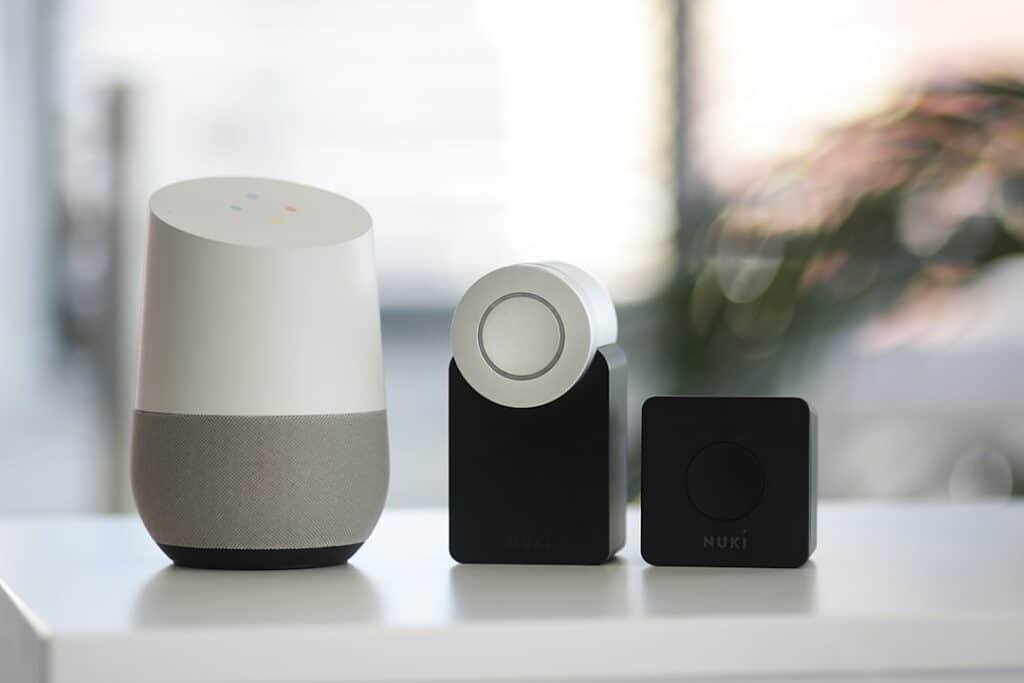
However, they may lack the advanced features that newer systems offer. On the other hand, smart home security systems have gained immense popularity in recent years. These systems integrate with your smartphone or other devices, allowing you to monitor your home in real-time.
You can receive notifications about suspicious activity, view live camera feeds, and even control locks and lights remotely. Additionally, there are DIY security systems that allow you to customize your setup according to your specific needs without the need for professional installation. This flexibility can be particularly appealing if you prefer a hands-on approach to securing your home.
Factors to Consider When Choosing a Home Security System

Selecting the right home security system requires careful consideration of several factors. First and foremost, assess your specific security needs. Consider the size of your home, the number of entry points, and any particular vulnerabilities that may exist.
For instance, if you live in a neighborhood with a high crime rate, you might want a more comprehensive system with multiple cameras and sensors. Conversely, if you reside in a low-risk area, a simpler setup may suffice. Another critical factor is your budget.
Home security systems can vary significantly in price, from basic models to high-end options with advanced features. It’s essential to determine how much you are willing to invest in your security system while keeping in mind that this is an investment in your safety. Additionally, consider the long-term costs associated with monitoring services and maintenance.
Some systems require monthly fees for professional monitoring, while others may offer self-monitoring options that can save you money in the long run.
Installation and Maintenance of Home Security Systems
Once you’ve chosen a home security system that fits your needs and budget, the next step is installation. Depending on the type of system you select, installation can be straightforward or more complex. DIY systems often come with user-friendly instructions that allow you to set everything up yourself without needing professional help.
This can be an appealing option if you enjoy hands-on projects and want to save on installation costs. However, if you opt for a more sophisticated system or one that requires extensive wiring, hiring a professional installer may be the best route. Professionals can ensure that all components are correctly placed and functioning optimally.
After installation, regular maintenance is crucial to keep your system running smoothly. This includes checking batteries in wireless devices, updating software for smart systems, and testing alarms periodically to ensure they are operational when needed.
Benefits of Having a Home Security System
The advantages of having a home security system extend far beyond just deterring crime. One significant benefit is the potential reduction in insurance premiums. Many insurance companies offer discounts for homeowners who have security systems installed, as these systems lower the risk of loss or damage due to theft or vandalism.
This financial incentive can make investing in a security system even more appealing. Additionally, home security systems can enhance your overall quality of life by providing peace of mind. Knowing that your home is protected allows you to relax and enjoy time with family and friends without constantly worrying about potential threats.
Furthermore, many modern systems come equipped with features such as smoke detectors and carbon monoxide alarms, adding an extra layer of safety against environmental hazards. This comprehensive approach to security ensures that you are not only protecting against intrusions but also safeguarding against other dangers that could affect your household.
Common Features of Home Security Systems

Home security systems come equipped with various features designed to enhance their effectiveness and usability. One common feature is motion detection technology, which alerts you when movement is detected within a specified area. This can be particularly useful for monitoring entry points or outdoor spaces around your home.
Many systems also include door and window sensors that trigger alarms when opened unexpectedly. Another popular feature is video surveillance. Cameras can be placed strategically around your property to provide real-time monitoring and recorded footage for later review.
Some advanced systems even offer night vision capabilities and two-way audio communication, allowing you to interact with visitors or potential intruders remotely. Additionally, many modern security systems integrate seamlessly with smart home devices, enabling you to control lights, locks, and thermostats from a single app on your smartphone.
Integrating Smart Technology with Home Security Systems
The integration of smart technology into home security systems has revolutionized how homeowners approach safety and convenience. Smart security systems allow you to connect various devices within your home ecosystem, creating a cohesive network that enhances both security and functionality. For instance, you can program your lights to turn on automatically when motion is detected outside or set up alerts that notify you when someone enters or exits your home.
Moreover, smart technology enables remote access to your security system from anywhere in the world. Whether you’re at work or on vacation, you can monitor live feeds from your cameras, receive alerts about unusual activity, and even control locks and alarms through an app on your smartphone. This level of connectivity not only provides peace of mind but also allows for greater flexibility in managing your home’s security.
Tips for Maximizing the Effectiveness of Home Security Systems
To ensure that your home security system operates at its best, there are several tips you can follow. First and foremost, regularly update passwords and access codes associated with your system. This simple step can significantly reduce the risk of unauthorized access and keep your system secure from potential hackers.
Additionally, consider conducting routine checks on all components of your security system. Test alarms, inspect cameras for obstructions or damage, and ensure that all sensors are functioning correctly. Regular maintenance will help identify any issues before they become significant problems.
Finally, engage with your local community by participating in neighborhood watch programs or sharing information about suspicious activities with neighbors; this collective vigilance can further enhance the effectiveness of your home security measures. In conclusion, investing in a home security system is an essential step toward ensuring the safety of your property and loved ones. By understanding the various types available, considering key factors when choosing one, and integrating smart technology into your setup, you can create a comprehensive security solution tailored to your needs.
With proper installation and maintenance, along with proactive measures to maximize effectiveness, you will enjoy the peace of mind that comes from knowing your home is well-protected.
If you’re considering enhancing the security of your home, you might find the article on home security systems in Atlanta, Georgia, particularly useful. It provides detailed insights into various security system options tailored for residents in that area, helping you make an informed decision about protecting your home. For more information, you can read the full article here.
FAQs
What are security systems for homes?
Security systems for homes are electronic devices and technologies designed to protect homes from intruders, burglars, and other potential threats. These systems typically include alarms, sensors, cameras, and monitoring services.
How do security systems for homes work?
Security systems for homes work by detecting and alerting homeowners to potential threats. This can include motion sensors that trigger alarms, cameras that capture footage of suspicious activity, and monitoring services that notify authorities in the event of a break-in.
What are the components of a security system for homes?
Components of a security system for homes can include door and window sensors, motion detectors, security cameras, control panels, and monitoring services. Some systems may also include smart home integration for added convenience and control.
What are the benefits of having a security system for homes?
The benefits of having a security system for homes include increased protection against break-ins and theft, peace of mind for homeowners and their families, potential discounts on home insurance, and the ability to remotely monitor and control the security of the home.
Are security systems for homes worth the investment?
Many homeowners find that security systems for homes are worth the investment, as they provide added protection and peace of mind. Additionally, some insurance companies offer discounts for homes with security systems, which can help offset the cost.