In today’s fast-paced world, the concept of home security has evolved significantly, thanks in large part to advancements in technology. Smart home security systems are at the forefront of this evolution, offering homeowners a level of convenience and control that traditional systems simply cannot match. These systems utilize internet connectivity to allow you to monitor and manage your home security from virtually anywhere.
Whether you’re at work, on vacation, or simply out for the evening, you can keep an eye on your property through your smartphone or tablet. At the core of smart home security is the integration of various devices that work together to create a comprehensive security solution. This can include cameras, motion detectors, door locks, and alarms, all of which can be controlled remotely.
The ability to receive real-time alerts and notifications about potential security breaches means you can respond quickly to any threats. Understanding how these systems function and the technology behind them is essential for making informed decisions about your home security.
Key Takeaways
- Smart home security systems provide advanced protection and monitoring for your home, using technology to keep you safe.
- The benefits of smart home security systems include remote monitoring, real-time alerts, and integration with other smart home devices.
- Components of a smart home security system typically include cameras, sensors, alarms, and a central control hub.
- When choosing a smart home security system, consider your specific needs, budget, and the level of integration with other smart home devices.
- Installation and setup of a smart home security system can be DIY or professionally installed, and typically involves connecting devices to a central hub and setting up monitoring and control features.
Benefits of Smart Home Security Systems
Smart home security systems provide an unparalleled sense of security and peace of mind. With real-time monitoring, you can stay informed about your home’s status, whether you’re present or away.
Enhanced Awareness and Deterrent
Knowing that you can receive instant alerts in case of unexpected events, such as a door opening or motion detection, enables you to take prompt action if needed. This level of awareness can deter potential intruders, as they are less likely to target a home with visible security measures.
Advanced Features Beyond Traditional Security
Smart home security systems often come with features that go beyond traditional security measures. For instance, many systems allow you to integrate smart lighting, which can be programmed to turn on and off at specific times, creating the illusion that someone is home even when you’re not.
Convenience and Evidence
Additionally, some systems offer video surveillance with cloud storage options, allowing you to review footage from any time and providing valuable evidence in case of an incident. The combination of these features not only enhances your security but also adds convenience to your daily life.
Components of a Smart Home Security System
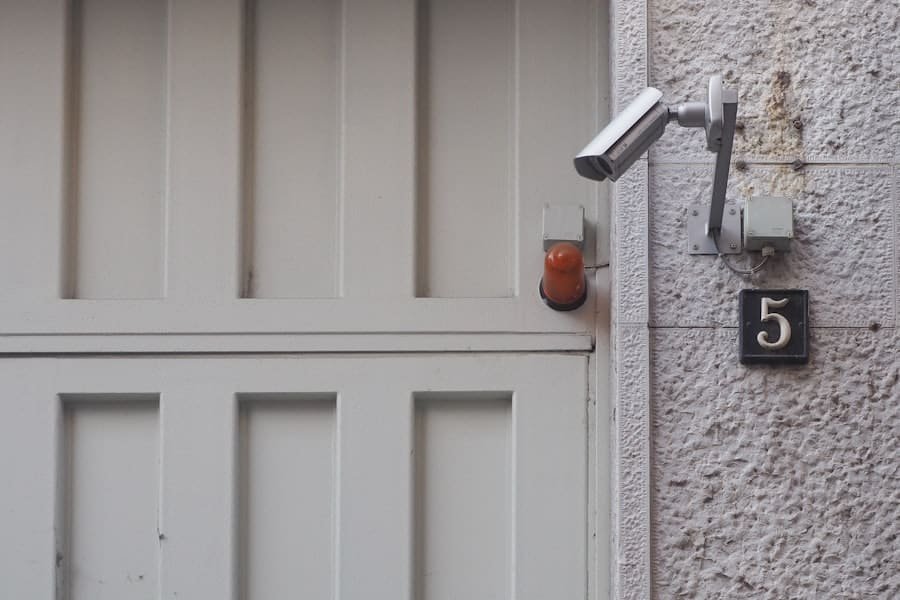
A smart home security system typically consists of several key components that work together to provide comprehensive protection for your property. The most recognizable element is the security camera, which allows you to monitor both the interior and exterior of your home. These cameras often come equipped with features such as night vision, motion detection, and two-way audio, enabling you to see and communicate with anyone on your property.
In addition to cameras, motion sensors play a crucial role in detecting unauthorized entry. These sensors can be placed near doors and windows or throughout your yard to alert you when movement is detected. Smart locks are another essential component, allowing you to control access to your home remotely.
You can lock or unlock your doors from anywhere, grant temporary access to guests or service providers, and receive notifications when someone enters or exits your home. Together, these components create a robust security network that can be tailored to meet your specific needs.
Choosing the Right Smart Home Security System for Your Needs
When it comes to selecting a smart home security system, it’s essential to consider your unique requirements and lifestyle. Start by assessing the size of your home and the areas that require monitoring. For larger properties, you may need multiple cameras and sensors to cover all entry points effectively.
Additionally, think about whether you want a professionally monitored system or one that allows for self-monitoring through your smartphone. Budget is another critical factor in your decision-making process. Smart home security systems come in a wide range of prices, so it’s important to find one that fits within your financial constraints while still offering the features you need.
Researching different brands and reading customer reviews can help you identify systems that have a good reputation for reliability and performance. Ultimately, choosing the right system involves balancing your security needs with your budgetary limitations.
Installation and Setup of a Smart Home Security System
Installing a smart home security system can be a straightforward process, especially if you opt for a DIY solution. Most systems come with detailed instructions that guide you through each step of the installation process. You’ll typically start by setting up the central hub or base station, which connects all your devices and allows them to communicate with each other.
Once the hub is in place, you can begin installing cameras and sensors in strategic locations around your home. If you’re not comfortable with DIY installation or if your system requires more complex setup, you may want to consider hiring a professional installer. Many companies offer installation services as part of their packages, ensuring that everything is set up correctly and functioning as intended.
Regardless of how you choose to install your system, taking the time to ensure that each component is positioned effectively will maximize its effectiveness in protecting your home.
Monitoring and Control of a Smart Home Security System
Once your smart home security system is installed, you’ll have access to a range of monitoring and control options that enhance your ability to protect your property. Most systems come with user-friendly mobile apps that allow you to view live camera feeds, receive alerts about potential threats, and control various components from anywhere with an internet connection. This level of accessibility means you can check on your home while at work or even while on vacation.
In addition to real-time monitoring, many smart home security systems offer features such as scheduled automation and geofencing. Scheduled automation allows you to set specific times for lights to turn on or off, while geofencing uses your smartphone’s location to trigger actions when you leave or arrive home. For example, your system could automatically lock the doors when you leave for work and unlock them when you return.
These features not only enhance security but also add convenience to your daily routine.
Integration with Other Smart Home Devices
One of the standout features of smart home security systems is their ability to integrate seamlessly with other smart devices in your home. This interconnectedness allows for a more comprehensive approach to home automation and security. For instance, you can link your security cameras with smart lighting systems so that lights automatically turn on when motion is detected outside.
This not only helps deter intruders but also provides better visibility for you when arriving home at night. Additionally, many smart home security systems are compatible with voice assistants like Amazon Alexa or Google Assistant. This means you can control various aspects of your security system using simple voice commands.
You might ask your assistant to show you the camera feed from your front porch or lock the doors as you settle in for the night. The ability to integrate these devices creates a cohesive smart home environment that enhances both convenience and safety.
Future Trends in Smart Home Security Systems
As technology continues to advance, the future of smart home security systems looks promising. One trend gaining traction is the use of artificial intelligence (AI) in monitoring systems. AI can analyze patterns in behavior and detect anomalies more effectively than traditional systems.
This means that instead of simply alerting you when motion is detected, an AI-powered system could differentiate between normal activity—like pets moving around—and potential threats. Another exciting development is the increasing focus on cybersecurity within smart home devices. As more homeowners adopt these technologies, manufacturers are prioritizing robust security measures to protect against hacking and unauthorized access.
This includes regular software updates and enhanced encryption methods to safeguard user data. As these trends continue to evolve, you can expect smarter, more secure solutions that provide even greater peace of mind for homeowners looking to protect their properties. In conclusion, understanding smart home security systems is essential for anyone looking to enhance their home’s safety and convenience.
With numerous benefits ranging from real-time monitoring to seamless integration with other devices, these systems offer a modern approach to securing your property. By carefully considering your needs and preferences when choosing a system, as well as staying informed about future trends in technology, you’ll be well-equipped to make an informed decision that keeps your home safe for years to come.
If you’re considering enhancing the security of your smart home system, it’s crucial to explore comprehensive resources that can guide you through the necessary precautions and technologies. A highly recommended read is an article titled “Protecting Your Home: A Comprehensive Guide to Home Security,” which offers an in-depth look at various strategies to safeguard your residence. This guide covers everything from basic security measures to advanced technological systems, making it an essential resource for anyone looking to improve their home security. You can read the full article by visiting Protecting Your Home: A Comprehensive Guide to Home Security.
FAQs
What is a smart home security system?
A smart home security system is a network of interconnected devices and sensors that work together to protect a home from intruders, monitor for environmental hazards, and provide remote access and control for homeowners.
What components are typically included in a smart home security system?
A smart home security system may include components such as security cameras, motion sensors, door and window sensors, smart locks, video doorbells, and a central control hub that connects and manages the various devices.
How does a smart home security system work?
Smart home security systems use a combination of sensors, cameras, and connectivity to monitor and protect the home. When a sensor is triggered, such as a door sensor detecting movement, the system can send alerts to the homeowner’s smartphone and/or trigger an alarm.
What are the benefits of a smart home security system?
Some benefits of a smart home security system include remote monitoring and control, integration with other smart home devices, the ability to receive alerts and notifications, and potential savings on home insurance premiums.
Are smart home security systems secure from hacking?
While no system is completely immune to hacking, reputable smart home security systems use encryption and other security measures to protect against unauthorized access. It’s important for homeowners to regularly update their system’s software and use strong, unique passwords to minimize the risk of hacking.