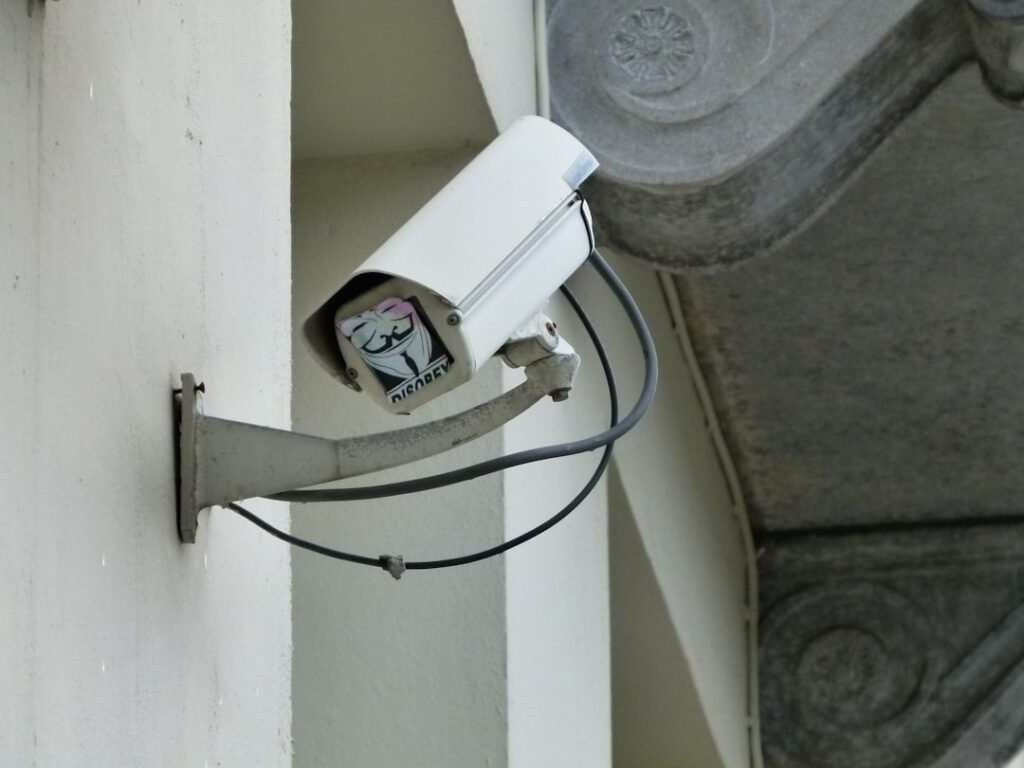
Surveillance camera signs play a crucial role in the realm of security and safety. When you see a sign indicating the presence of surveillance cameras, it serves as a clear warning that you are being monitored. This awareness can significantly deter potential criminal activity, as individuals are less likely to engage in unlawful behavior when they know they are being watched.
The psychological impact of these signs cannot be overstated; they create an environment of accountability and vigilance. By simply placing these signs in visible locations, you can foster a sense of security among residents, employees, and visitors alike. Moreover, surveillance camera signs contribute to transparency in surveillance practices.
In an age where privacy concerns are paramount, these signs inform individuals that their activities are being recorded. This transparency is essential for building trust within a community or organization. When people are aware of surveillance measures, they are more likely to feel secure rather than paranoid.
Thus, the importance of surveillance camera signs extends beyond mere deterrence; they also promote a culture of openness and respect for personal privacy.
Key Takeaways
- Surveillance camera signs are important for deterring crime and increasing the sense of security in public and private spaces.
- Legal requirements for surveillance camera signs vary by jurisdiction, but generally, signs must be clearly visible and provide notice that surveillance is taking place.
- Different types of surveillance camera signs include warning signs, bilingual signs, and signs with specific information about the purpose of the surveillance.
- Surveillance camera signs should be placed in prominent locations where they can be easily seen by anyone entering the area under surveillance.
- Designing effective surveillance camera signs involves using clear and concise language, bold lettering, and symbols to convey the message of surveillance to the public.
Legal Requirements for Surveillance Camera Signs
Understanding the legal requirements surrounding surveillance camera signs is essential for anyone considering their installation. Depending on your location, there may be specific laws governing the use of surveillance cameras and the necessity of signage. In many jurisdictions, it is mandatory to inform individuals that they are being recorded, especially in public spaces or workplaces.
Failing to comply with these regulations can lead to legal repercussions, including fines or lawsuits. Therefore, it is crucial to familiarize yourself with local laws to ensure that your surveillance practices are compliant. In addition to legal obligations, there are ethical considerations to keep in mind.
You should strive to balance security needs with respect for individual privacy rights. This means not only placing signs where required but also ensuring that they are clear and easily understood. The language used on these signs should be straightforward, avoiding any technical jargon that might confuse passersby.
By adhering to legal requirements and ethical standards, you can create a responsible surveillance environment that respects the rights of individuals while enhancing security.
Different Types of Surveillance Camera Signs
When it comes to surveillance camera signs, there is a variety of options available to suit different needs and preferences. You might encounter basic signs that simply state “CCTV in Use” or “Video Surveillance,” which serve the primary purpose of alerting individuals to the presence of cameras. These straightforward signs are effective in conveying the message without unnecessary embellishments.
However, you may also find more elaborate designs that include graphics or additional information about the surveillance system in place. Another type of sign you might consider is one that specifies the purpose of the surveillance. For instance, some signs indicate that cameras are used for security purposes, while others may highlight monitoring for safety or theft prevention.
This added context can enhance the effectiveness of the sign by informing individuals about the specific reasons behind the surveillance. Additionally, you may want to explore customizable options that allow you to incorporate your branding or specific messaging, making the sign more relevant to your property or organization.
Where to Place Surveillance Camera Signs
The placement of surveillance camera signs is just as important as their design and content. You should strategically position these signs in areas where they will be most visible to individuals entering or passing through your property. High-traffic areas such as entrances, parking lots, and walkways are ideal locations for these signs.
By placing them in prominent spots, you can maximize their deterrent effect and ensure that people are aware of the surveillance measures in place. In addition to visibility, consider the context of your property when determining sign placement. For example, if your surveillance cameras cover specific zones, it may be beneficial to place signs at the boundaries of those areas.
This way, individuals will know exactly where they are being monitored. Furthermore, you should regularly assess the effectiveness of your sign placement and make adjustments as necessary. Over time, landscaping changes or new construction may obstruct visibility, so staying proactive about sign placement is key to maintaining an effective surveillance strategy.
Designing Effective Surveillance Camera Signs
Designing effective surveillance camera signs involves more than just slapping a warning label on a piece of plastic. You should consider several factors to ensure that your signs communicate their message clearly and effectively. First and foremost, choose a font size that is easily readable from a distance.
The last thing you want is for someone to approach your property without noticing the sign due to poor visibility. Color contrast is another critical element in sign design. Bright colors like yellow or red can draw attention and signal caution, while darker backgrounds can enhance readability.
Additionally, incorporating universally recognized symbols—such as a camera icon—can help convey your message quickly and effectively, even for those who may not speak the local language. Ultimately, your goal should be to create a sign that is not only informative but also visually appealing and easy to understand at a glance.
Benefits of Having Surveillance Camera Signs
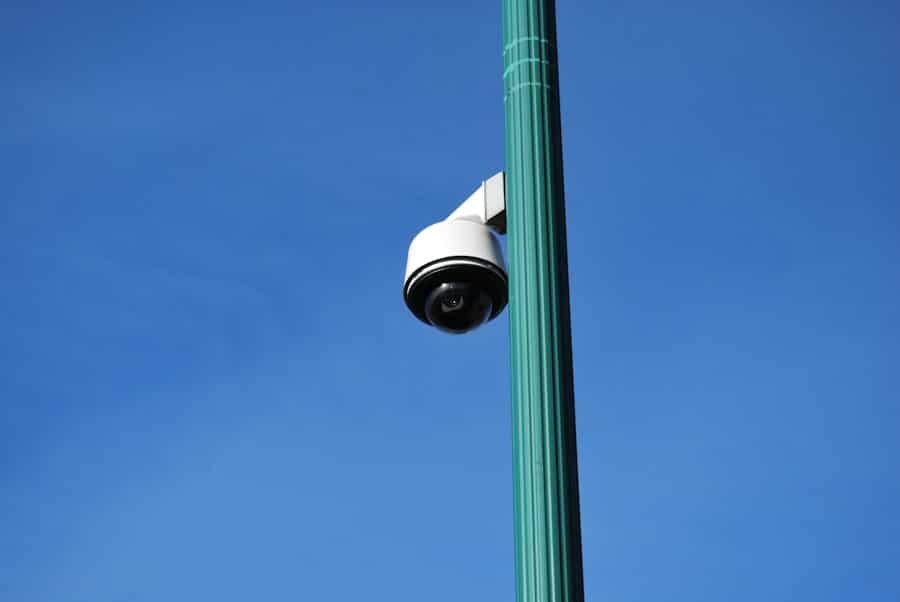
The benefits of having surveillance camera signs extend far beyond mere compliance with legal requirements. One significant advantage is the enhanced sense of security they provide for both property owners and visitors. Knowing that surveillance measures are in place can help individuals feel safer in their surroundings, whether it’s a residential neighborhood or a commercial establishment.
This heightened sense of security can lead to increased foot traffic and customer loyalty, as people are more likely to frequent places where they feel protected. Additionally, surveillance camera signs can serve as a valuable tool for crime prevention. The mere presence of these signs can deter potential criminals from targeting your property, as they are aware that their actions are being recorded.
This deterrent effect can lead to a reduction in vandalism, theft, and other criminal activities. Furthermore, in the unfortunate event that a crime does occur, having clear signage indicating surveillance can aid law enforcement investigations by providing crucial evidence captured on camera.
Choosing the Right Surveillance Camera Sign for Your Property
Selecting the right surveillance camera sign for your property involves considering various factors tailored to your specific needs and environment. First, assess the level of security required based on the nature of your property and its location. For instance, a high-traffic retail store may benefit from more prominent signage compared to a private residence where discretion might be preferred.
Understanding your unique security needs will guide you in choosing an appropriate sign type and design. You should also take into account local regulations regarding signage size and content. Some jurisdictions may have specific requirements regarding font size or wording that must be included on surveillance signs.
By adhering to these guidelines while still ensuring that your sign effectively communicates its message, you can strike a balance between compliance and effectiveness. Additionally, consider investing in durable materials that can withstand weather conditions if your signs will be placed outdoors.
The Role of Surveillance Camera Signs in Crime Prevention
Surveillance camera signs play an integral role in crime prevention strategies across various settings. When potential criminals see these signs, they often reconsider their actions due to the fear of being caught on camera. This psychological deterrent is particularly effective in areas known for higher crime rates or where criminal activity has previously occurred.
By making it clear that surveillance is present, you create an environment where unlawful behavior is less likely to thrive. Moreover, these signs contribute to community safety by fostering a collective sense of responsibility among residents and business owners alike. When people know they are being watched—whether by cameras or their neighbors—they tend to act more cautiously and responsibly.
This communal vigilance can lead to a decrease in crime rates over time as individuals become more aware of their surroundings and report suspicious activities promptly.
Understanding the Privacy Implications of Surveillance Camera Signs
While surveillance camera signs serve important security functions, it is essential to understand their privacy implications as well. The presence of these signs indicates that individuals may be recorded without their explicit consent, raising questions about personal privacy rights. As you navigate this complex landscape, it’s crucial to strike a balance between ensuring safety and respecting individual privacy concerns.
You should also consider how transparent you want to be about your surveillance practices beyond just signage. Providing additional information about how footage will be used or stored can help alleviate concerns among those who frequent your property. Engaging with community members about your surveillance policies fosters trust and demonstrates your commitment to responsible monitoring practices.
Maintaining and Updating Surveillance Camera Signs
Maintaining and updating your surveillance camera signs is vital for ensuring their continued effectiveness over time. Weather conditions can take a toll on outdoor signage; fading colors or damaged materials can render them less visible or even illegible. Regular inspections should be part of your maintenance routine to identify any wear and tear that may require replacement or repair.
Additionally, as technology evolves and regulations change, you may need to update your signage accordingly. New laws might necessitate different wording or additional information on your signs, so staying informed about legal requirements is essential for compliance. By proactively maintaining and updating your surveillance camera signs, you ensure that they remain effective tools for communication and deterrence.
The Future of Surveillance Camera Signs in Public Spaces
As technology continues to advance rapidly, the future of surveillance camera signs in public spaces looks promising yet complex. Innovations such as smart signage could integrate digital displays that provide real-time information about surveillance activities or even alert individuals about potential threats nearby. These advancements could enhance the effectiveness of traditional signage by making it more interactive and informative.
However, with these technological advancements come new challenges related to privacy concerns and ethical considerations surrounding surveillance practices. As public awareness grows regarding data collection and monitoring technologies, it will be essential for property owners and organizations to navigate these issues thoughtfully. The future will likely require a delicate balance between leveraging technology for safety while respecting individual rights—a challenge that will shape how we approach surveillance camera signage moving forward.
In conclusion, understanding the multifaceted aspects of surveillance camera signs—from their importance and legal requirements to their design and placement—can empower you to make informed decisions about security measures on your property. By recognizing their role in crime prevention while also considering privacy implications, you can create an environment that prioritizes safety without compromising individual rights.
When considering the implementation of surveillance camera signs, it’s essential to understand the broader context of home security systems and their effectiveness in different regions. For instance, an article discussing home security system services in San Francisco, California provides valuable insights into how these systems are tailored to meet the specific needs of urban environments. This article highlights the importance of integrating visible surveillance measures, such as camera signs, to deter potential intruders and enhance the overall security of a property. By exploring regional security solutions, homeowners can make informed decisions about the best practices for their surveillance setups.
FAQs
What are surveillance camera signs?
Surveillance camera signs are notices or placards that inform individuals that they are being monitored by a surveillance camera system in a specific area.
What is the purpose of surveillance camera signs?
The purpose of surveillance camera signs is to deter potential criminal activity, increase public awareness of surveillance, and provide a sense of security for individuals in the monitored area.
Are surveillance camera signs legally required?
Laws regarding the requirement of surveillance camera signs vary by jurisdiction. In some areas, it may be a legal requirement to post signs notifying individuals of surveillance, while in others it may not be mandatory.
What should surveillance camera signs include?
Surveillance camera signs typically include a warning that the area is under surveillance, the presence of a camera symbol, and contact information for the entity responsible for the surveillance.
Where are surveillance camera signs commonly used?
Surveillance camera signs are commonly used in public spaces such as parks, shopping centers, parking lots, and government buildings. They may also be used in private properties such as residential complexes and businesses.
Do surveillance camera signs guarantee safety?
Surveillance camera signs alone do not guarantee safety, but they can act as a deterrent to potential criminal activity and provide evidence for investigations in the event of a crime. It is important to complement surveillance cameras with other security measures for comprehensive safety.