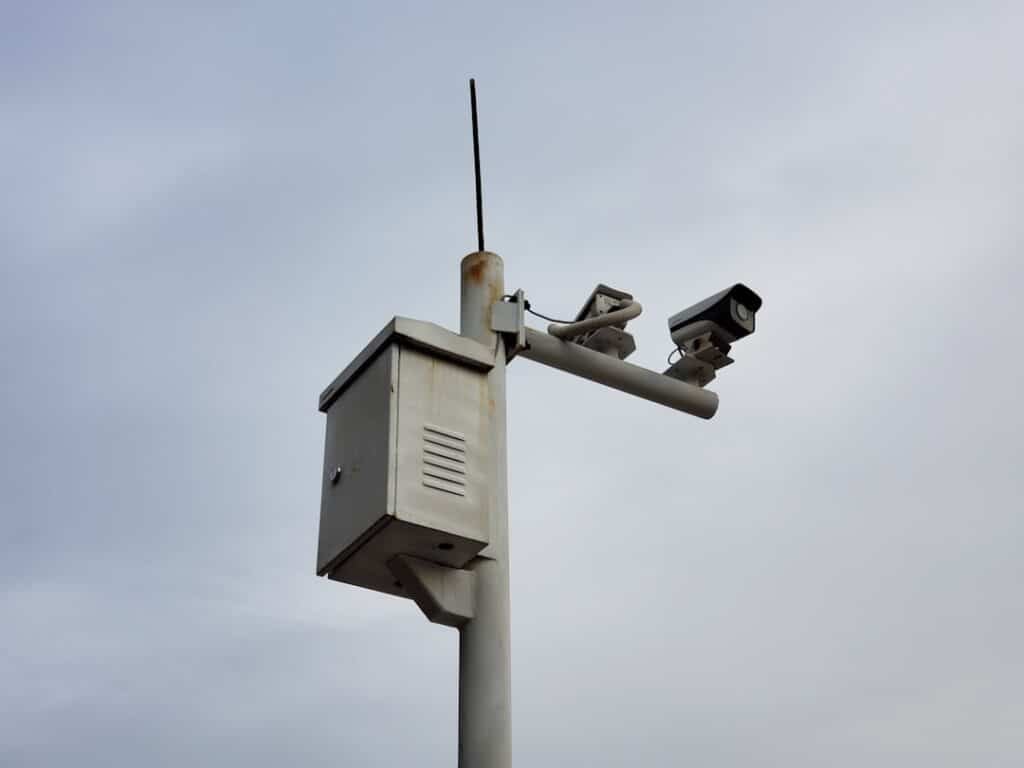
In today’s world, the significance of surveillance camera systems cannot be overstated. As you navigate through your daily life, you may not realize how these systems play a crucial role in enhancing security and safety in various environments. Whether in residential areas, commercial establishments, or public spaces, surveillance cameras serve as a deterrent to criminal activities and provide valuable evidence when incidents occur.
Their presence can instill a sense of safety among individuals, allowing you to feel more secure in your surroundings. Moreover, surveillance camera systems have evolved into sophisticated tools that not only monitor but also analyze behavior and patterns. This capability is particularly important in an age where crime rates fluctuate and security threats become more complex.
By investing in a reliable surveillance system, you are taking proactive steps to protect your property, loved ones, and community. The importance of these systems extends beyond mere observation; they are integral to creating a safer environment for everyone.
Key Takeaways
- Surveillance camera systems are important for enhancing security and safety in various settings, including homes, businesses, and public spaces.
- There are different types of surveillance camera systems, including analog, IP, and wireless systems, each with its own features and benefits.
- The benefits of surveillance camera systems include deterring crime, monitoring activities, and providing evidence for investigations.
- Surveillance camera systems work by capturing and recording video footage, which can be accessed and reviewed remotely or stored for future use.
- When choosing a surveillance camera system, factors to consider include the location, lighting conditions, resolution, and storage capacity, among others.
Types of Surveillance Camera Systems
When considering surveillance camera systems, you will find a variety of options tailored to different needs and environments. One of the most common types is the analog camera, which has been a staple in security for decades. These cameras transmit video signals over coaxial cables and are often more affordable than their digital counterparts.
However, they may lack the high-definition quality that many users desire today. On the other hand, IP (Internet Protocol) cameras have gained popularity due to their advanced features and superior image quality. These cameras connect to the internet, allowing for remote access and monitoring through smartphones or computers.
Additionally, you might encounter PTZ (Pan-Tilt-Zoom) cameras, which offer the ability to move and zoom in on specific areas, providing greater flexibility in monitoring large spaces. Each type of surveillance camera system has its unique advantages, and understanding these differences will help you make an informed decision based on your specific security needs.
Benefits of Surveillance Camera Systems
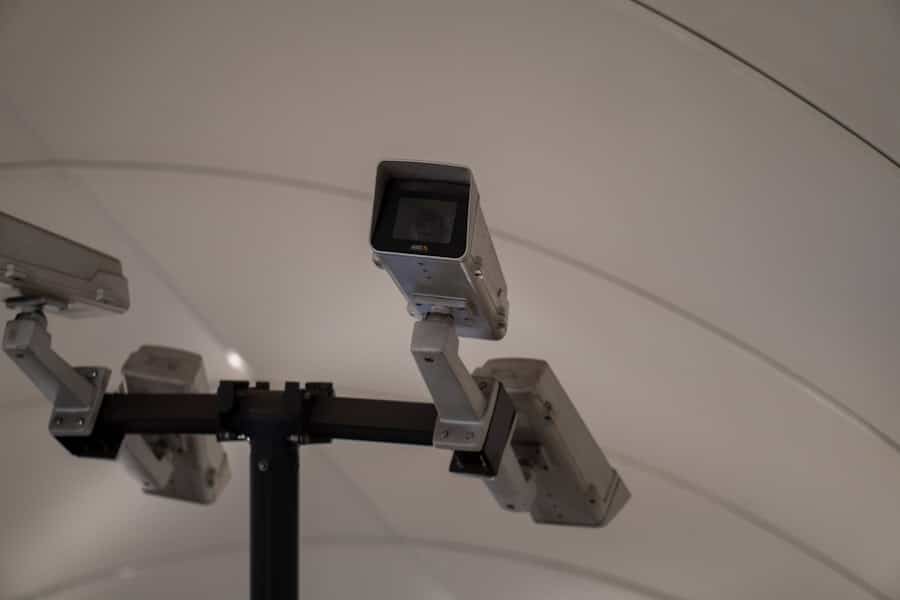
The benefits of surveillance camera systems extend far beyond mere observation. One of the most significant advantages is the deterrent effect they have on potential criminals. When individuals see cameras installed in an area, they are less likely to engage in illegal activities, knowing that their actions are being recorded.
This preventive measure can significantly reduce crime rates in neighborhoods and businesses alike. In addition to deterring crime, surveillance camera systems provide invaluable evidence in the event of an incident. If a theft or vandalism occurs, having recorded footage can assist law enforcement in identifying suspects and recovering stolen property.
Furthermore, these systems can enhance accountability among employees in a business setting, as they promote a culture of transparency and responsibility. By implementing surveillance cameras, you are not only protecting your assets but also fostering a safer environment for everyone involved.
How Surveillance Camera Systems Work
Understanding how surveillance camera systems work can demystify their operation and enhance your appreciation for their capabilities. At their core, these systems consist of cameras that capture video footage and a recording device that stores this data. Depending on the type of system you choose, the cameras may transmit video signals through cables or wirelessly over the internet.
Once the footage is captured, it is processed and stored either locally on a digital video recorder (DVR) or remotely in the cloud. Many modern systems offer features such as motion detection, which triggers recording only when movement is detected, conserving storage space and making it easier for you to review footage. Additionally, advanced analytics can be integrated into these systems to provide insights into patterns and behaviors, further enhancing their effectiveness as security tools.
Factors to Consider when Choosing a Surveillance Camera System
When selecting a surveillance camera system, several factors warrant your consideration to ensure you make the best choice for your needs. First and foremost, assess the specific areas you wish to monitor. The layout of your property will influence the type and number of cameras required.
For instance, if you have large outdoor spaces or multiple entry points, you may need a combination of fixed and PTZ cameras to cover all angles effectively. Another critical factor is the resolution of the cameras. Higher resolution cameras provide clearer images, which can be crucial for identifying faces or license plates.
Additionally, consider whether you need night vision capabilities for low-light conditions or weatherproof cameras for outdoor use. Your budget will also play a significant role in your decision-making process; while it may be tempting to opt for the cheapest option available, investing in quality equipment can yield better long-term results.
Installation and Maintenance of Surveillance Camera Systems
Once you’ve chosen a surveillance camera system that meets your needs, the next step is installation. Depending on your technical expertise, you may opt for professional installation or attempt a DIY approach. If you choose to install the system yourself, ensure that you follow the manufacturer’s guidelines carefully to avoid any issues down the line.
Proper placement of cameras is essential; they should be positioned to cover key areas without obstructions while also being out of reach from potential tampering. Maintenance is another crucial aspect of ensuring your surveillance camera system operates effectively over time. Regularly check the cameras for any obstructions or damage and clean the lenses to maintain clear visibility.
Additionally, keep an eye on software updates for IP cameras, as these updates can enhance functionality and security features. By committing to regular maintenance, you can ensure that your surveillance system remains reliable and effective in safeguarding your property.
Privacy Concerns and Surveillance Camera Systems
As surveillance camera systems become more prevalent, privacy concerns have emerged as a significant topic of discussion. You may find yourself questioning where the line is drawn between security and invasion of privacy. It’s essential to strike a balance that respects individual privacy while still providing adequate protection against potential threats.
To address these concerns, many jurisdictions have established guidelines regarding where cameras can be placed and how footage can be used. For instance, it is generally considered inappropriate to install cameras in private areas such as bathrooms or changing rooms. Being transparent about your use of surveillance cameras can also help alleviate concerns; informing employees or residents about the presence of cameras fosters trust and understanding regarding their purpose.
Legal Regulations and Surveillance Camera Systems
Navigating the legal landscape surrounding surveillance camera systems is crucial for ensuring compliance with local laws and regulations. Depending on where you live, there may be specific rules governing the use of surveillance cameras in public spaces versus private properties. Familiarizing yourself with these regulations will help you avoid potential legal issues down the line.
In many cases, laws require that individuals be informed about the presence of surveillance cameras through signage or other means. Additionally, there may be restrictions on how long footage can be stored and who has access to it. By adhering to these legal requirements, you not only protect yourself from liability but also contribute to a culture of responsible surveillance practices within your community.
Integration of Surveillance Camera Systems with Other Security Measures
To maximize security effectiveness, consider integrating your surveillance camera system with other security measures. For instance, combining cameras with alarm systems can create a comprehensive security solution that addresses various threats simultaneously. When an alarm is triggered, you can have real-time footage from your cameras sent directly to your smartphone or security service provider.
Furthermore, integrating access control systems with surveillance cameras allows for enhanced monitoring of entry points. You can track who enters and exits your property while simultaneously recording their movements on camera. This multi-layered approach not only strengthens security but also provides peace of mind knowing that you have multiple safeguards in place.
Surveillance Camera Systems in Business and Commercial Settings
In business and commercial settings, surveillance camera systems serve as vital tools for protecting assets and ensuring employee safety. As a business owner or manager, investing in a robust surveillance system can help deter theft and vandalism while also promoting a secure working environment for employees. The presence of cameras can discourage dishonest behavior among staff members and foster accountability.
Moreover, surveillance footage can be invaluable for resolving disputes or incidents that may arise within the workplace. Whether it’s addressing customer complaints or investigating employee misconduct, having recorded evidence can provide clarity and support fair resolutions. By implementing an effective surveillance camera system in your business, you are not only safeguarding your assets but also enhancing overall operational efficiency.
Future Trends in Surveillance Camera Systems
As technology continues to advance at a rapid pace, the future of surveillance camera systems looks promising with exciting innovations on the horizon. One notable trend is the integration of artificial intelligence (AI) into surveillance systems. AI-powered cameras can analyze footage in real-time, identifying unusual behaviors or potential threats without requiring constant human oversight.
Additionally, advancements in cloud storage solutions are making it easier than ever to store and access surveillance footage remotely. This shift allows for greater flexibility in monitoring your property from anywhere at any time using mobile devices or computers. As these technologies evolve, you can expect surveillance camera systems to become even more efficient and user-friendly, providing enhanced security solutions tailored to meet your needs.
In conclusion, surveillance camera systems play an essential role in modern security strategies across various settings. By understanding their importance, types, benefits, operation methods, and legal considerations, you are better equipped to make informed decisions regarding your security needs. As technology continues to evolve, staying abreast of trends will ensure that you remain proactive in safeguarding your property and loved ones.
When considering the implementation of a surveillance camera system, it’s essential to explore various aspects of home security to ensure comprehensive protection. An insightful article that delves into this topic is titled “Securing Your Home: Essential Home Security Measures You Should Take.” This piece provides valuable information on the different strategies and technologies available to enhance your home’s security, including the integration of surveillance cameras. For more details, you can read the full article by following this link.
FAQs
What is a surveillance camera system?
A surveillance camera system is a network of cameras that are used to monitor and record activity in a specific area. These systems are commonly used for security and surveillance purposes.
How does a surveillance camera system work?
Surveillance camera systems work by capturing video footage of a specific area and transmitting it to a central monitoring location. The footage can be viewed in real-time or recorded for later review.
What are the components of a surveillance camera system?
A surveillance camera system typically consists of cameras, a recording device (such as a DVR or NVR), and a monitoring system. Some systems may also include additional components such as motion sensors, alarms, and remote access capabilities.
What are the benefits of using a surveillance camera system?
Surveillance camera systems can deter criminal activity, provide evidence in the event of a crime, monitor employee and customer behavior, and enhance overall security and safety.
Are surveillance camera systems legal?
The legality of surveillance camera systems varies by location and specific use. In general, it is legal to use surveillance cameras in public areas and on private property, as long as the cameras are not used in areas where individuals have a reasonable expectation of privacy.
What are the different types of surveillance camera systems?
There are several types of surveillance camera systems, including analog, digital, IP-based, and wireless systems. Each type has its own set of features and capabilities.
How can I choose the right surveillance camera system for my needs?
When choosing a surveillance camera system, consider factors such as the size and layout of the area to be monitored, the level of detail required in the footage, the need for remote access, and the budget for the system. It may be helpful to consult with a security professional to determine the best system for your specific needs.