In an age where safety and security are paramount, the integration of surveillance cameras in vehicles has become increasingly popular. You may have noticed that more drivers are opting for these high-tech devices, which serve as a proactive measure against theft, accidents, and other unforeseen incidents. Surveillance cameras for cars not only provide peace of mind but also enhance the overall driving experience by offering a layer of protection that was previously unavailable.
As you navigate through this article, you will discover the various aspects of these cameras, from their benefits to their installation and maintenance. The rise of technology has transformed the way we approach vehicle safety. With the advent of advanced surveillance systems, you can now monitor your car’s surroundings in real-time, capturing crucial footage that could be vital in various situations.
Whether you are parked in a busy lot or driving through unfamiliar neighborhoods, having a surveillance camera can be a game-changer. This article aims to delve into the multifaceted world of surveillance cameras for cars, exploring their benefits, types, installation processes, and much more.
Key Takeaways
- Surveillance cameras for cars are becoming increasingly popular for safety and security purposes.
- Installing surveillance cameras in cars can provide benefits such as evidence in case of accidents, theft prevention, and monitoring of driving behavior.
- There are different types of surveillance cameras for cars, including dash cams, rearview cameras, and 360-degree cameras.
- When choosing surveillance cameras for cars, factors to consider include video quality, storage capacity, installation ease, and additional features like GPS and motion detection.
- The installation process of surveillance cameras in cars involves mounting the cameras securely, connecting them to a power source, and setting up the recording system.
Benefits of Installing Surveillance Cameras in Cars
One of the most significant advantages of installing surveillance cameras in your vehicle is the enhanced security they provide. You may find comfort in knowing that your car is being monitored at all times, deterring potential thieves and vandals. The presence of a camera can act as a powerful deterrent, making criminals think twice before targeting your vehicle.
Additionally, if an incident does occur, having recorded footage can be invaluable for law enforcement and insurance claims. Another benefit is the ability to capture evidence in the event of an accident. If you are involved in a collision, having video footage can help clarify the circumstances surrounding the incident.
This can be particularly useful in disputes over liability, as the footage can serve as an impartial witness to the events that transpired. Furthermore, many modern surveillance cameras come equipped with features such as loop recording and G-sensors, which automatically save footage during sudden movements or impacts, ensuring that critical evidence is never lost.
Types of Surveillance Cameras for Cars
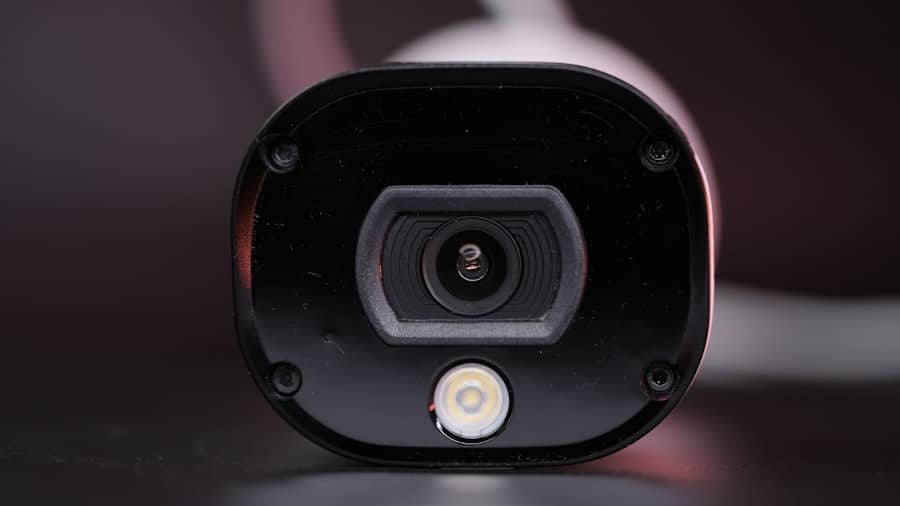
When it comes to choosing surveillance cameras for your vehicle, you will find a variety of options available on the market. Dash cameras are among the most popular types, designed to be mounted on your windshield to capture everything happening in front of your car. These cameras often come with features like night vision and wide-angle lenses, allowing you to record high-quality footage regardless of lighting conditions.
You may appreciate the convenience of dash cams that automatically start recording when you turn on your vehicle. Another type of surveillance camera is the rearview camera, which is typically integrated into your car’s infotainment system or installed as an aftermarket accessory. These cameras provide a clear view of what is behind your vehicle when reversing, helping to prevent accidents and ensuring safer maneuvers.
Additionally, some systems offer 360-degree cameras that provide a comprehensive view of your surroundings, making parking and navigating tight spaces much easier.
Factors to Consider When Choosing Surveillance Cameras for Cars
As you embark on the journey of selecting the right surveillance camera for your vehicle, there are several factors to keep in mind. First and foremost, consider the camera’s resolution and video quality. Higher resolution cameras will provide clearer images, which can be crucial when identifying details such as license plates or faces.
You may want to look for cameras that offer at least 1080p resolution for optimal clarity. Another important factor is the camera’s field of view. A wider field of view allows you to capture more of your surroundings, reducing blind spots and ensuring comprehensive coverage.
Additionally, consider whether you want a single camera or a multi-camera system. While a single dash cam may suffice for basic recording needs, a multi-camera setup can provide additional angles and perspectives that enhance overall security.
Installation Process of Surveillance Cameras in Cars
Installing surveillance cameras in your vehicle can be a straightforward process, especially if you opt for models designed for easy installation. Many dash cams come with adhesive mounts or suction cups that allow you to attach them to your windshield without any tools. You will typically need to connect the camera to your car’s power supply, which can often be done using a simple USB cable or hardwiring it into your vehicle’s electrical system.
If you choose a more complex multi-camera system or if you’re not comfortable with DIY installations, you may want to consider seeking professional help. Many automotive shops offer installation services for surveillance cameras, ensuring that everything is set up correctly and functioning optimally. Regardless of whether you choose to install the camera yourself or hire a professional, it’s essential to ensure that the camera is positioned correctly for maximum visibility and effectiveness.
Legal Considerations for Using Surveillance Cameras in Cars

While surveillance cameras offer numerous benefits, it’s crucial to be aware of the legal considerations surrounding their use. Laws regarding video recording vary by state and country, so it’s essential to familiarize yourself with local regulations before installing a camera in your vehicle. In many places, it is legal to record video in public spaces; however, recording audio may have stricter regulations due to privacy concerns.
You should also consider where you place your camera within your vehicle. For instance, mounting a camera in a way that obstructs your view while driving could lead to legal issues or traffic violations. Additionally, if you plan to share footage from your camera online or with law enforcement, ensure that you are not violating anyone’s privacy rights in the process.
Maintenance and Care for Surveillance Cameras in Cars
To ensure that your surveillance camera continues to function effectively over time, regular maintenance and care are essential. Start by keeping the lens clean; dirt and grime can obstruct the view and reduce video quality. You can use a microfiber cloth and a gentle cleaning solution specifically designed for electronics to wipe down the lens periodically.
Additionally, check the camera’s connections and power supply regularly to ensure everything is functioning correctly. If you notice any issues with recording or playback, troubleshooting early can prevent more significant problems down the line. Keeping your software updated is also crucial; many manufacturers release firmware updates that enhance performance and add new features.
How Surveillance Cameras in Cars Can Improve Safety
The presence of surveillance cameras in cars significantly enhances safety for both drivers and passengers. With real-time monitoring capabilities, these cameras can alert you to potential hazards before they escalate into dangerous situations. For instance, if someone approaches your vehicle while parked or if another driver is behaving erratically nearby, having a camera can help you stay aware and take necessary precautions.
Moreover, surveillance cameras can foster safer driving habits by encouraging accountability. Knowing that your actions are being recorded may prompt you to drive more cautiously and adhere to traffic laws more diligently. This heightened awareness not only benefits you but also contributes to overall road safety for everyone.
How Surveillance Cameras in Cars Can Help in Insurance Claims
In the unfortunate event of an accident or theft, having surveillance footage can be invaluable when filing insurance claims. Insurance companies often require evidence to substantiate claims, and video footage can serve as irrefutable proof of what transpired during an incident. This can expedite the claims process and increase the likelihood of receiving fair compensation.
Additionally, having clear evidence can help prevent disputes with other parties involved in an accident. If there are conflicting accounts of what happened, video footage can clarify liability and protect you from being unfairly blamed for an incident. This added layer of protection can save you time, stress, and potentially significant financial losses.
Tips for Using Surveillance Cameras in Cars Effectively
To maximize the benefits of your surveillance camera system, consider implementing some best practices for effective usage. First, ensure that your camera is always powered on and functioning correctly before starting your journey. Regularly check recordings to confirm that everything is working as intended and that you’re capturing high-quality footage.
Additionally, familiarize yourself with the features of your camera system. Many modern cameras come equipped with advanced functionalities such as motion detection and cloud storage options. Understanding how these features work will allow you to utilize them effectively and enhance your overall experience with the system.
Future Trends in Surveillance Cameras for Cars
As technology continues to evolve at a rapid pace, so too do surveillance cameras for cars. One emerging trend is the integration of artificial intelligence (AI) into these systems. AI-powered cameras can analyze footage in real-time, identifying potential threats or unusual behavior around your vehicle and alerting you accordingly.
Another exciting development is the increasing connectivity between vehicles and smart devices. Future surveillance systems may allow you to access live feeds from your camera directly on your smartphone or integrate seamlessly with other smart home devices for enhanced security management. As these technologies advance, you can expect even greater levels of safety and convenience from surveillance cameras in cars.
In conclusion, investing in surveillance cameras for your vehicle offers numerous benefits ranging from enhanced security to improved safety on the road. By understanding the various types available and considering factors such as installation and legal implications, you can make informed decisions that best suit your needs. As technology continues to advance, staying updated on trends will ensure that you are equipped with the best tools available for protecting yourself and your vehicle.
Surveillance cameras for cars have become an essential tool for enhancing vehicle security and providing peace of mind to car owners. These cameras not only deter potential thefts but also provide valuable evidence in case of accidents or disputes. For those interested in expanding their security measures beyond vehicles, the role of community policing in home security is an insightful topic to explore. Community policing can significantly enhance the safety of neighborhoods by fostering collaboration between residents and law enforcement. To learn more about how community policing contributes to home security, you can read the related article on this topic by visiting The Role of Community Policing in Home Security.
FAQs
What are surveillance cameras for cars?
Surveillance cameras for cars are small, portable cameras that can be installed inside or outside of a vehicle to record video footage of the vehicle’s surroundings.
How do surveillance cameras for cars work?
Surveillance cameras for cars typically use a combination of sensors, lenses, and image processors to capture and record video footage. Some cameras may also have built-in GPS and Wi-Fi capabilities for additional functionality.
What are the benefits of using surveillance cameras for cars?
Surveillance cameras for cars can provide evidence in the event of accidents, vandalism, or theft. They can also help monitor driving behavior and provide a sense of security for the vehicle and its occupants.
Are surveillance cameras for cars legal?
Laws regarding the use of surveillance cameras for cars vary by location. It is important to research and understand the laws and regulations in your specific area before installing and using a surveillance camera in your vehicle.
What features should I look for in a surveillance camera for my car?
When choosing a surveillance camera for your car, consider features such as video resolution, field of view, night vision capabilities, storage capacity, and ease of installation and use. It is also important to consider any additional features that may be important to your specific needs, such as GPS tracking or Wi-Fi connectivity.