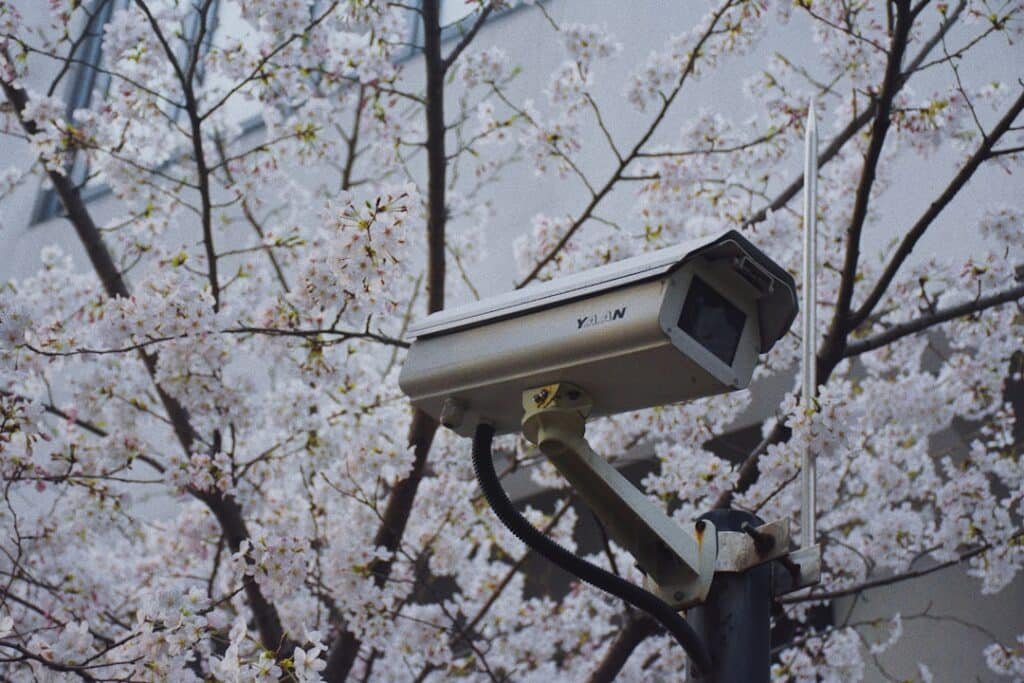
In today’s digital age, the concept of privacy has become increasingly elusive. You may find yourself grappling with the implications of surveillance technologies that permeate your daily life. From security cameras in public spaces to data collection by various apps and services, the invasion of privacy is a pressing concern.
You might feel that your every move is being monitored, leading to a sense of unease and discomfort. The pervasive nature of these technologies raises questions about where the line should be drawn between safety and personal freedom. Moreover, the invasion of privacy extends beyond mere observation.
You may be aware that your personal data is often collected, analyzed, and sold without your explicit consent. This commodification of your private information can feel like a violation of your autonomy. As you navigate through a world filled with surveillance, you might wonder how much control you truly have over your own life.
The balance between security measures and individual rights is a delicate one, and it is essential to consider the long-term implications of living in a society where privacy is increasingly compromised.
Key Takeaways
- Invasion of Privacy: Surveillance technology can infringe on individuals’ privacy rights by constantly monitoring their activities.
- Potential for Misuse: There is a risk of the technology being misused for unauthorized surveillance or tracking of individuals.
- Cost and Maintenance: Implementing and maintaining surveillance technology can be expensive and require ongoing resources.
- False Sense of Security: Relying solely on surveillance technology can create a false sense of security and may not effectively prevent crime.
- Limited Effectiveness: Surveillance technology may have limited effectiveness in deterring crime and may not address underlying social issues.
- Legal and Ethical Concerns: There are legal and ethical concerns surrounding the use of surveillance technology, including consent and data protection.
- Potential for Hacking: Surveillance technology is vulnerable to hacking, which can compromise the security and privacy of the community.
- Impact on Community Relations: The use of surveillance technology can impact community relations and trust in law enforcement and government authorities.
Potential for Misuse
Exploitation and Harassment
Individuals or organizations could use surveillance footage or data to harass, stalk, or discriminate against others. The very technologies designed to protect you can also be weaponized against you or those around you.
Governmental Overreach
Furthermore, the misuse of surveillance can extend to governmental overreach. Authorities could leverage these tools to monitor citizens without just cause, raising concerns about privacy and civil liberties.
Real and Present Dangers
The potential for abuse is significant, especially in environments where checks and balances are weak. The risks associated with surveillance technologies are not merely theoretical; they are real and present dangers that can affect anyone at any time.
Cost and Maintenance
When considering the implementation of surveillance systems, the financial implications cannot be overlooked. You may be surprised to learn that the initial costs of purchasing and installing surveillance equipment can be substantial. Beyond the upfront investment, ongoing maintenance and operational expenses can add up quickly.
You might find yourself questioning whether the benefits of such systems truly outweigh the financial burden they impose. Additionally, the cost of surveillance extends beyond mere dollars and cents. You may also need to consider the human resources required to monitor and manage these systems effectively.
Training personnel to operate surveillance equipment and analyze data can be time-consuming and costly. As you weigh these factors, it becomes evident that the financial implications of surveillance are complex and multifaceted, requiring careful consideration before any decisions are made.
False Sense of Security
One of the most insidious aspects of surveillance technology is its ability to create a false sense of security. You may feel reassured by the presence of cameras or monitoring systems, believing that they will deter crime or ensure safety. However, this perception can lead to complacency, causing you to let your guard down in situations where vigilance is still necessary.
The illusion of safety can be dangerously misleading, as it may encourage risky behaviors or decisions. Moreover, relying too heavily on surveillance can divert attention from more effective crime prevention strategies. You might find that communities focusing solely on surveillance measures neglect other essential aspects of safety, such as community engagement or social programs.
As you consider the broader implications of this false sense of security, it becomes clear that a balanced approach to safety is crucial—one that combines technology with proactive community involvement.
Limited Effectiveness
While surveillance technologies are often touted as effective crime deterrents, their actual effectiveness can be limited. You may have heard stories about crimes occurring even in heavily monitored areas, raising questions about the true impact of these systems on crime rates. The reality is that criminals often adapt their tactics to evade detection, rendering surveillance less effective than anticipated.
Additionally, you might consider the psychological aspect of surveillance on potential offenders. While some may be deterred by the presence of cameras, others may not be dissuaded at all. This inconsistency in effectiveness can lead to a false sense of security among community members who believe they are protected simply because they are being watched.
As you reflect on this issue, it becomes evident that relying solely on surveillance for safety may not yield the desired results.
Legal and Ethical Concerns
The legal and ethical implications surrounding surveillance technologies are complex and multifaceted. You may find yourself grappling with questions about consent and accountability when it comes to monitoring individuals in public or private spaces. The lack of clear regulations governing surveillance practices can lead to significant ethical dilemmas, particularly when it comes to balancing safety with individual rights.
Moreover, you might be concerned about how surveillance technologies disproportionately affect marginalized communities. The potential for profiling and discrimination raises serious ethical questions about who is being monitored and why. As you navigate these legal and ethical concerns, it becomes clear that a comprehensive framework is needed to ensure that surveillance practices respect individual rights while still addressing legitimate safety concerns.
Potential for Hacking
In an era where cyber threats are increasingly prevalent, the potential for hacking poses a significant risk to surveillance systems. You may be aware that many surveillance technologies are connected to the internet, making them vulnerable to cyberattacks. A breach could compromise not only the integrity of the data collected but also your personal information if it is stored within these systems.
Furthermore, you might consider the implications of hacked surveillance systems on public safety. If criminals gain access to live feeds or recorded footage, they could exploit this information for malicious purposes. The potential for hacking underscores the need for robust cybersecurity measures in any surveillance implementation.
As you reflect on this issue, it becomes clear that safeguarding against cyber threats is an essential component of any responsible approach to surveillance.
Impact on Community Relations
Finally, the implementation of surveillance technologies can have profound effects on community relations. You may notice that increased monitoring can create an atmosphere of distrust among residents. When individuals feel they are being watched constantly, it can lead to feelings of alienation and resentment toward authorities or organizations responsible for the surveillance.
Moreover, you might find that communities with heavy surveillance often experience a breakdown in social cohesion. Instead of fostering a sense of safety and belonging, constant monitoring can create divisions among residents who feel scrutinized or targeted. As you consider the broader implications of surveillance on community dynamics, it becomes evident that building trust and fostering positive relationships should be prioritized over mere observation.
In conclusion, while surveillance technologies offer certain benefits in terms of safety and security, they also raise significant concerns regarding privacy invasion, potential misuse, costs, effectiveness, legal and ethical issues, hacking risks, and community relations. As you navigate this complex landscape, it is essential to engage in thoughtful discussions about how best to balance these competing interests in a way that respects individual rights while promoting public safety.
When considering the cons of security cameras, it is important to also think about the benefits of having a comprehensive home security system in place. A related article on securing your home office offers valuable tips for remote workers who may be looking to enhance their security measures. By implementing a combination of security cameras and other home security features, such as alarms and motion sensors, individuals can better protect their homes and belongings. To learn more about home security system services in Orange, California or Jersey City, New Jersey, visit oursecurehome.net.