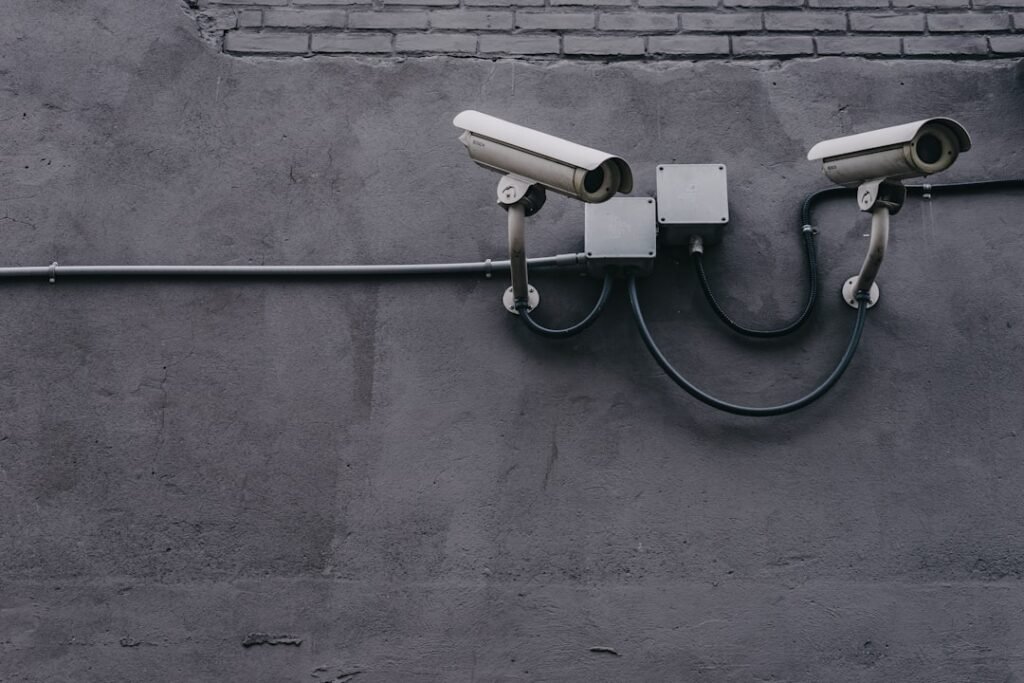
In an age where safety and security are paramount, the importance of home security systems cannot be overstated. You may find yourself increasingly concerned about the safety of your home and loved ones, especially with the rise in crime rates in various areas. Home security systems have evolved significantly over the years, transitioning from simple locks and alarms to sophisticated networks of cameras, motion detectors, and smart technology that can be monitored remotely.
These systems not only serve as a deterrent to potential intruders but also provide peace of mind for homeowners. As you consider investing in a home security system, it’s essential to understand the various components and technologies available. From traditional alarm systems to modern smart home integrations, the options can be overwhelming.
You might wonder which features are necessary for your specific needs and how they can enhance your overall sense of security. This article will explore the pros and cons of home security systems, their costs, effectiveness, privacy concerns, and the potential for false alarms, helping you make an informed decision about safeguarding your home.
Key Takeaways
- Home security systems provide peace of mind and protection for your family and property.
- Pros of having a home security system include deterrence of burglars, remote monitoring, and potential discounts on home insurance.
- Cons of having a home security system may include false alarms, privacy concerns, and the initial cost of installation.
- Cost considerations for home security systems include upfront installation costs, monthly monitoring fees, and potential additional equipment expenses.
- Home security systems are generally effective in deterring burglaries and providing a sense of security for homeowners.
Pros of Having a Home Security System
One of the most significant advantages of having a home security system is the peace of mind it provides. Knowing that your home is equipped with surveillance cameras and alarm systems can alleviate anxiety about potential break-ins or emergencies. You may feel more secure leaving your home unattended for extended periods, whether for work or vacation, knowing that your property is being monitored.
This sense of security extends beyond just physical safety; it can also enhance your overall quality of life, allowing you to focus on what truly matters. Additionally, many home security systems come with features that can help you respond quickly in emergencies. For instance, some systems include smoke detectors and carbon monoxide sensors that alert you to dangers before they escalate.
You might also appreciate the convenience of remote monitoring through smartphone apps, enabling you to check on your home from anywhere in the world. This level of control can be particularly reassuring when you’re away from home, as you can receive real-time alerts and even view live footage from your security cameras.
Cons of Having a Home Security System
While there are numerous benefits to installing a home security system, it’s essential to consider the potential downsides as well. One significant drawback is the cost associated with purchasing and maintaining these systems. Depending on the complexity and features of the system you choose, initial installation costs can be substantial.
You may find yourself weighing the financial investment against the perceived benefits, especially if you live in a relatively safe neighborhood. Moreover, some homeowners may feel overwhelmed by the technology involved in modern security systems. With smart home integrations becoming increasingly popular, you might encounter challenges in setting up and managing these devices.
If you’re not particularly tech-savvy, navigating through various apps and settings could become frustrating. Additionally, there’s always the risk that technology can fail; power outages or system malfunctions could leave you vulnerable at critical moments.
Cost Considerations
When contemplating a home security system, understanding the cost implications is crucial. The initial investment can vary widely based on the type of system you choose—ranging from basic alarm systems to comprehensive smart home setups. You may find that some companies offer packages that include equipment and installation for a flat fee, while others charge separately for each component.
It’s essential to evaluate what features are necessary for your specific situation and budget accordingly. Beyond the initial costs, ongoing expenses should also be factored into your decision-making process. Many security systems require monthly monitoring fees, which can add up over time.
You might also need to consider potential costs for maintenance or upgrades as technology evolves. As you weigh these financial aspects, it’s wise to compare different providers and their offerings to ensure you’re getting the best value for your investment.
Effectiveness of Home Security Systems
The effectiveness of home security systems is often a topic of debate among homeowners and experts alike. Numerous studies suggest that homes equipped with security systems are less likely to be targeted by burglars compared to those without any form of protection. You may find comfort in knowing that simply displaying a security sign or sticker can deter potential intruders from even attempting a break-in.
This psychological aspect plays a significant role in enhancing your home’s safety. However, it’s important to recognize that no system is foolproof. While many security measures can significantly reduce risks, determined criminals may still find ways to bypass them.
You might consider complementing your security system with other safety practices, such as neighborhood watch programs or community engagement initiatives. By fostering a sense of vigilance within your community, you can enhance the overall effectiveness of your home security measures.
Privacy Concerns
As you delve deeper into the world of home security systems, privacy concerns may arise. With many modern systems featuring cameras and microphones, you might worry about how this data is stored and who has access to it. The thought of being constantly monitored can feel invasive, especially if you’re not entirely comfortable with sharing your personal space with technology.
It’s crucial to research how different companies handle data privacy and what measures they have in place to protect your information. Moreover, there’s always the risk of hacking or unauthorized access to your security system. If a cybercriminal gains control over your cameras or alarm system, it could lead to serious breaches of privacy and safety.
As you consider investing in a home security system, take the time to understand the cybersecurity measures implemented by various providers and ensure that they prioritize user privacy.
Potential False Alarms
Another aspect to consider when evaluating home security systems is the potential for false alarms. While these systems are designed to alert you and authorities in case of an emergency, they are not infallible. You may experience false alarms due to various factors such as pets triggering motion sensors or technical glitches within the system itself.
These incidents can lead to unnecessary stress and may even result in fines from local law enforcement if they occur frequently. To mitigate this issue, it’s essential to choose a system that allows for customization based on your lifestyle and environment. For instance, some systems offer pet-friendly motion sensors that can distinguish between human movement and that of smaller animals.
Additionally, regular maintenance and updates can help reduce the likelihood of false alarms occurring in the first place.
Conclusion and Recommendations
In conclusion, investing in a home security system is a significant decision that requires careful consideration of various factors. While these systems offer numerous benefits such as peace of mind and enhanced safety, they also come with potential drawbacks like costs and privacy concerns. As you weigh these pros and cons, it’s essential to assess your unique needs and circumstances.
To make an informed choice, consider conducting thorough research on different types of systems available in the market today. Look for reputable providers with positive customer reviews and transparent policies regarding data privacy and false alarms. Additionally, think about integrating your security system with other safety measures within your community for a more comprehensive approach to home safety.
Ultimately, by taking these steps, you can ensure that your investment in a home security system effectively protects what matters most to you while providing peace of mind for years to come.
If you are considering installing a home security system, you may also want to read about the “5 Must-Have Features for Your Home Security System” on oursecurehome.net. This article provides valuable insights into the essential components that can enhance the effectiveness of your security system and help you make an informed decision.
FAQs
What are the pros of a home security system?
– Increased protection and security for your home and family
– Deterrent for potential burglars and intruders
– Ability to monitor your home remotely
– Potential discounts on home insurance premiums
– Integration with smart home technology for added convenience
What are the cons of a home security system?
– Cost of installation and monthly monitoring fees
– False alarms can lead to fines and wasted time for emergency responders
– Privacy concerns related to surveillance cameras and monitoring
– Potential for system malfunctions or hacking
– Limited effectiveness if not properly maintained or monitored