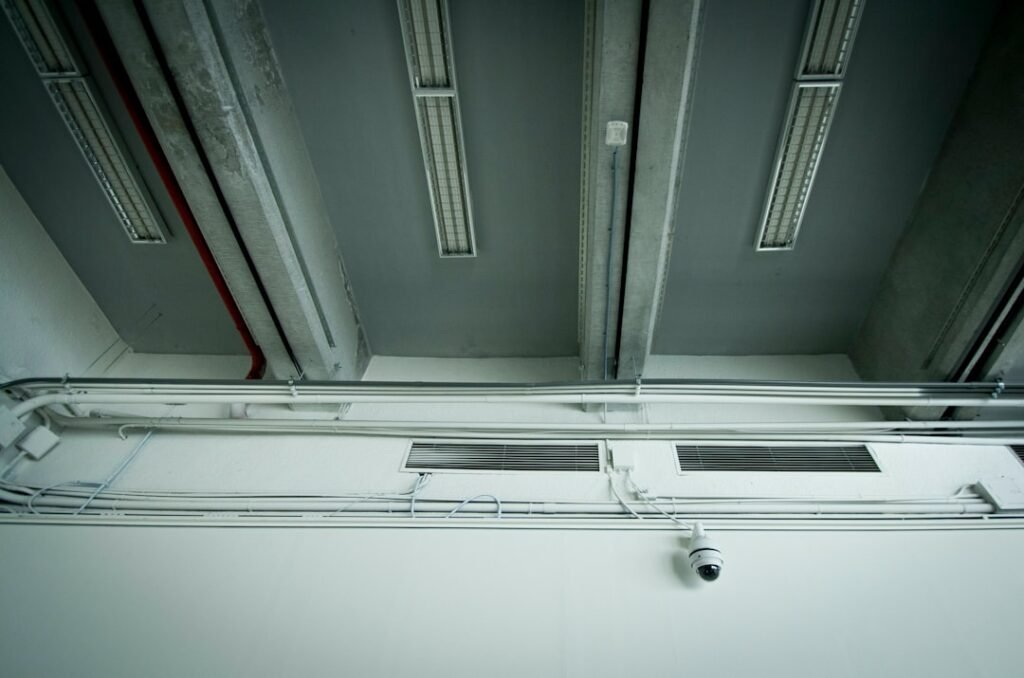
When you think about security systems, the primary purpose that comes to mind is protection. These systems are designed to safeguard your property, whether it’s your home or business, from potential threats such as burglary, vandalism, or other criminal activities. The function of a security system goes beyond mere deterrence; it provides peace of mind, allowing you to focus on your daily activities without the constant worry of what might happen when you’re not around.
By investing in a robust security system, you are taking proactive steps to ensure the safety of your loved ones and valuable assets. Moreover, modern security systems serve multiple functions that enhance their effectiveness. They can monitor environmental conditions, detect smoke or carbon monoxide, and even alert you to water leaks.
This multifunctionality means that a security system is not just a tool for crime prevention; it’s an integral part of a comprehensive safety strategy. With features like remote monitoring and real-time alerts, you can stay connected to your property no matter where you are, ensuring that you are always in control of your environment.
Key Takeaways
- Purpose and Function:
- Security system is designed to protect property and people from unauthorized access and potential threats.
- It functions by detecting and alerting to any suspicious activity through a combination of sensors and alarms.
- Components and Installation:
- Components include cameras, motion sensors, door/window sensors, control panel, and monitoring service.
- Installation involves placing sensors in strategic locations and connecting them to the control panel.
- Monitoring and Response:
- Security system can be monitored by a professional service or self-monitored through a mobile app.
- Response can include alerting the authorities or contacting the homeowner/business owner in case of an emergency.
- Deterrence and Prevention:
- Visible security cameras and signs act as a deterrent to potential intruders.
- Alarm systems and quick response can prevent theft and damage to property.
- Cost and Maintenance:
- Costs vary based on the type and size of the system, as well as monitoring services.
- Regular maintenance and testing of the system is essential to ensure its effectiveness.
- Integration and Compatibility:
- Security systems can integrate with smart home devices for added convenience and control.
- Compatibility with different types of sensors and cameras allows for customization based on specific needs.
- Flexibility and Customization:
- Security systems can be tailored to fit the unique requirements of homes and businesses.
- Customizable features include the ability to add or remove sensors, adjust monitoring settings, and create specific response protocols.
- Considerations for Home and Business Use:
- Home security systems focus on protecting family and property, while business systems may also include access control and surveillance for employees and customers.
- Both home and business security systems should be designed to meet specific security needs and comply with relevant regulations.
Components and Installation
Understanding the components of a security system is crucial for making informed decisions about your setup. Typically, a security system consists of cameras, motion detectors, alarms, and control panels. Cameras can be placed both indoors and outdoors to provide a comprehensive view of your property.
Motion detectors are essential for identifying movement in designated areas, while alarms serve as immediate alerts when unauthorized access is detected. The control panel acts as the brain of the system, allowing you to manage all components from one central location. Installation can vary significantly based on the complexity of the system you choose.
For simpler setups, you might opt for a DIY installation, which can save you money and give you a sense of accomplishment. However, for more advanced systems that require intricate wiring or integration with existing infrastructure, hiring a professional installer may be the best route. A professional can ensure that all components are correctly positioned and configured for optimal performance, providing you with a reliable security solution tailored to your specific needs.
Monitoring and Response
Monitoring is a critical aspect of any security system. It involves keeping an eye on your property through various means, whether through live feeds from cameras or alerts from motion sensors. Many modern systems offer 24/7 monitoring services that can notify authorities in case of an emergency.
This level of vigilance ensures that any suspicious activity is addressed promptly, significantly reducing the risk of loss or damage. Your response to alerts is equally important. When an alarm goes off or a motion detector is triggered, how you react can make all the difference.
Some systems allow you to customize your response protocols; for instance, you might choose to receive a text message or phone call when an alert occurs. This feature enables you to assess the situation before taking action, whether that means contacting law enforcement or simply checking your security cameras for further information. The ability to respond quickly and effectively can be crucial in preventing potential threats from escalating.
Deterrence and Prevention
One of the most significant benefits of having a security system is its deterrent effect. The mere presence of cameras and alarms can discourage potential intruders from attempting to breach your property. Many criminals are opportunistic; they often look for easy targets that appear vulnerable.
By visibly displaying your security measures, you send a clear message that your property is protected and that any attempt at intrusion will likely be met with resistance. Prevention goes hand in hand with deterrence. A well-designed security system not only discourages criminal activity but also helps prevent incidents before they occur.
For example, motion-activated lights can illuminate dark areas around your property, making it less appealing for someone with ill intentions. Additionally, regular maintenance and updates to your system ensure that it remains effective over time, adapting to new threats as they arise. By prioritizing both deterrence and prevention, you create a safer environment for yourself and those around you.
Cost and Maintenance
When considering a security system, cost is often a significant factor in your decision-making process. The initial investment can vary widely based on the components you choose and whether you opt for professional installation or a DIY approach. While it may be tempting to go for the cheapest option available, it’s essential to consider the long-term value of your investment.
A more robust system may have higher upfront costs but could save you money in the long run by preventing theft or damage. Maintenance is another critical aspect that should not be overlooked. Regular checks and updates are necessary to ensure that all components are functioning correctly.
This may involve changing batteries in wireless devices, cleaning camera lenses, or updating software for smart systems. Some companies offer maintenance packages as part of their service, which can provide peace of mind knowing that your system is always in top condition. By budgeting for both initial costs and ongoing maintenance, you can ensure that your security system remains effective over time.
Integration and Compatibility
In today’s digital age, integration with other smart home devices is becoming increasingly important. A security system that can seamlessly connect with other technologies—such as smart locks, lights, and thermostats—offers enhanced functionality and convenience. For instance, when your security system detects motion outside your home, it could trigger outdoor lights to turn on automatically, illuminating the area and potentially scaring off intruders.
Compatibility is also crucial when selecting components for your security system. You want to ensure that all devices work together harmoniously without any technical glitches. Many manufacturers provide ecosystems where their products are designed to integrate smoothly with one another.
Before making a purchase, take the time to research compatibility options and consider how each component will fit into your overall security strategy.
Flexibility and Customization
Flexibility is one of the standout features of modern security systems. You have the ability to customize your setup based on your specific needs and preferences. Whether you live in a small apartment or a large estate, there are solutions available that can be tailored to fit your unique situation.
This customization extends beyond just the number of cameras or sensors; it also includes how alerts are delivered to you and how the system interacts with other devices in your home. Additionally, many systems allow for scalability, meaning you can start with a basic setup and expand it as needed over time. If you add new rooms or outdoor spaces to your property, you can easily incorporate additional cameras or sensors without having to replace your entire system.
This flexibility ensures that your security measures grow alongside your needs, providing ongoing protection without requiring constant reinvestment.
Considerations for Home and Business Use
When deciding on a security system, it’s essential to consider whether it will be used for home or business purposes, as each has unique requirements. For residential use, factors such as ease of use and family safety may take precedence. You might prioritize features like remote access through mobile apps or user-friendly interfaces that allow family members to interact with the system effortlessly.
On the other hand, businesses often require more complex solutions due to higher foot traffic and increased risk factors. Commercial systems may need advanced features like access control for employees or integration with alarm monitoring services that can respond quickly in emergencies. Additionally, businesses may have specific compliance requirements related to data protection or employee safety that must be addressed when selecting a security solution.
In conclusion, investing in a security system is an essential step toward protecting your property and ensuring peace of mind. By understanding its purpose and function, components and installation processes, monitoring capabilities, deterrent effects, costs associated with maintenance, integration options with other technologies, flexibility in customization, and considerations specific to home versus business use, you can make informed decisions that best suit your needs. Ultimately, a well-chosen security system not only safeguards your assets but also enhances your overall quality of life by allowing you to feel secure in your environment.
If you are interested in learning more about home security systems, you may want to check out this article on home security system services in Arlington, Texas. This article provides valuable information on the different types of security systems available and how they can help protect your home. It also discusses the importance of having a reliable security system in place to keep your family and belongings safe.
FAQs
What is a security camera?
A security camera is a device that captures and records video footage of a specific area. It is used for surveillance and monitoring purposes to enhance security and safety.
What is an alarm system?
An alarm system is a network of interconnected devices, such as sensors and control panels, designed to detect and alert individuals to potential security threats, such as intrusion, fire, or carbon monoxide.
What is the difference between a security camera and an alarm system?
The main difference between a security camera and an alarm system is their primary function. A security camera is used to capture and record video footage for surveillance purposes, while an alarm system is designed to detect and alert individuals to potential security threats.
How do security cameras and alarm systems work together?
Security cameras and alarm systems can work together to provide comprehensive security coverage. Security cameras can capture footage of potential security threats, while alarm systems can detect and alert individuals to those threats, allowing for a more proactive approach to security.
Do security cameras have built-in alarm features?
Some security cameras may have built-in alarm features, such as motion detection or sound alerts. However, these features are not as comprehensive as a dedicated alarm system and may not provide the same level of security.
Can an alarm system include security cameras?
Yes, an alarm system can include security cameras as part of its overall security infrastructure. This integration allows for a more comprehensive approach to security, combining the detection and alert capabilities of an alarm system with the surveillance capabilities of security cameras.