As you step into the world of technology, you may have heard the buzz surrounding 5G. This fifth generation of mobile network technology promises to revolutionize the way we connect and communicate. With its lightning-fast speeds, reduced latency, and the ability to connect a multitude of devices simultaneously, 5G is set to transform various sectors, including healthcare, transportation, and, notably, security systems.
The transition from 4G to 5G is not merely an upgrade; it represents a paradigm shift that could redefine how you interact with technology in your daily life. 5G technology operates on a different frequency spectrum than its predecessors, utilizing higher frequency bands that allow for greater data transmission rates. This means that you can expect faster downloads, smoother streaming, and more reliable connections.
As you delve deeper into the implications of 5G, it becomes clear that its impact extends beyond personal convenience. The enhanced capabilities of 5G can lead to smarter cities, improved public safety measures, and more efficient security systems that can adapt to the ever-evolving landscape of threats.
Key Takeaways
- 5G technology is the next generation of wireless networks, promising faster speeds, lower latency, and increased connectivity.
- 5G has the potential to significantly impact security systems by enabling faster data transmission, improved video quality, and enhanced IoT device connectivity.
- Advantages of 5G for security systems include improved real-time monitoring, better integration with IoT devices, and enhanced remote access and control.
- Potential challenges and concerns for security systems with 5G include higher costs, compatibility issues, and increased vulnerability to cyber attacks.
- Security system providers are adapting to 5G by developing new products and solutions, upgrading existing infrastructure, and collaborating with telecom companies to ensure compatibility.
Potential impact of 5G on security systems
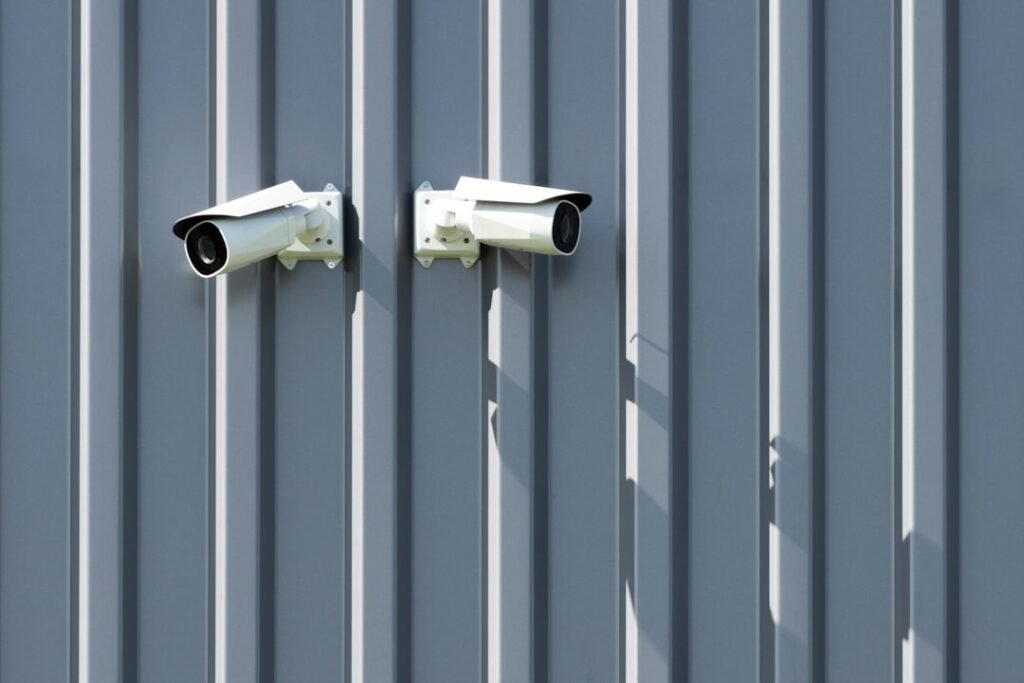
The integration of 5G technology into security systems holds immense potential for enhancing safety and efficiency. With the ability to transmit vast amounts of data in real-time, security systems can become more responsive and proactive. Imagine a scenario where surveillance cameras equipped with 5G can stream high-definition video feeds to monitoring stations without any lag.
This capability allows security personnel to react swiftly to incidents as they unfold, potentially preventing crimes before they occur. Moreover, the interconnected nature of 5G means that various security devices can communicate seamlessly with one another. For instance, alarm systems, access controls, and surveillance cameras can work in unison to create a comprehensive security network.
This interconnectedness not only improves the overall effectiveness of security measures but also enables you to monitor and control your security system remotely through your smartphone or other devices. The potential for real-time data analysis and machine learning algorithms further enhances the ability to identify patterns and predict threats, making your security system smarter and more efficient.
Advantages of 5G for security systems
One of the most significant advantages of 5G for security systems is its speed. With data transfer rates that can reach up to 10 gigabits per second, you can expect near-instantaneous communication between devices. This speed is crucial for applications such as facial recognition technology or license plate recognition systems, where every millisecond counts in identifying potential threats.
The ability to process and analyze data quickly allows for timely responses, which can be critical in emergency situations. In addition to speed, 5G offers improved reliability and coverage. The technology is designed to support a higher density of devices per square kilometer, which means that even in crowded urban environments, your security devices can maintain stable connections.
This reliability is essential for ensuring that your security system remains operational at all times, especially during critical moments when you need it most. Furthermore, the low latency associated with 5G means that commands sent from your device to your security system will be executed almost instantaneously, enhancing your overall user experience.
Potential challenges and concerns for security systems with 5G
While the advantages of 5G are compelling, it is essential to acknowledge the potential challenges and concerns that come with this new technology. One significant issue is the increased complexity of security systems as they become more interconnected. With multiple devices communicating over a shared network, the risk of cyberattacks may rise.
Hackers could exploit vulnerabilities in one device to gain access to the entire system, posing a significant threat to your security. Another concern is the need for robust infrastructure to support 5G networks. In many areas, especially rural or underserved regions, the rollout of 5G may be slow or incomplete.
This uneven distribution could lead to disparities in security capabilities between urban and rural areas. Additionally, as you consider upgrading your security system to be compatible with 5G, you may face challenges related to cost and compatibility with existing devices. Ensuring that your current equipment can integrate seamlessly with new technology may require significant investment and planning.
How security system providers are adapting to 5G
In response to the advent of 5G technology, security system providers are actively adapting their offerings to leverage its capabilities. Many companies are investing in research and development to create innovative solutions that harness the power of 5G. This includes developing new hardware that is specifically designed for high-speed data transmission and low-latency communication.
As a result, you can expect to see a new generation of security cameras, sensors, and alarm systems that are optimized for 5G networks. Moreover, security providers are focusing on enhancing their software solutions to take full advantage of the data analytics capabilities offered by 5G. By integrating artificial intelligence and machine learning into their systems, they can provide you with advanced features such as predictive analytics and automated threat detection.
These enhancements not only improve the effectiveness of your security measures but also streamline the management process, allowing you to focus on what matters most—your safety and peace of mind.
Tips for ensuring your security system is compatible with 5G
As you consider upgrading your security system to take advantage of 5G technology, there are several tips you should keep in mind to ensure compatibility. First and foremost, research the specific requirements for 5G connectivity in your area. Not all regions have fully implemented 5G networks yet, so it’s crucial to verify availability before making any significant investments.
Next, evaluate your current security equipment and determine which components may need upgrading or replacement. Look for devices that explicitly state their compatibility with 5G networks or those that can be easily integrated into a 5G ecosystem. Additionally, consider working with reputable security providers who have experience in implementing 5G solutions.
They can guide you through the process and help you select the best products for your needs.
Potential security risks and vulnerabilities with 5G
While 5G technology offers numerous benefits for security systems, it also introduces new risks and vulnerabilities that you should be aware of. One major concern is the increased attack surface created by the proliferation of connected devices. As more devices become part of your security ecosystem, each one represents a potential entry point for cybercriminals.
Ensuring that all devices are secure and regularly updated is essential in mitigating these risks. Another vulnerability lies in the reliance on cloud-based services for data storage and processing. With 5G enabling faster data transmission to cloud servers, there is an increased risk of data breaches if proper security measures are not in place.
You must ensure that any cloud services used by your security system employ robust encryption protocols and adhere to industry standards for data protection. Additionally, consider implementing multi-factor authentication for accessing your security system to add an extra layer of protection against unauthorized access.
The future of security systems with 5G
As you look ahead to the future of security systems powered by 5G technology, it becomes evident that we are on the brink of a new era in safety and surveillance. The enhanced speed, reliability, and connectivity offered by 5G will enable more sophisticated security solutions that can adapt to an ever-changing landscape of threats. While challenges remain—such as potential vulnerabilities and infrastructure limitations—the benefits far outweigh the drawbacks.
By staying informed about advancements in technology and working closely with trusted security providers, you can ensure that your security system remains at the forefront of innovation. Embracing 5G technology will not only enhance your personal safety but also contribute to a broader movement toward smarter cities and communities where safety is prioritized through advanced technological solutions. As we move forward into this exciting new chapter, it’s essential to remain vigilant about potential risks while fully embracing the opportunities that lie ahead in the realm of security systems powered by 5G.
If you are concerned about the security of your home with the implementation of 5G technology, you may also be interested in learning about effective strategies for home protection. This article discusses various measures you can take to enhance the security of your home, including installing security cameras, motion sensors, and smart locks. To further ensure the safety of your home, you may also want to consider implementing pet-friendly home security measures. These measures are designed to keep your furry friends safe while still providing optimal security for your home. For more information on home security systems and services in Augusta-Richmond County, Georgia, visit oursecurehome.net.
FAQs
What is 5G?
5G is the fifth generation of wireless technology, offering faster speeds and more reliable connections on smartphones and other devices.
How will 5G affect my security system?
5G may affect your security system if it relies on a cellular connection for monitoring. Upgrading to 5G may require updating or replacing the cellular module in your security system.
Will 5G make my security system more vulnerable to hacking?
5G itself does not make your security system more vulnerable to hacking. However, any wireless technology can be susceptible to hacking if not properly secured. It’s important to ensure that your security system has strong encryption and secure passwords.
Do I need to upgrade my security system for 5G?
If your security system relies on a cellular connection for monitoring, you may need to upgrade or replace the cellular module to be compatible with 5G. Check with your security system provider for specific compatibility and upgrade options.
Can 5G interfere with my security system’s wireless sensors?
5G operates on different frequencies than the wireless sensors used in security systems, so it is unlikely to cause interference. However, it’s always a good idea to test your security system after any major technology upgrades to ensure everything is functioning properly.