


When it comes to safeguarding your home, understanding the various components of home security systems is essential. These systems are designed to deter intruders, protect your property, and provide peace of mind. At their core, home security systems typically consist of a combination of sensors, cameras, alarms, and monitoring services.
Sensors can detect motion, door and window openings, and even environmental hazards like smoke or carbon monoxide. Cameras allow you to keep an eye on your property in real-time or review footage later, while alarms alert you and your neighbors to potential threats. As you delve deeper into the world of home security, you’ll discover that these systems can be tailored to fit your specific needs.
Whether you live in a small apartment or a sprawling house, there are options available that can provide the level of security you desire. Additionally, many modern systems offer features that go beyond traditional security measures, such as remote access via smartphone apps, integration with smart home devices, and customizable alerts. Understanding these elements will empower you to make informed decisions about the best security solutions for your home.
Key Takeaways
- Home security systems provide peace of mind and protection for your home and family.
- When comparing home security systems, consider features such as cameras, sensors, and mobile app accessibility.
- The cost of home security systems can vary based on equipment, installation, and monitoring fees.
- Monitoring options for home security systems include professional monitoring services and self-monitoring through mobile apps.
- Consider the pros and cons of DIY installation versus professional installation for home security systems.
- Compare customer service and support options offered by different home security system providers.
- Look for home security systems that integrate with smart home technology for added convenience and control.
- Choose the best home security system for your needs based on your budget, desired features, and level of support.
Features to Consider when Comparing Home Security Systems
When comparing different home security systems, it’s crucial to evaluate the features that matter most to you. One of the primary features to consider is the type of monitoring offered. Some systems provide professional monitoring services, where trained personnel monitor your home 24/7 and can respond to emergencies on your behalf.
Others may offer self-monitoring options, allowing you to receive alerts directly on your smartphone and take action as needed. Depending on your lifestyle and preferences, one option may be more suitable than the other. Another important feature to look for is the range of sensors and cameras available.
You might want a system that includes door/window sensors, motion detectors, and indoor/outdoor cameras for comprehensive coverage. Additionally, consider whether the system allows for expansion; as your needs change over time, you may want to add more devices or features. User-friendliness is also a key factor—look for systems with intuitive interfaces and easy installation processes.
Ultimately, the right combination of features will depend on your unique circumstances and security requirements.
Cost Comparison of Home Security Systems
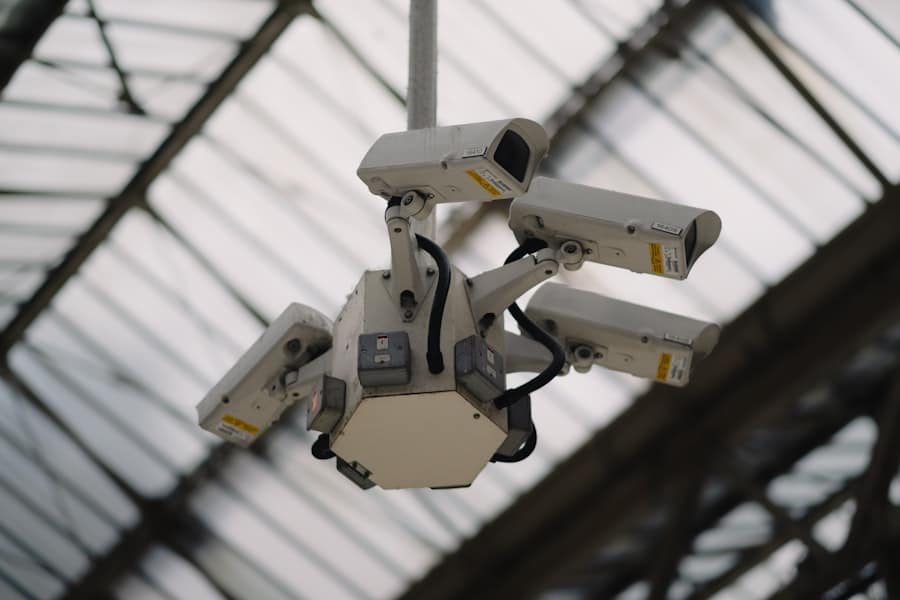
Cost is often a significant factor when choosing a home security system. Prices can vary widely based on the type of system you select, the features included, and whether you opt for professional monitoring or self-monitoring. Basic systems may start at a few hundred dollars, while more advanced setups with multiple cameras and sensors can run into the thousands.
It’s essential to assess not only the initial purchase price but also any ongoing costs associated with monitoring services or equipment maintenance. When comparing costs, consider the long-term value of each system. A lower-priced option may seem appealing initially but could lack essential features or require costly upgrades down the line.
Conversely, investing in a more comprehensive system may provide better protection and peace of mind over time. Additionally, some companies offer financing options or subscription plans that can help spread out costs. By carefully evaluating your budget and weighing the benefits of each system, you can make a choice that aligns with both your financial situation and security needs.
Monitoring Options for Home Security Systems
Monitoring options are a critical aspect of home security systems that can significantly impact their effectiveness. You typically have two primary choices: professional monitoring and self-monitoring. Professional monitoring involves a dedicated team that monitors your system around the clock.
In the event of an alarm trigger, they can quickly assess the situation and contact emergency services if necessary. This option provides an added layer of security, especially if you’re away from home frequently or have concerns about responding to alerts in real-time. On the other hand, self-monitoring allows you to take control of your home’s security without relying on a third party.
With this option, you’ll receive alerts directly on your smartphone or other devices when an alarm is triggered. While this can be empowering and cost-effective, it also requires you to be vigilant and responsive to potential threats. If you’re often away from home or have a busy lifestyle, professional monitoring might be the better choice for ensuring prompt action in emergencies.
DIY vs Professional Installation for Home Security Systems
When it comes to installing a home security system, you generally have two options: DIY installation or professional installation. DIY systems have gained popularity in recent years due to their ease of use and flexibility. Many modern security systems come with user-friendly instructions and pre-configured components that allow you to set everything up yourself without needing specialized skills.
This option can save you money on installation fees and give you the satisfaction of customizing your system according to your preferences. However, professional installation has its advantages as well. If you’re not particularly tech-savvy or if your home has unique layout challenges, hiring a professional can ensure that everything is set up correctly and optimally positioned for maximum effectiveness.
Professionals can also provide valuable insights into the best placement for cameras and sensors based on their experience. Ultimately, the choice between DIY and professional installation will depend on your comfort level with technology and your specific needs regarding security.
Customer Service and Support Comparison for Home Security Systems

Customer service and support are often overlooked aspects when selecting a home security system but can significantly impact your overall experience. A responsive customer service team can make all the difference when you encounter issues with your system or have questions about its operation. Look for companies that offer multiple channels for support—such as phone, email, and live chat—so you can reach out in the way that’s most convenient for you.
Additionally, consider the availability of resources such as online FAQs, user manuals, and troubleshooting guides. A well-designed website with comprehensive support materials can empower you to resolve minor issues independently without needing to contact customer service. Reading customer reviews can also provide insights into how well a company handles support requests and whether they prioritize customer satisfaction.
By choosing a provider known for excellent customer service, you’ll feel more confident in your investment.
Integration with Smart Home Technology
In today’s increasingly connected world, integration with smart home technology is an essential feature to consider when selecting a home security system. Many modern systems are designed to work seamlessly with other smart devices in your home, such as smart locks, lights, thermostats, and voice assistants like Amazon Alexa or Google Assistant. This integration allows you to create a cohesive smart home ecosystem where all devices communicate with each other for enhanced convenience and security.
For instance, imagine arriving home after dark; your smart lights could automatically turn on as you approach the door while your security system disarms itself upon recognizing your smartphone’s presence. Such automation not only enhances your daily life but also adds an extra layer of security by simulating occupancy when you’re away from home. When evaluating different systems, look for compatibility with existing smart devices you own or plan to purchase in the future; this foresight will help ensure that your home remains secure while also being efficient.
Choosing the Best Home Security System for Your Needs
Ultimately, choosing the best home security system for your needs requires careful consideration of various factors discussed throughout this article. Start by assessing your specific security requirements based on factors such as the size of your home, neighborhood crime rates, and personal lifestyle habits. For example, if you travel frequently or spend long hours away from home, investing in a comprehensive system with professional monitoring may be wise.
Next, weigh the features that matter most to you—whether it’s camera quality, sensor types, or smart home integration—and compare different systems based on these criteria. Don’t forget to factor in costs associated with both initial purchases and ongoing monitoring services when making your decision. Finally, take advantage of customer reviews and testimonials to gauge how well each company supports its customers after purchase.
By taking these steps and conducting thorough research, you’ll be well-equipped to select a home security system that not only meets your needs but also provides peace of mind for you and your loved ones. Remember that investing in a reliable security solution is an investment in safety—one that pays dividends in comfort and reassurance every day.
When considering the best home security systems, it’s crucial to understand all aspects of home protection. A related article that offers valuable insights into enhancing your home’s safety is titled “Essential Tips for Home Protection.” This article provides practical advice on securing your home against potential threats, which complements the information on comparing different home security systems. You can read more about these essential tips by visiting Essential Tips for Home Protection. This guide will help you make informed decisions about the security measures that are most suitable for your home.
FAQs
What are home security systems?
Home security systems are a network of integrated electronic devices and sensors designed to detect unauthorized entry into a home or property. These systems can include alarms, surveillance cameras, motion detectors, and more.
How do home security systems work?
Home security systems work by using a combination of sensors and devices to detect and alert homeowners to potential security threats. When a sensor is triggered, such as a motion detector or door/window sensor, the system will send an alert to the homeowner and/or a monitoring center.
What are the benefits of a home security system?
Home security systems provide peace of mind by helping to protect your home and family from intruders. They can also help to deter crime and provide evidence in the event of a break-in. Additionally, many home security systems offer features such as fire and carbon monoxide detection, as well as the ability to monitor and control your home remotely.
What should I consider when comparing home security systems?
When comparing home security systems, it’s important to consider factors such as the type of monitoring (professional vs. self-monitoring), the cost of equipment and monthly monitoring fees, the range of features offered, and the reputation and customer service of the security system provider.
What are some popular home security system providers?
Some popular home security system providers include ADT, Vivint, SimpliSafe, Frontpoint, and Ring. Each provider offers different features, pricing, and levels of service, so it’s important to research and compare them to find the best fit for your needs.


