


In an age where safety and security are paramount, the importance of home security systems cannot be overstated. You may find yourself increasingly concerned about the safety of your home and loved ones, especially with rising crime rates in various areas. A home security system serves as a protective barrier, offering peace of mind and a sense of control over your environment.
By investing in a reliable security system, you can deter potential intruders and safeguard your property against theft, vandalism, and other threats. As you navigate the myriad options available, it’s essential to understand the various components that make up a comprehensive home security system. From alarms and cameras to smart home integration, these systems are designed to provide you with real-time alerts and monitoring capabilities.
The right system can not only protect your physical assets but also enhance your overall quality of life by allowing you to focus on what truly matters—your family and personal well-being.
Key Takeaways
- Home security systems are essential for protecting your home and loved ones from potential threats.
- There are different types of home security systems, including DIY systems, professionally installed systems, and smart home security systems.
- When comparing home security systems, consider features such as video surveillance, motion sensors, and remote access capabilities.
- The cost of home security systems varies based on the type of system and the features included, so it’s important to compare prices and packages.
- The installation process and monitoring services also vary among home security systems, so it’s important to consider these factors when making a decision.
Types of Home Security Systems
When it comes to home security systems, you have a plethora of choices at your disposal. One of the most common types is the traditional wired system, which involves installing physical wires throughout your home to connect various components like sensors and alarms. While these systems are often reliable and less susceptible to interference, they can be cumbersome to install and may require professional assistance.
If you prefer a more flexible option, wireless systems are gaining popularity due to their ease of installation and scalability. You can easily add or remove components as your needs change, making them an attractive choice for many homeowners. Another option worth considering is a smart home security system.
These systems integrate with your existing smart devices, allowing you to control everything from your smartphone or tablet. Imagine being able to monitor your home remotely, receive alerts when someone enters your property, or even control your lights and thermostat—all from the palm of your hand. Smart systems often come equipped with advanced features like facial recognition and motion detection, providing an added layer of security that traditional systems may lack.
As you explore these options, think about what best aligns with your lifestyle and security needs.
Features to Consider When Comparing Home Security Systems
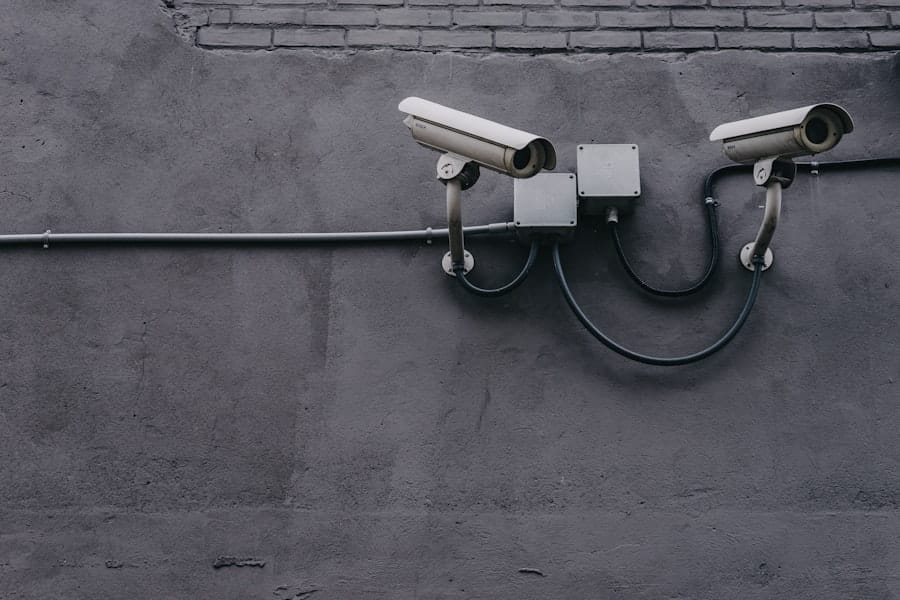
As you delve deeper into the world of home security systems, it’s crucial to consider the features that will best serve your needs. One key feature is the type of sensors included in the system. Motion detectors, door/window sensors, and glass break sensors can all play a vital role in alerting you to potential intrusions.
You should also look for systems that offer video surveillance capabilities. High-definition cameras with night vision can provide you with clear footage of any suspicious activity around your home, allowing you to take appropriate action if necessary. Another important aspect to consider is the level of automation offered by the system.
Many modern security systems allow for smart home integration, enabling you to automate various functions such as locking doors or turning on lights when you’re away. This not only enhances security but also adds convenience to your daily routine. Additionally, consider whether the system offers mobile app access, allowing you to monitor your home in real-time from anywhere in the world.
The more features you have at your disposal, the better equipped you will be to protect your home effectively.
Cost Comparison of Home Security Systems
When evaluating home security systems, cost is undoubtedly a significant factor in your decision-making process. The price of these systems can vary widely based on several factors, including the type of system, features included, and whether professional installation is required. Traditional wired systems may have higher upfront costs due to installation fees and equipment purchases, while wireless systems often offer more budget-friendly options that can be set up without professional help.
In addition to initial costs, it’s essential to consider ongoing expenses such as monitoring fees. Many companies offer monthly monitoring services that can range from $10 to $50 or more, depending on the level of service provided. Some systems may also require additional fees for cloud storage of video footage or advanced features like smart home integration.
As you weigh these costs against the benefits provided by each system, think about what fits within your budget while still meeting your security needs.
Installation Process Comparison
The installation process for home security systems can vary significantly depending on the type of system you choose. For traditional wired systems, you may need to hire a professional installer who can run wires through walls and ceilings, which can be time-consuming and costly. This type of installation often requires drilling holes and may involve some degree of disruption to your home environment.
On the other hand, wireless systems typically offer a more straightforward installation process that you can often complete yourself. Most wireless systems come with easy-to-follow instructions and require minimal tools—if any—making them accessible for those who prefer a DIY approach. This flexibility allows you to set up your system at your convenience without waiting for an installer.
As you consider which option is best for you, think about how much time and effort you’re willing to invest in the installation process.
Monitoring Services Comparison
Monitoring services are a critical component of any home security system, providing real-time alerts and responses in case of emergencies. When comparing monitoring services, consider whether you prefer professional monitoring or self-monitoring options. Professional monitoring typically involves a dedicated team that monitors your system 24/7 and can contact emergency services on your behalf if an alarm is triggered.
This level of service offers peace of mind but often comes with a monthly fee. Self-monitoring options allow you to receive alerts directly on your smartphone or other devices without relying on a third party. While this can save you money on monthly fees, it also places the responsibility of responding to alerts squarely on your shoulders.
You’ll need to be vigilant about checking notifications and taking action if necessary. As you evaluate these options, think about how involved you want to be in monitoring your home’s security and what level of service aligns with your lifestyle.
Customer Reviews and Ratings Comparison
Customer reviews and ratings can provide invaluable insights into the effectiveness and reliability of different home security systems. As you research various options, take the time to read through user experiences and feedback on platforms like review websites or social media forums. Look for patterns in customer satisfaction—are users generally pleased with the performance of the system?
Are there common complaints regarding installation or customer service? Additionally, consider how long customers have been using their systems when evaluating reviews. A product that has consistently received high ratings over several years may indicate reliability and effectiveness compared to newer products that have yet to establish a track record.
By gathering this information, you can make a more informed decision about which home security system will best meet your needs.
Conclusion and Recommendations for Choosing a Home Security System
In conclusion, selecting the right home security system requires careful consideration of various factors including types of systems available, features offered, costs involved, installation processes, monitoring services, and customer feedback. As you embark on this journey toward securing your home, take the time to assess what matters most to you—whether it’s advanced technology, ease of use, or budget constraints. Ultimately, the best home security system is one that aligns with your specific needs and lifestyle while providing peace of mind for you and your family.
By conducting thorough research and weighing all available options, you can confidently choose a system that not only protects your property but also enhances your overall sense of safety at home. Remember that investing in a quality security system is an investment in your peace of mind—one that pays dividends in safety and comfort for years to come.
When considering the best home security systems, it’s also crucial to understand how to actively prevent home invasions. A related article that offers valuable insights into proactive safety measures is “Home Invasion Prevention Strategies for Safety.” This guide provides practical tips and strategies to enhance your home’s security and ensure your family’s safety. For more detailed information, you can read the full article here.
FAQs
What are home security systems?
Home security systems are a network of integrated electronic devices and sensors designed to detect and prevent unauthorized entry into a home.
How do home security systems work?
Home security systems typically include sensors for doors and windows, motion detectors, and a control panel. When a sensor is triggered, the control panel communicates with a monitoring center and/or sends an alert to the homeowner’s smartphone.
What are the benefits of a home security system?
Home security systems provide peace of mind by helping to protect against burglary, fire, and other emergencies. They can also lower homeowners’ insurance premiums and increase the resale value of a home.
What features should I consider when comparing home security systems?
When comparing home security systems, consider factors such as the type of monitoring (professional vs. self-monitoring), the range of sensors and devices offered, the quality of customer service, and the overall cost of the system.
What are the different types of home security systems?
There are several types of home security systems, including traditional wired systems, wireless systems, and DIY systems that can be self-installed.
What are some popular home security system providers?
Some popular home security system providers include ADT, Vivint, SimpliSafe, Frontpoint, and Ring. Each provider offers different features and pricing options, so it’s important to compare them carefully.


